The left side wins on both ends of the flight: a scenic coastal departure over Sydney's southern beaches and national park, and a dramatic hill-and-harbor approach into Wellington, while the right side offers mostly featureless suburb and open strait views.
Flight Path
Open Tasman Sea with no land visible for the bulk of the cruise phase
Great circle distance and headings ›Phase by phase
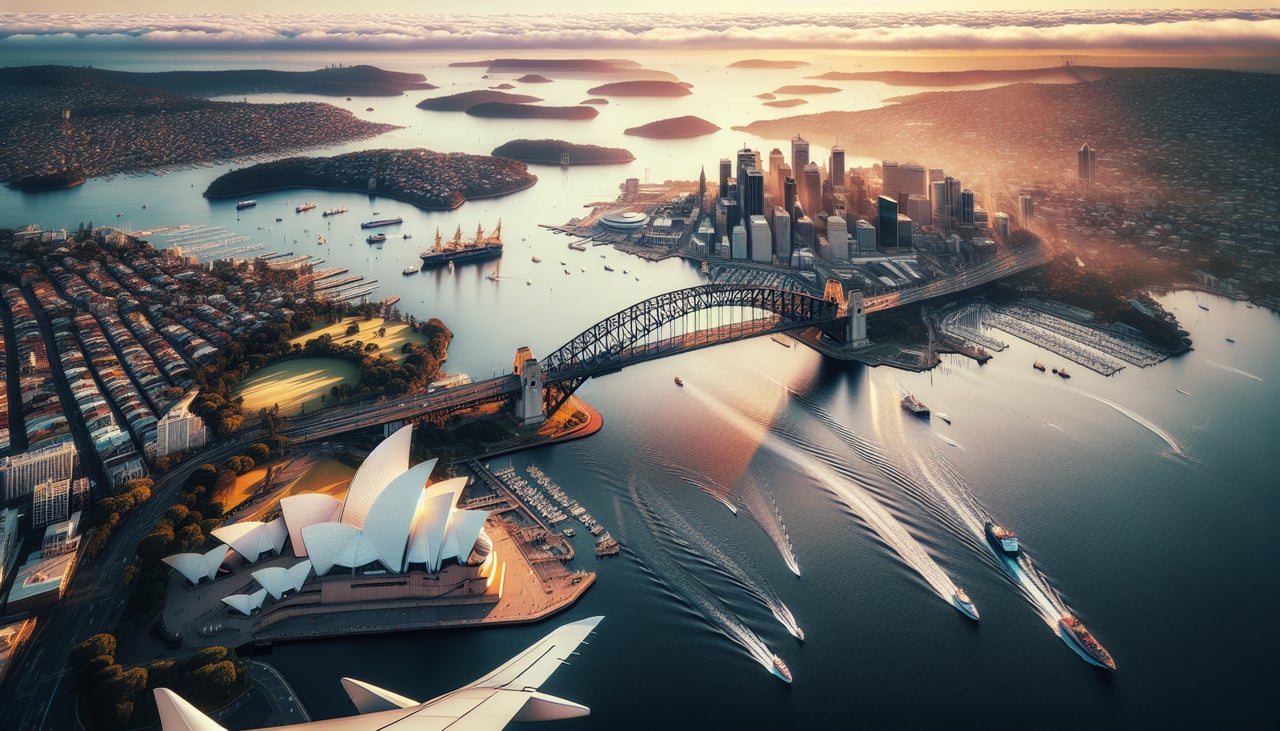
Takeoff from SYD
LEFTSydney's southerly departures track down over Botany Bay and the Cronulla beaches before curving east past the sandstone cliffs of Royal National Park, all visible from the left side. The right side mostly shows flat western suburban sprawl with little visual interest.
Landing at WLG
LEFTOn approach into Wellington, the aircraft typically banks over the harbor's southern hills, giving left-side passengers a close view of the steep green ridgelines, the harbor entrance, and the city clustered along the waterfront just before touchdown. The right side mainly faces open Cook Strait with less immediate terrain detail.
Landmarks on this routeAll landmarks →
Will your flight be in sunlight?
See exactly which side of the plane gets sun and shade at your departure time.
About This Route
Which side of the plane should I sit on flying from Kingsford Smith International Airport (SYD) to Wellington International (WLG)?
Sit on the Left side of the plane for the best views on flights from Sydney to Wellington. The left side wins on both ends of the flight: a scenic coastal departure over Sydney's southern beaches and national park, and a dramatic hill-and-harbor approach into Wellington, while the right side offers mostly featureless suburb and open strait views.
What can I see during takeoff from Kingsford Smith International Airport in Sydney?
During takeoff from Kingsford Smith International Airport (SYD), sit on the Left side for the best views. Sydney's southerly departures track down over Botany Bay and the Cronulla beaches before curving east past the sandstone cliffs of Royal National Park, all visible from the left side. The right side mostly shows flat western suburban sprawl with little visual interest. Notable sights include: Botany Bay, Cronulla beaches, Royal National Park coastline, Port Hacking estuary.
What can I see when landing at Wellington International in Wellington?
When landing at Wellington International (WLG), sit on the Left side for the best views. On approach into Wellington, the aircraft typically banks over the harbor's southern hills, giving left-side passengers a close view of the steep green ridgelines, the harbor entrance, and the city clustered along the waterfront just before touchdown. The right side mainly faces open Cook Strait with less immediate terrain detail. Notable sights include: Wellington Harbour, Miramar Peninsula, Mount Victoria hills, Cook Strait.
How long is the flight from Sydney to Wellington?
The flight from Kingsford Smith International Airport (SYD) to Wellington International (WLG) takes 3h 15m.
What does the Sydney to Wellington flight path pass over?
Open Tasman Sea with no land visible for the bulk of the cruise phase