While the right side wins at Sydney departure, the left side dominates the majority of the flight. Over Southeast Asia the left side tracks the Malay Peninsula and Andaman Sea coastlines, over India it sees the subcontinent interior, and crucially the Alpine arrival into Zurich on the left is one of the most spectacular approaches in commercial aviation. The left side edges it overall.
Flown SYD to ZRH? Did we get it right?
Flight Path
Sydney to Zurich is 10,295 miles (16,568 km), a flight of about 22 hours.
Departing Sydney the route tracks north over the Coral Sea and Indonesia. Over Southeast Asia the flight crosses the South China Sea or Malay Peninsula depending on routing. The Indian subcontinent passes below with the Deccan Plateau and Ganges plain visible. The route then crosses the Arabian Peninsula or Persian Gulf, followed by Turkey and the Balkans before descending into central Europe over the Alps.
Great circle distance and headings ›


Phase by phase
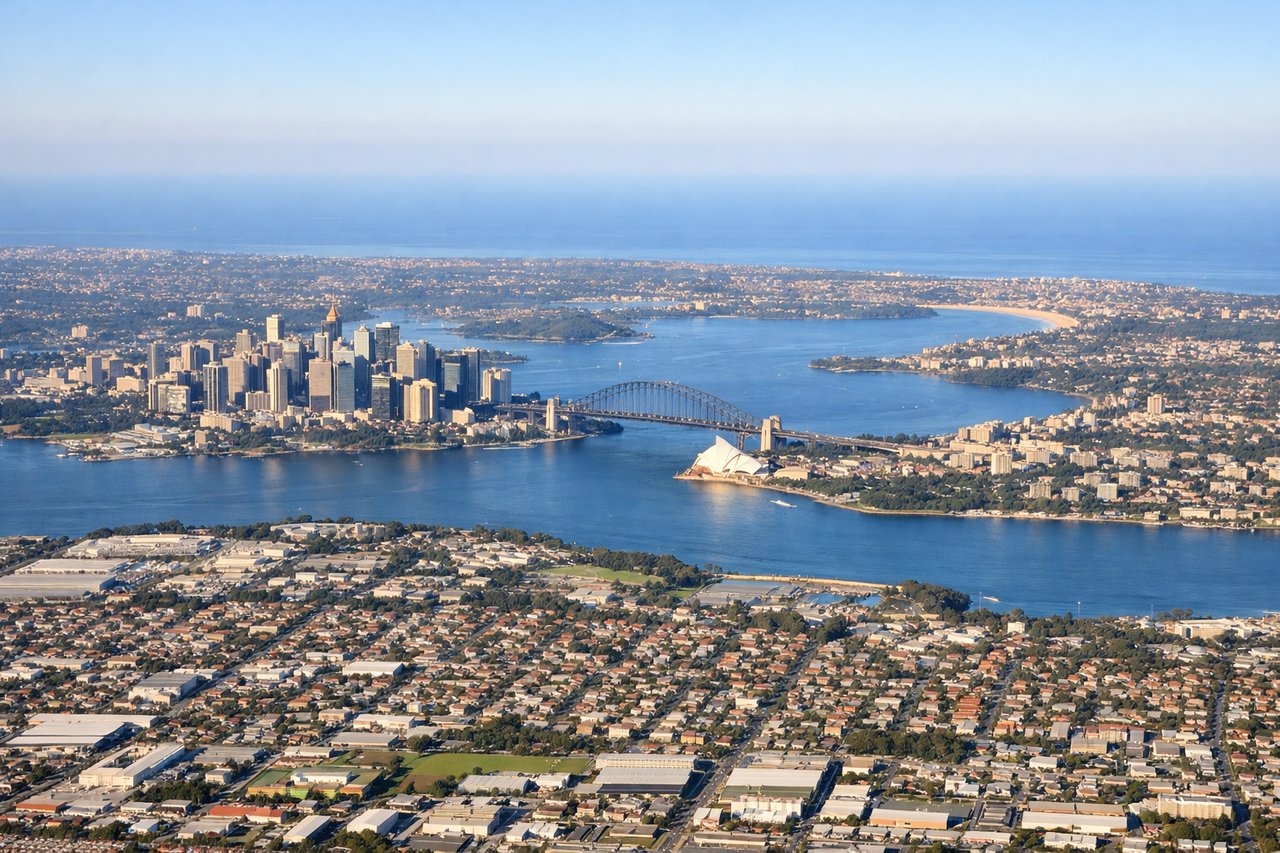
Takeoff from SYD
RIGHTSYD typically departs northward on runway 16R/34L or uses the east-west runways. On a northbound departure toward Asia, the right side gives you Sydney Harbour, the Opera House, and the Harbour Bridge as the aircraft banks left over the city. The eastern suburbs and Bondi Beach are also visible on the right before heading north.
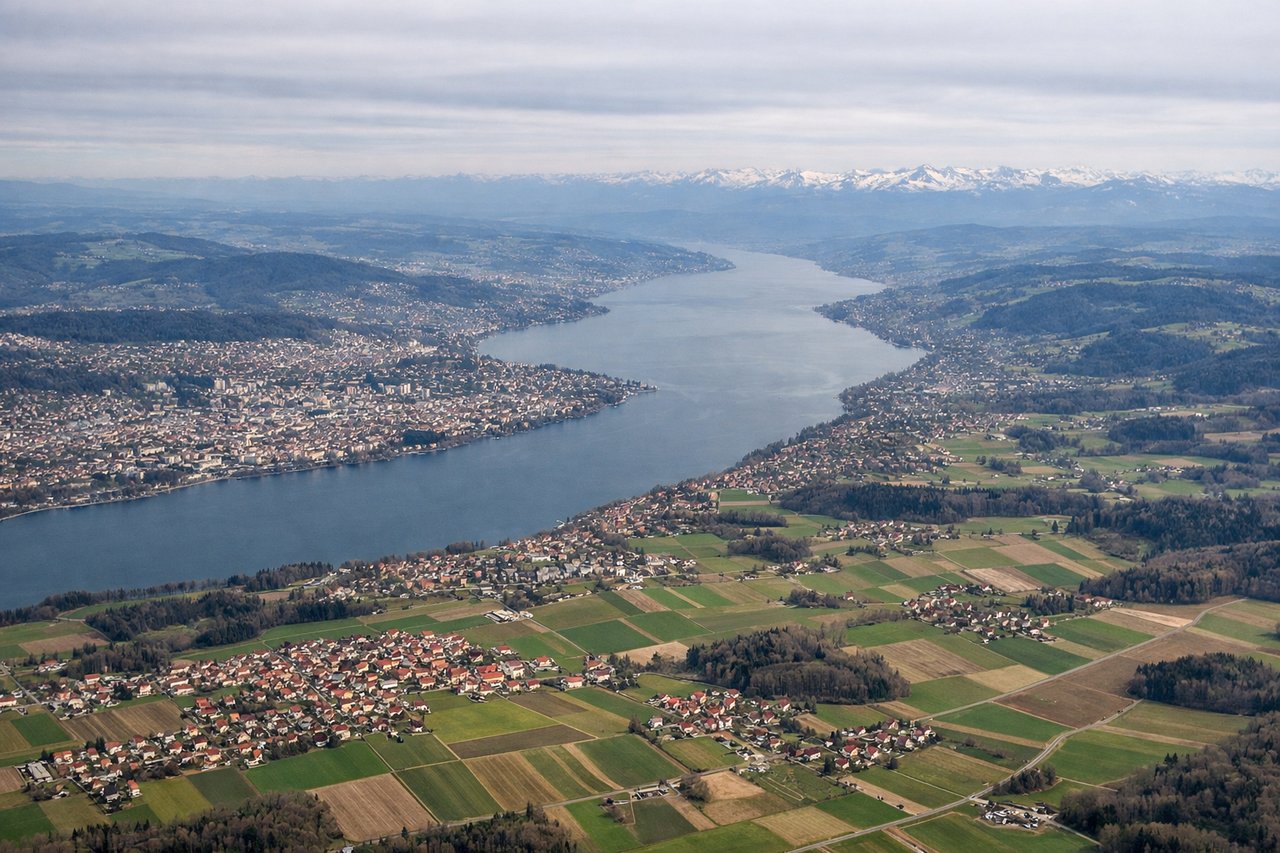
Landing at ZRH
LEFTZRH's main landing approach on runway 14 or 16 brings aircraft in from the north or northeast. The left side gives clear views of Lake Zurich stretching southeast from the city, the Zurich old town, and the Alps rising dramatically to the south including the Glarus Alps and, on clear days, the Bernese Oberland peaks on the horizon.
Will your flight be in sunlight?
Pick a date and time in the Sun Map to watch the sun move across your whole flight.
About This Route
Which side of the plane should I sit on flying from Kingsford Smith International Airport (SYD) to Zurich (ZRH)?
Sit on the Left side of the plane for the best views on flights from Sydney to Zurich. While the right side wins at Sydney departure, the left side dominates the majority of the flight. Over Southeast Asia the left side tracks the Malay Peninsula and Andaman Sea coastlines, over India it sees the subcontinent interior, and crucially the Alpine arrival into Zurich on the left is one of the most spectacular approaches in commercial aviation. The left side edges it overall.
What can I see during takeoff from Kingsford Smith International Airport in Sydney?
During takeoff from Kingsford Smith International Airport (SYD), sit on the Right side for the best views. SYD typically departs northward on runway 16R/34L or uses the east-west runways. On a northbound departure toward Asia, the right side gives you Sydney Harbour, the Opera House, and the Harbour Bridge as the aircraft banks left over the city. The eastern suburbs and Bondi Beach are also visible on the right before heading north. Notable sights include: Sydney Harbour and Harbour Bridge, Sydney Opera House, Bondi Beach, Eastern Suburbs coastline.
What can I see when landing at Zurich in Zurich?
When landing at Zurich (ZRH), sit on the Left side for the best views. ZRH's main landing approach on runway 14 or 16 brings aircraft in from the north or northeast. The left side gives clear views of Lake Zurich stretching southeast from the city, the Zurich old town, and the Alps rising dramatically to the south including the Glarus Alps and, on clear days, the Bernese Oberland peaks on the horizon. Notable sights include: Lake Zurich, Zurich Altstadt (old town), Glarus Alps, Uetliberg ridge.
How long is the flight from Sydney to Zurich?
The flight from Kingsford Smith International Airport (SYD) to Zurich (ZRH) takes about 22 hours. The shortest flight path between them is 10,295 miles (16,568 km); winds and air traffic control usually add a few percent.
What does the Sydney to Zurich flight path pass over?
Departing Sydney the route tracks north over the Coral Sea and Indonesia. Over Southeast Asia the flight crosses the South China Sea or Malay Peninsula depending on routing. The Indian subcontinent passes below with the Deccan Plateau and Ganges plain visible. The route then crosses the Arabian Peninsula or Persian Gulf, followed by Turkey and the Balkans before descending into central Europe over the Alps.