Right-side seats capture the most dramatic scenery: the Seto Inland Sea and Sanuki Mountains during departure are more visually distinctive than the landing approach. While the landing offers urban and industrial interest, the takeoff provides superior natural landscape views.
Flight Path
The flight path crosses the Korea Strait (Tsushima Strait), with the Oki Islands visible to the north during the mid-flight segment. The aircraft maintains altitude over open water for roughly 40-50 minutes before approaching the Korean peninsula. No major landmasses are visible in the direct flight corridor—the crossing is primarily over water with distant island silhouettes on either side of the route.
Great circle distance and headings ›Phase by phase
Takeoff from TAK
RIGHTRight-side seats offer views of the Seto Inland Sea immediately after departure, with the Sanuki Mountains visible to the north. The aircraft climbs northeastward from Takamatsu, making the right side the optimal viewing position for these features.
Landing at ICN
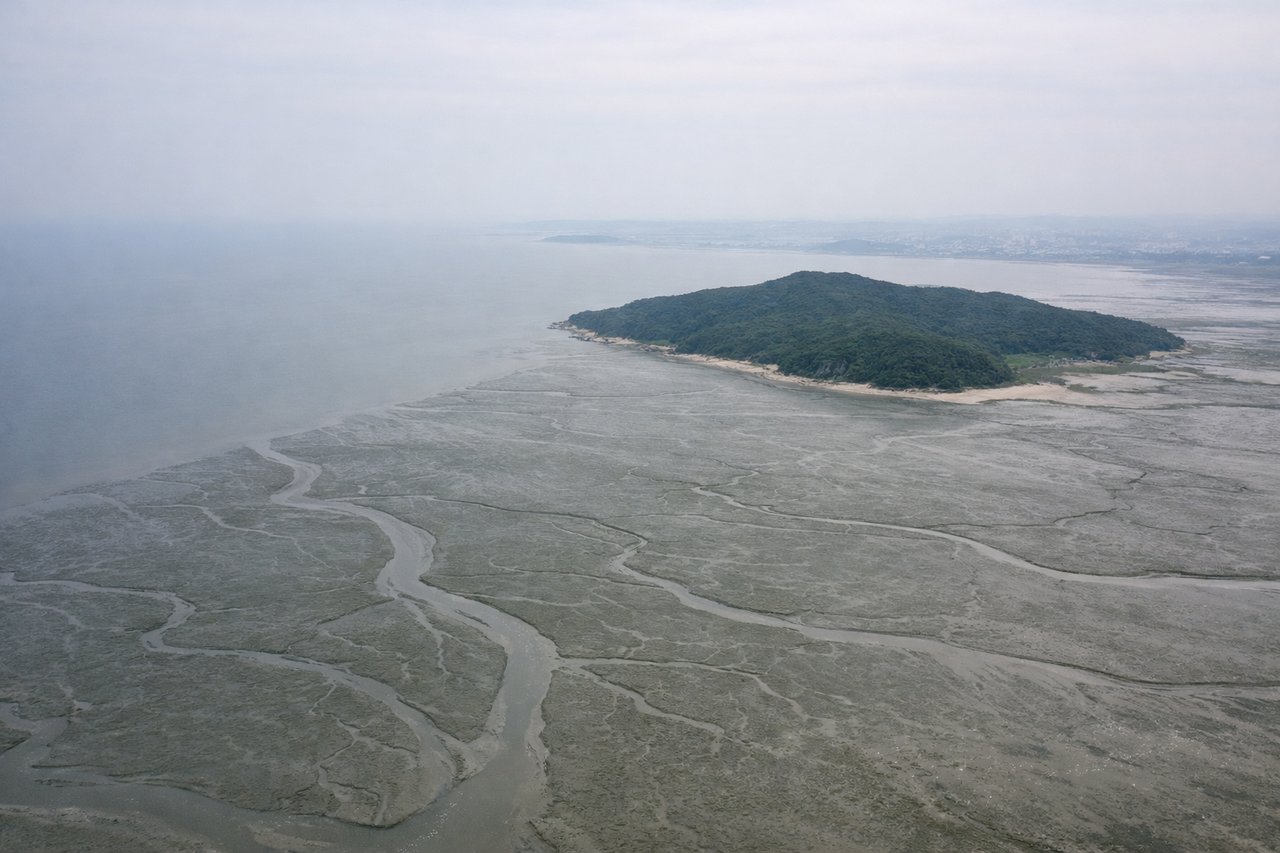
LEFTLeft-side seats provide views of the Han River estuary and Seoul's urban sprawl during descent into Incheon. The approach path from the southwest brings the left side into optimal position for viewing the river, Incheon's industrial zones, and the city's northern districts.
Will your flight be in sunlight?
See exactly which side of the plane gets sun and shade at your departure time.
About This Route
Which side of the plane should I sit on flying from Takamatsu (TAK) to Incheon International (ICN)?
Sit on the Right side of the plane for the best views on flights from Takamatsu to Seoul. Right-side seats capture the most dramatic scenery: the Seto Inland Sea and Sanuki Mountains during departure are more visually distinctive than the landing approach. While the landing offers urban and industrial interest, the takeoff provides superior natural landscape views.
What can I see during takeoff from Takamatsu in Takamatsu?
During takeoff from Takamatsu (TAK), sit on the Right side for the best views. Right-side seats offer views of the Seto Inland Sea immediately after departure, with the Sanuki Mountains visible to the north. The aircraft climbs northeastward from Takamatsu, making the right side the optimal viewing position for these features. Notable sights include: Seto Inland Sea (primary water body), Sanuki Mountains (northern backdrop), Takamatsu city grid (receding below), Shikoku island coastline.
What can I see when landing at Incheon International in Seoul?
When landing at Incheon International (ICN), sit on the Left side for the best views. Left-side seats provide views of the Han River estuary and Seoul's urban sprawl during descent into Incheon. The approach path from the southwest brings the left side into optimal position for viewing the river, Incheon's industrial zones, and the city's northern districts. Notable sights include: Han River estuary (major geographic feature), Incheon industrial complex and port facilities, Seoul metropolitan area (northern horizon), Gyeonggi Bay.
How long is the flight from Takamatsu to Seoul?
The flight from Takamatsu (TAK) to Incheon International (ICN) takes Approximately 90-100 minutes.
What does the Takamatsu to Seoul flight path pass over?
The flight path crosses the Korea Strait (Tsushima Strait), with the Oki Islands visible to the north during the mid-flight segment. The aircraft maintains altitude over open water for roughly 40-50 minutes before approaching the Korean peninsula. No major landmasses are visible in the direct flight corridor—the crossing is primarily over water with distant island silhouettes on either side of the route.