Right-side seats provide superior scenery for the majority of the flight. Takeoff offers immediate mountain views, and the southbound route over Laos and Cambodia provides consistent views of river valleys, forested terrain, and the Mekong River system on the right side during cruise.
Flown TFU to SIN? Did we get it right?
Flight Path
Chengdu to Singapore is 2,001 miles (3,221 km), a flight of about 4 hours 25 minutes.
The flight path crosses the Longquan and Qionglai Mountains southeast of Chengdu, then proceeds over Guizhou Province's karst terrain (visible as distinctive peaked hills), crosses into Laos over the Annamite Range, follows the Mekong River valley southward with Thailand visible to the right (west), passes over Cambodia's central plains, and approaches Singapore from the north over the Gulf of Thailand and Malaysian peninsula.
Great circle distance and headings ›


Phase by phase
Takeoff from TFU
RIGHTRight-side seats capture the Longquan Mountains immediately after departure, with the Chengdu Plain stretching southward. The aircraft climbs southeast initially, so right windows frame the eastern ridge line and the urban sprawl of Chengdu itself.
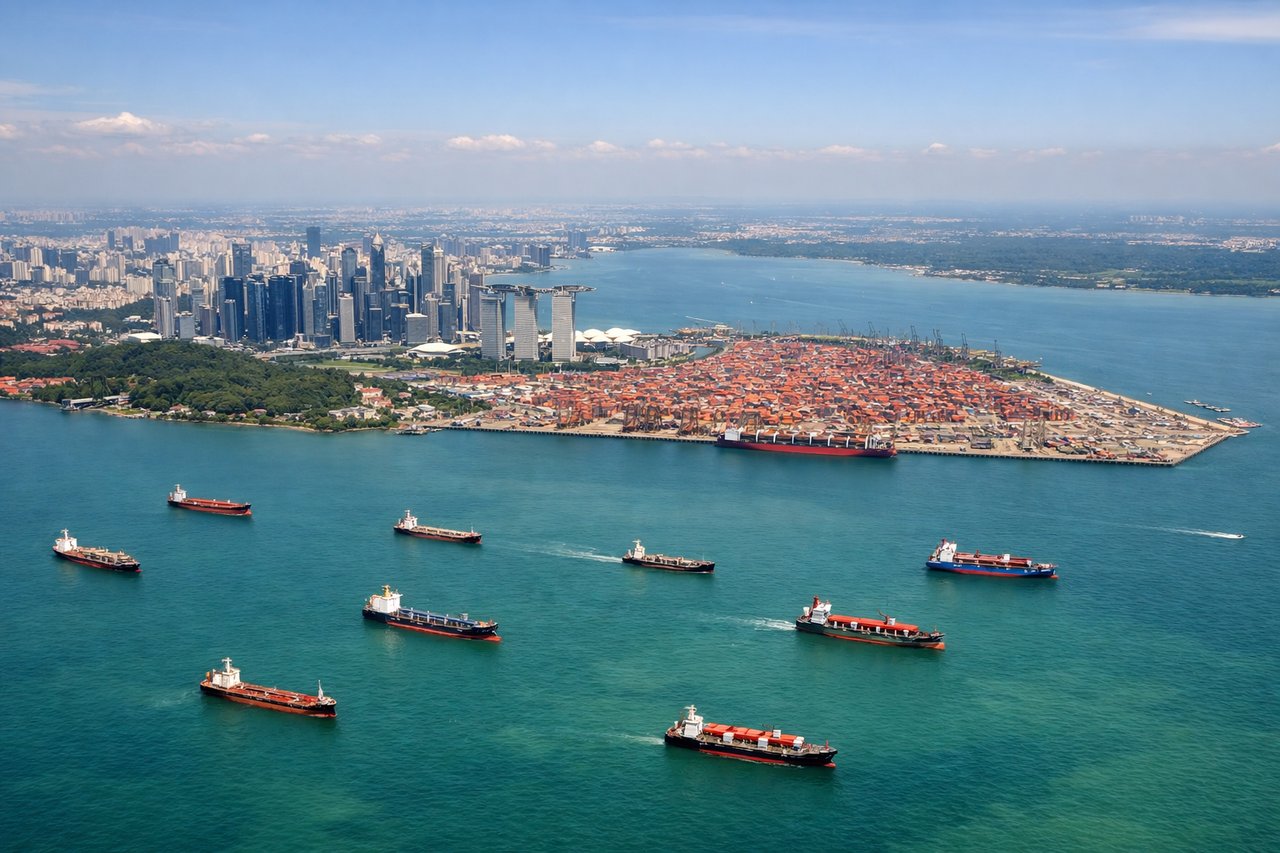
Landing at SIN
LEFTLeft-side seats offer the best views during descent into Singapore Changi. The aircraft approaches from the north over the Johor Strait, and left windows frame the strait itself, the Malaysian coastline, and the final approach over Singapore's northern waters and coastal features.
Will your flight be in sunlight?
Pick a date and time in the Sun Map to watch the sun move across your whole flight.
About This Route
Which side of the plane should I sit on flying from Chengdu Tianfu International Airport (TFU) to Singapore Changi (SIN)?
Sit on the Right side of the plane for the best views on flights from Chengdu to Singapore. Right-side seats provide superior scenery for the majority of the flight. Takeoff offers immediate mountain views, and the southbound route over Laos and Cambodia provides consistent views of river valleys, forested terrain, and the Mekong River system on the right side during cruise.
What can I see during takeoff from Chengdu Tianfu International Airport in Chengdu?
During takeoff from Chengdu Tianfu International Airport (TFU), sit on the Right side for the best views. Right-side seats capture the Longquan Mountains immediately after departure, with the Chengdu Plain stretching southward. The aircraft climbs southeast initially, so right windows frame the eastern ridge line and the urban sprawl of Chengdu itself. Notable sights include: Longquan Mountains (east), Chengdu urban area (west/below), Min River valley (south), Qionglai Mountains (distant south-southeast).
What can I see when landing at Singapore Changi in Singapore?
When landing at Singapore Changi (SIN), sit on the Left side for the best views. Left-side seats offer the best views during descent into Singapore Changi. The aircraft approaches from the north over the Johor Strait, and left windows frame the strait itself, the Malaysian coastline, and the final approach over Singapore's northern waters and coastal features. Notable sights include: Johor Strait (north), Malaysian Johor state coastline (north/left), Singapore's northern coast and reservoirs (center/right), Pulau Ubin and offshore islands (right).
How long is the flight from Chengdu to Singapore?
The flight from Chengdu Tianfu International Airport (TFU) to Singapore Changi (SIN) takes about 4 hours 25 minutes. The shortest flight path between them is 2,001 miles (3,221 km); winds and air traffic control usually add a few percent.
What does the Chengdu to Singapore flight path pass over?
The flight path crosses the Longquan and Qionglai Mountains southeast of Chengdu, then proceeds over Guizhou Province's karst terrain (visible as distinctive peaked hills), crosses into Laos over the Annamite Range, follows the Mekong River valley southward with Thailand visible to the right (west), passes over Cambodia's central plains, and approaches Singapore from the north over the Gulf of Thailand and Malaysian peninsula.