While the left offers excellent Pyrenees views on departure, the right side delivers the more dramatic and concentrated scenic payoff on arrival—Dublin Bay and the Irish coastline are visually striking and occupy a larger portion of the descent. The takeoff scenery, though pleasant, is more gradual and dispersed.
Flown TLS to DUB? Did we get it right?
Flight Path
Toulouse to Dublin is 761 miles (1,224 km), a flight of about 2 hours 15 minutes.
Over the Bay of Biscay and Celtic Sea, you'll cross open water with no major landmarks. The flight path crosses the western coast of France (Brittany region) showing the Atlantic coastline, then proceeds over the Celtic Sea toward Ireland. The Massif Armoricain (Breton highlands) may be visible on the western French coast if conditions permit, but most of the mid-flight is open ocean.
Great circle distance and headings ›Phase by phase
Takeoff from TLS
LEFTLeft side offers views of the Pyrenees mountain range immediately south of Toulouse during climb-out. The aircraft departs northwestward, so the left wing points toward these peaks as you gain altitude.
Landing at DUB
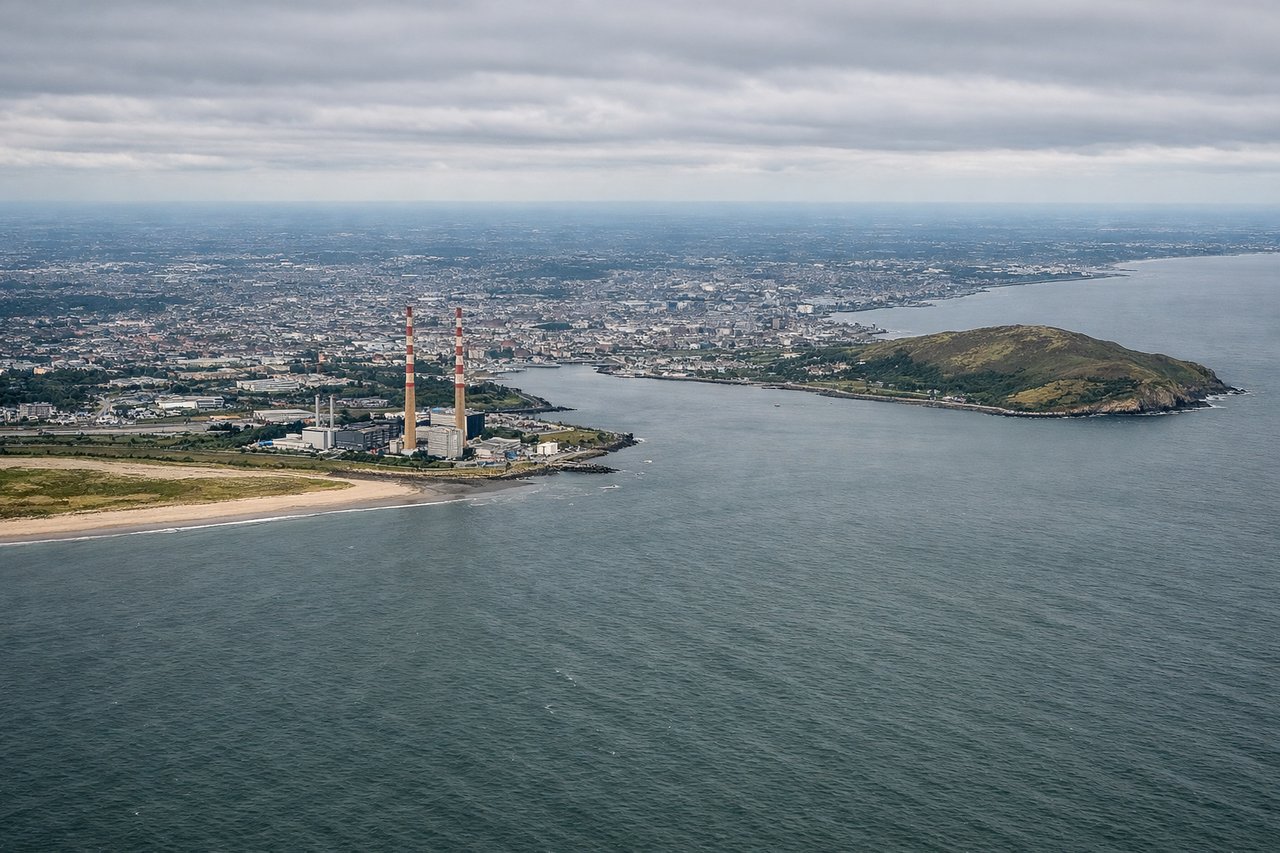
RIGHTRight side provides views of Dublin Bay and the Irish coastline during descent into Dublin. The aircraft approaches from the southeast, so the right wing faces the bay and coastal features as you descend toward Collinstown or the eastern approach.
Will your flight be in sunlight?
Pick a date and time in the Sun Map to watch the sun move across your whole flight.
About This Route
Which side of the plane should I sit on flying from Blagnac (TLS) to Dublin (DUB)?
Sit on the Right side of the plane for the best views on flights from Toulouse to Dublin. While the left offers excellent Pyrenees views on departure, the right side delivers the more dramatic and concentrated scenic payoff on arrival—Dublin Bay and the Irish coastline are visually striking and occupy a larger portion of the descent. The takeoff scenery, though pleasant, is more gradual and dispersed.
What can I see during takeoff from Blagnac in Toulouse?
During takeoff from Blagnac (TLS), sit on the Left side for the best views. Left side offers views of the Pyrenees mountain range immediately south of Toulouse during climb-out. The aircraft departs northwestward, so the left wing points toward these peaks as you gain altitude. Notable sights include: Pyrenees (south), Garonne River valley (below), Toulouse urban sprawl (immediate), foothills of Massif Central (northeast).
What can I see when landing at Dublin in Dublin?
When landing at Dublin (DUB), sit on the Right side for the best views. Right side provides views of Dublin Bay and the Irish coastline during descent into Dublin. The aircraft approaches from the southeast, so the right wing faces the bay and coastal features as you descend toward Collinstown or the eastern approach. Notable sights include: Dublin Bay (prominent), Irish Sea coastline, Wicklow Mountains (south), River Liffey estuary.
How long is the flight from Toulouse to Dublin?
The flight from Blagnac (TLS) to Dublin (DUB) takes about 2 hours 15 minutes. The shortest flight path between them is 761 miles (1,224 km); winds and air traffic control usually add a few percent.
What does the Toulouse to Dublin flight path pass over?
Over the Bay of Biscay and Celtic Sea, you'll cross open water with no major landmarks. The flight path crosses the western coast of France (Brittany region) showing the Atlantic coastline, then proceeds over the Celtic Sea toward Ireland. The Massif Armoricain (Breton highlands) may be visible on the western French coast if conditions permit, but most of the mid-flight is open ocean.