While takeoff favors the right for Mediterranean and Dead Sea views, the landing approach into Malpensa strongly favors the left side for the dramatic Alpine scenery and valley transitions. The Alps are the most visually striking feature of the entire route and dominate the final 90 minutes of flight.
Flown TLV to MXP? Did we get it right?
Flight Path
Tel Aviv to Milano is 1,681 miles (2,706 km), a flight of about 4 hours 15 minutes.
The flight path crosses the Mediterranean, then transitions over Greece (Peloponnese visible on left during cruise), the Ionian Sea, southern Italy (Calabria and Sicily visible on right during cruise), then the Tyrrhenian Sea before climbing toward the Alps. The Apennine Mountains form a north-south spine visible on the right side during the central portion of cruise. The transition from Mediterranean to Alpine terrain occurs roughly 90 minutes before landing, with the Po Valley becoming visible as a flat expanse beneath the rising Alpine foothills.
Great circle distance and headings ›


Phase by phase
Takeoff from TLV
RIGHTRight-side seats capture the Mediterranean coastline and the Dead Sea depression as the aircraft climbs northwestward. Ben Gurion typically departs runways 03/21 or 08/26; northwesterly departures expose the full coastal geography on the right side.
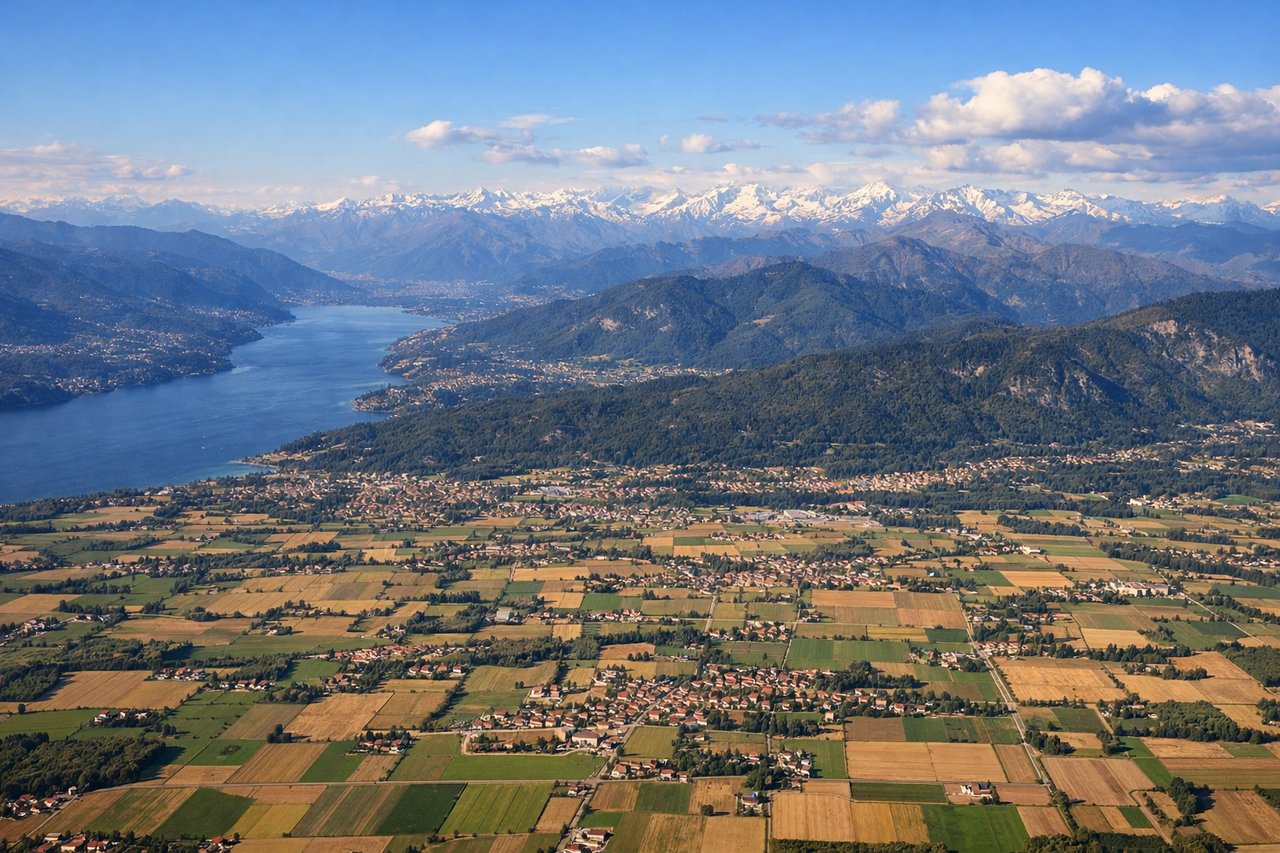
Landing at MXP
LEFTLeft-side seats offer views of the Alps and the Ticino River valley during descent into Malpensa. Typical landing approaches use runways 08L/08R or 35L/35R; easterly approaches align the left side with the Alpine foothills and the dramatic terrain transition from the Po Valley.
Will your flight be in sunlight?
Pick a date and time in the Sun Map to watch the sun move across your whole flight.
About This Route
Which side of the plane should I sit on flying from Ben Gurion (TLV) to Malpensa (MXP)?
Sit on the Left side of the plane for the best views on flights from Tel Aviv to Milano. While takeoff favors the right for Mediterranean and Dead Sea views, the landing approach into Malpensa strongly favors the left side for the dramatic Alpine scenery and valley transitions. The Alps are the most visually striking feature of the entire route and dominate the final 90 minutes of flight.
What can I see during takeoff from Ben Gurion in Tel Aviv?
During takeoff from Ben Gurion (TLV), sit on the Right side for the best views. Right-side seats capture the Mediterranean coastline and the Dead Sea depression as the aircraft climbs northwestward. Ben Gurion typically departs runways 03/21 or 08/26; northwesterly departures expose the full coastal geography on the right side. Notable sights include: Mediterranean Sea (immediate right), Dead Sea depression (southeast, visible as a dark linear feature), Judean Hills (inland, left side), Tel Aviv urban sprawl (below/behind).
What can I see when landing at Malpensa in Milano?
When landing at Malpensa (MXP), sit on the Left side for the best views. Left-side seats offer views of the Alps and the Ticino River valley during descent into Malpensa. Typical landing approaches use runways 08L/08R or 35L/35R; easterly approaches align the left side with the Alpine foothills and the dramatic terrain transition from the Po Valley. Notable sights include: Alps (dominant, left side), Ticino River valley (center-left), Po Valley (right side, flat), Lake Maggiore (left-center, if visible during descent corridor).
How long is the flight from Tel Aviv to Milano?
The flight from Ben Gurion (TLV) to Malpensa (MXP) takes about 4 hours 15 minutes. The shortest flight path between them is 1,681 miles (2,706 km); winds and air traffic control usually add a few percent.
What does the Tel Aviv to Milano flight path pass over?
The flight path crosses the Mediterranean, then transitions over Greece (Peloponnese visible on left during cruise), the Ionian Sea, southern Italy (Calabria and Sicily visible on right during cruise), then the Tyrrhenian Sea before climbing toward the Alps. The Apennine Mountains form a north-south spine visible on the right side during the central portion of cruise. The transition from Mediterranean to Alpine terrain occurs roughly 90 minutes before landing, with the Po Valley becoming visible as a flat expanse beneath the rising Alpine foothills.