While Vienna's departure offers urban and river scenery, the right side captures more dramatic geography during the critical landing phase—Hokkaido's forested terrain, the Ishikari Bay coastline, and Sapporo's urban approach provide greater visual variety and landmark density than the predominantly flat cruise phase visible from either side. The landing experience on the right outweighs the takeoff advantage on the left.
Flown VIE to CTS? Did we get it right?
Flight Path
Vienna to Sapporo is 5,326 miles (8,571 km), a flight of about 11 hours 15 minutes.
The flight crosses the Eurasian landmass over Russia, passing north of the Ural Mountains, across the West Siberian Plain, over the Yenisei River basin, and across central Siberia. At cruise altitude (35,000+ feet), individual landmarks are difficult to distinguish, but the vast boreal forest and tundra landscape dominates. The flight path crosses into the Russian Far East, passing north of Lake Baikal (if visible through weather), and approaches Hokkaido from the northwest over the Sea of Japan. Neither side offers sustained scenic interest during the 8-9 hour cruise phase over Siberia and the Sea of Japan.
Great circle distance and headings ›Phase by phase
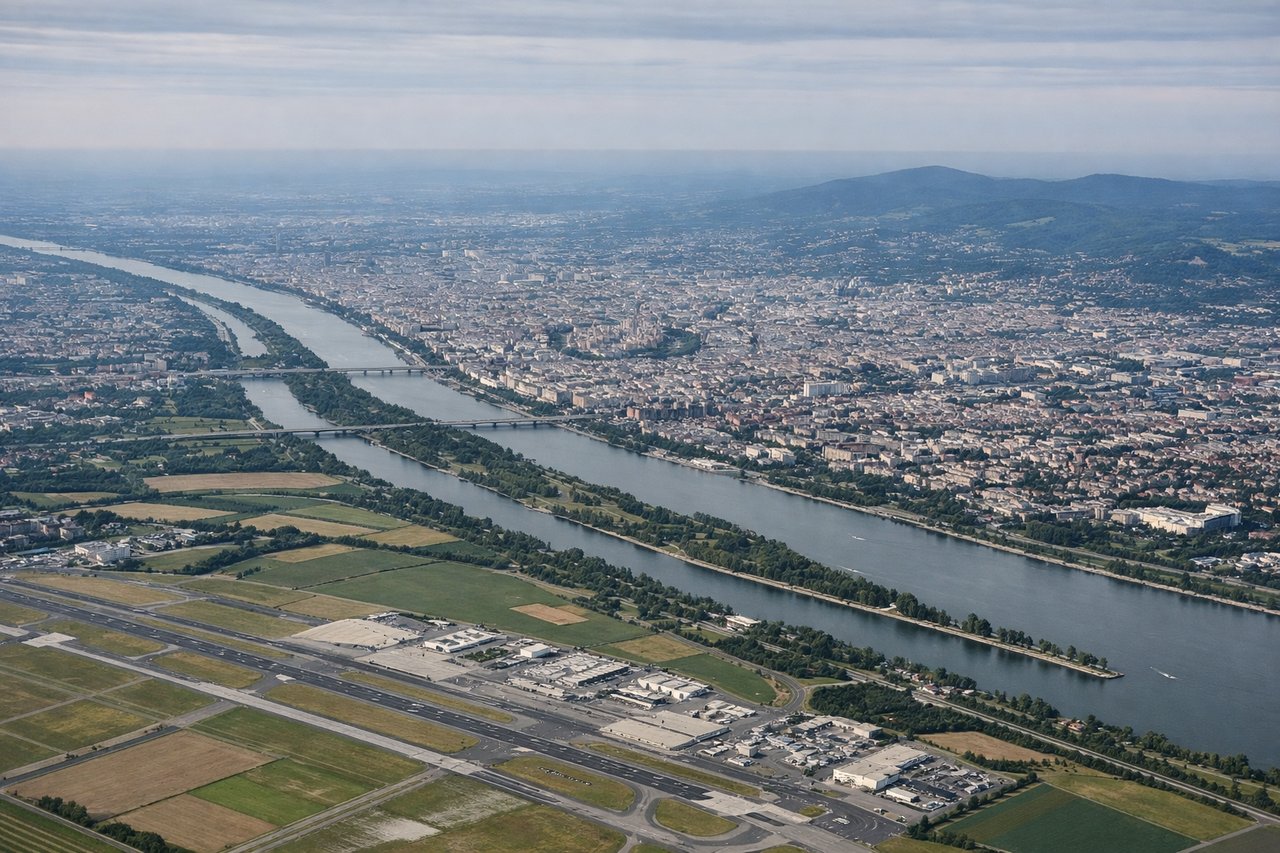
Takeoff from VIE
LEFTVienna's urban sprawl and the Danube River valley are visible during initial climb. The city's distinctive layout along the Danube provides recognizable landmarks during the first 10-15 minutes of flight, particularly if departing on runway 34 (northbound) which climbs over the city center.
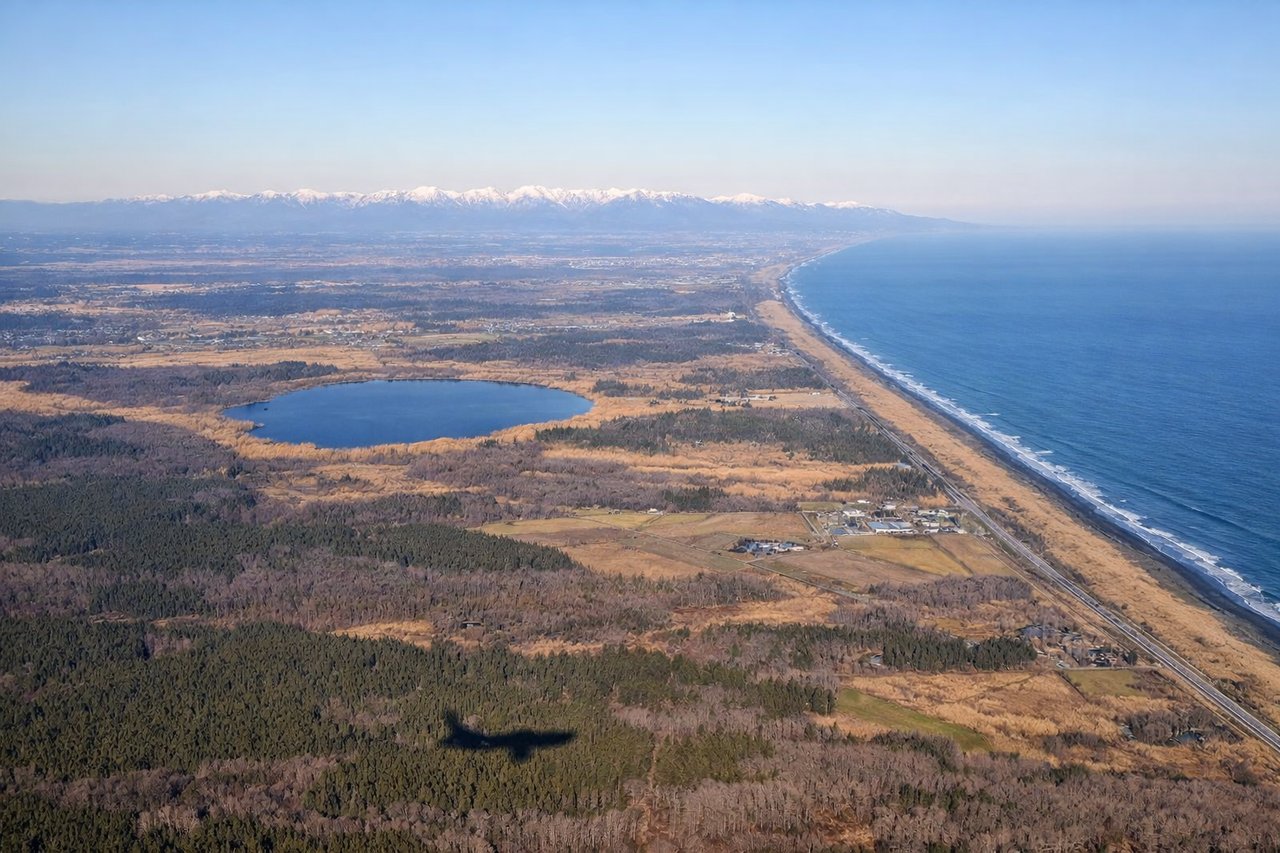
Landing at CTS
RIGHTSapporo's approach typically involves descent over Hokkaido's interior forests and the Ishikari Plain. Right-side passengers see the transition from forested terrain to the urban sprawl of Sapporo and the Ishikari Bay coastline during final approach, particularly on runway 01 operations (northbound landing). The coastal geography and city lights provide more visual interest than the departure side.
Will your flight be in sunlight?
Pick a date and time in the Sun Map to watch the sun move across your whole flight.
About This Route
Which side of the plane should I sit on flying from Schwechat (VIE) to Chitose International Airport (CTS)?
Sit on the Right side of the plane for the best views on flights from Vienna to Sapporo. While Vienna's departure offers urban and river scenery, the right side captures more dramatic geography during the critical landing phase—Hokkaido's forested terrain, the Ishikari Bay coastline, and Sapporo's urban approach provide greater visual variety and landmark density than the predominantly flat cruise phase visible from either side. The landing experience on the right outweighs the takeoff advantage on the left.
What can I see during takeoff from Schwechat in Vienna?
During takeoff from Schwechat (VIE), sit on the Left side for the best views. Vienna's urban sprawl and the Danube River valley are visible during initial climb. The city's distinctive layout along the Danube provides recognizable landmarks during the first 10-15 minutes of flight, particularly if departing on runway 34 (northbound) which climbs over the city center. Notable sights include: Vienna city center and Danube River, Carpathian foothills to the northeast, Pannonian Plain extending eastward.
What can I see when landing at Chitose International Airport in Sapporo?
When landing at Chitose International Airport (CTS), sit on the Right side for the best views. Sapporo's approach typically involves descent over Hokkaido's interior forests and the Ishikari Plain. Right-side passengers see the transition from forested terrain to the urban sprawl of Sapporo and the Ishikari Bay coastline during final approach, particularly on runway 01 operations (northbound landing). The coastal geography and city lights provide more visual interest than the departure side. Notable sights include: Ishikari Bay and coastline, Sapporo urban area, Hokkaido's forested interior, Maruyama area and surrounding hills.
How long is the flight from Vienna to Sapporo?
The flight from Schwechat (VIE) to Chitose International Airport (CTS) takes about 11 hours 15 minutes. The shortest flight path between them is 5,326 miles (8,571 km); winds and air traffic control usually add a few percent.
What does the Vienna to Sapporo flight path pass over?
The flight crosses the Eurasian landmass over Russia, passing north of the Ural Mountains, across the West Siberian Plain, over the Yenisei River basin, and across central Siberia. At cruise altitude (35,000+ feet), individual landmarks are difficult to distinguish, but the vast boreal forest and tundra landscape dominates. The flight path crosses into the Russian Far East, passing north of Lake Baikal (if visible through weather), and approaches Hokkaido from the northwest over the Sea of Japan. Neither side offers sustained scenic interest during the 8-9 hour cruise phase over Siberia and the Sea of Japan.