Valencia to London is 806 miles (1,297 km), a flight of about 2 hours 20 minutes.
The right side offers more variety across the flight: a chance to glimpse the high Pyrenees near the Spain-France border during cruise, plus a distant London skyline view on the Gatwick approach, compared to the left side's mostly flat Spanish plateau and ordinary French farmland.
Flight Path
Ebro river valley, eastern Pyrenees peaks near the Maladeta massif (Aneto), rolling foothills of southern France near Toulouse
Great circle distance and headings ›
.jpeg?width=600)
Phase by phase
Takeoff from VLC
LEFTValencia typically departs on runway 12 into the sea breeze, climbing out over the Mediterranean before banking left to head north. That left turn tips the wing down over Valencia's harbor, beaches, and the distinctive City of Arts and Sciences complex, giving left-side passengers a strong final look at the city and coast.
Landing at LGW
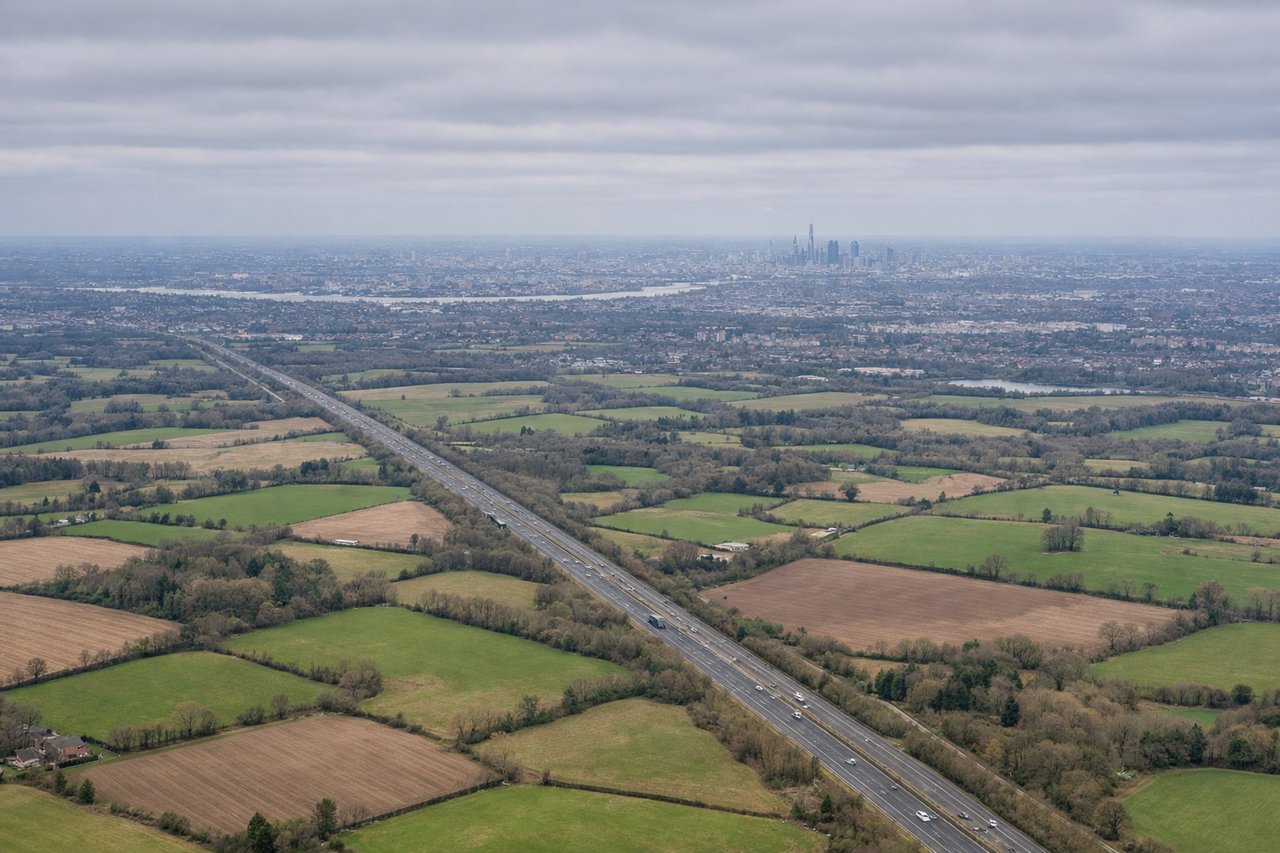
RIGHTGatwick arrivals from the south typically join the approach from the east before turning onto final for runway 26, putting the North Downs and a distant view of the London skyline on the right side of the aircraft during descent.
Landmarks on this routeAll landmarks →
Will your flight be in sunlight?
Pick a date and time in the Sun Map to watch the sun move across your whole flight.
About This Route
Which side of the plane should I sit on flying from Valencia (VLC) to Gatwick (LGW)?
Sit on the Right side of the plane for the best views on flights from Valencia to London. The right side offers more variety across the flight: a chance to glimpse the high Pyrenees near the Spain-France border during cruise, plus a distant London skyline view on the Gatwick approach, compared to the left side's mostly flat Spanish plateau and ordinary French farmland.
What can I see during takeoff from Valencia in Valencia?
During takeoff from Valencia (VLC), sit on the Left side for the best views. Valencia typically departs on runway 12 into the sea breeze, climbing out over the Mediterranean before banking left to head north. That left turn tips the wing down over Valencia's harbor, beaches, and the distinctive City of Arts and Sciences complex, giving left-side passengers a strong final look at the city and coast. Notable sights include: Valencia harbor and container port, Malvarrosa beach, City of Arts and Sciences, Turia riverbed park.
What can I see when landing at Gatwick in London?
When landing at Gatwick (LGW), sit on the Right side for the best views. Gatwick arrivals from the south typically join the approach from the east before turning onto final for runway 26, putting the North Downs and a distant view of the London skyline on the right side of the aircraft during descent. Notable sights include: North Downs ridge, Surrey and Sussex farmland patchwork, distant London skyline (The Shard, Canary Wharf), River Mole valley.
How long is the flight from Valencia to London?
The flight from Valencia (VLC) to Gatwick (LGW) takes about 2 hours 20 minutes. The shortest flight path between them is 806 miles (1,297 km); winds and air traffic control usually add a few percent.
What does the Valencia to London flight path pass over?
Ebro river valley, eastern Pyrenees peaks near the Maladeta massif (Aneto), rolling foothills of southern France near Toulouse