Xiangyang to Seoul is 882 miles (1,419 km), a flight of about 2 hours 15 minutes.
While takeoff on the right offers decent local scenery, the landing approach on the left provides superior views of the Han River estuary and Gyeonggi Bay—the most visually distinctive features of this route. The left side captures the dramatic transition from water and wetlands to the airport.
Flight Path
Yellow Sea (open water body between China and Korea), Shandong Peninsula (visible as a distant landmass to the north during cruise), multiple islands in the Yellow Sea including those near the Korean coast, coastal plains of Shandong Province, transition from Chinese to Korean airspace over open water
Great circle distance and headings ›Phase by phase
Takeoff from XFN
RIGHTRight side offers views of the Han River valley and Xiangyang city sprawl as the aircraft climbs northeastward. The left side faces inland terrain with less distinctive features during initial climb.
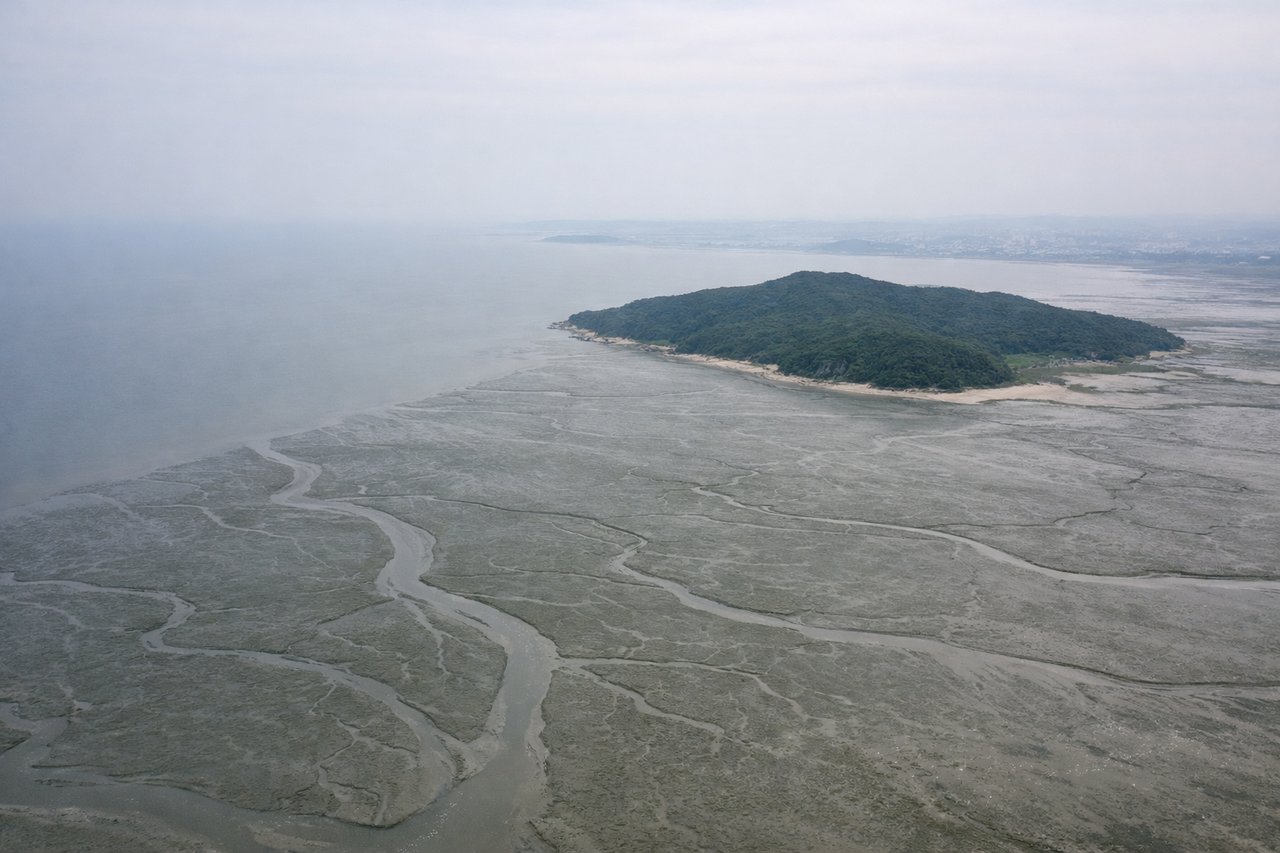
Landing at ICN
LEFTLeft side provides excellent views of the Han River estuary, Gyeonggi Bay, and the approach into Incheon over water and coastal wetlands. Offers the most dramatic scenery during descent into ICN.
Will your flight be in sunlight?
Pick a date and time in the Sun Map to watch the sun move across your whole flight.
About This Route
Which side of the plane should I sit on flying from Xiangyang Liuji Airport (XFN) to Incheon International (ICN)?
Sit on the Left side of the plane for the best views on flights from Xiangyang to Seoul. While takeoff on the right offers decent local scenery, the landing approach on the left provides superior views of the Han River estuary and Gyeonggi Bay—the most visually distinctive features of this route. The left side captures the dramatic transition from water and wetlands to the airport.
What can I see during takeoff from Xiangyang Liuji Airport in Xiangyang?
During takeoff from Xiangyang Liuji Airport (XFN), sit on the Right side for the best views. Right side offers views of the Han River valley and Xiangyang city sprawl as the aircraft climbs northeastward. The left side faces inland terrain with less distinctive features during initial climb. Notable sights include: Han River (visible as a winding ribbon through the valley), Xiangyang urban area (grid of buildings and roads), Tongbai Mountain range (distant peaks to the northwest), agricultural plains of central Hubei Province.
What can I see when landing at Incheon International in Seoul?
When landing at Incheon International (ICN), sit on the Left side for the best views. Left side provides excellent views of the Han River estuary, Gyeonggi Bay, and the approach into Incheon over water and coastal wetlands. Offers the most dramatic scenery during descent into ICN. Notable sights include: Han River estuary (wide tidal mudflats and channels), Gyeonggi Bay (open water body), Incheon's reclaimed land and port facilities, Ganghwa Island (large island visible to the northwest).
How long is the flight from Xiangyang to Seoul?
The flight from Xiangyang Liuji Airport (XFN) to Incheon International (ICN) takes about 2 hours 15 minutes. The shortest flight path between them is 882 miles (1,419 km); winds and air traffic control usually add a few percent.
What does the Xiangyang to Seoul flight path pass over?
Yellow Sea (open water body between China and Korea), Shandong Peninsula (visible as a distant landmass to the north during cruise), multiple islands in the Yellow Sea including those near the Korean coast, coastal plains of Shandong Province, transition from Chinese to Korean airspace over open water