While takeoff offers excellent archipelago views on the right, the landing approach on the left provides more sustained and dramatic scenery—Port Phillip Bay, the Dandenong Ranges, and Melbourne's urban approach are more visually rewarding than the departure climb. Left seats win the overall flight.
Flown XMN to MEL? Did we get it right?
Flight Path
Xiamen to Melbourne is 4,635 miles (7,460 km), a flight of about 8 hours 15 minutes.
The flight path crosses the South China Sea, passing south of the Philippines and east of the Sulu Archipelago. Over open ocean for most of the journey, with the Coral Sea and Great Barrier Reef region visible during the approach to Australia. The Timor Sea crossing offers minimal landmarks but clear water and occasional weather systems. No major mountain ranges or cities are visible during the mid-flight cruise phase—this is predominantly oceanic routing.
Great circle distance and headings ›


Phase by phase
Takeoff from XMN
RIGHTRight-side seats capture the Xiamen archipelago and Taiwan Strait during the initial climb. Gaoqi typically departs eastbound (Runway 06/24 operations favor eastbound departures), so right seats face the island chain and coastal geography immediately after liftoff.
Landing at MEL
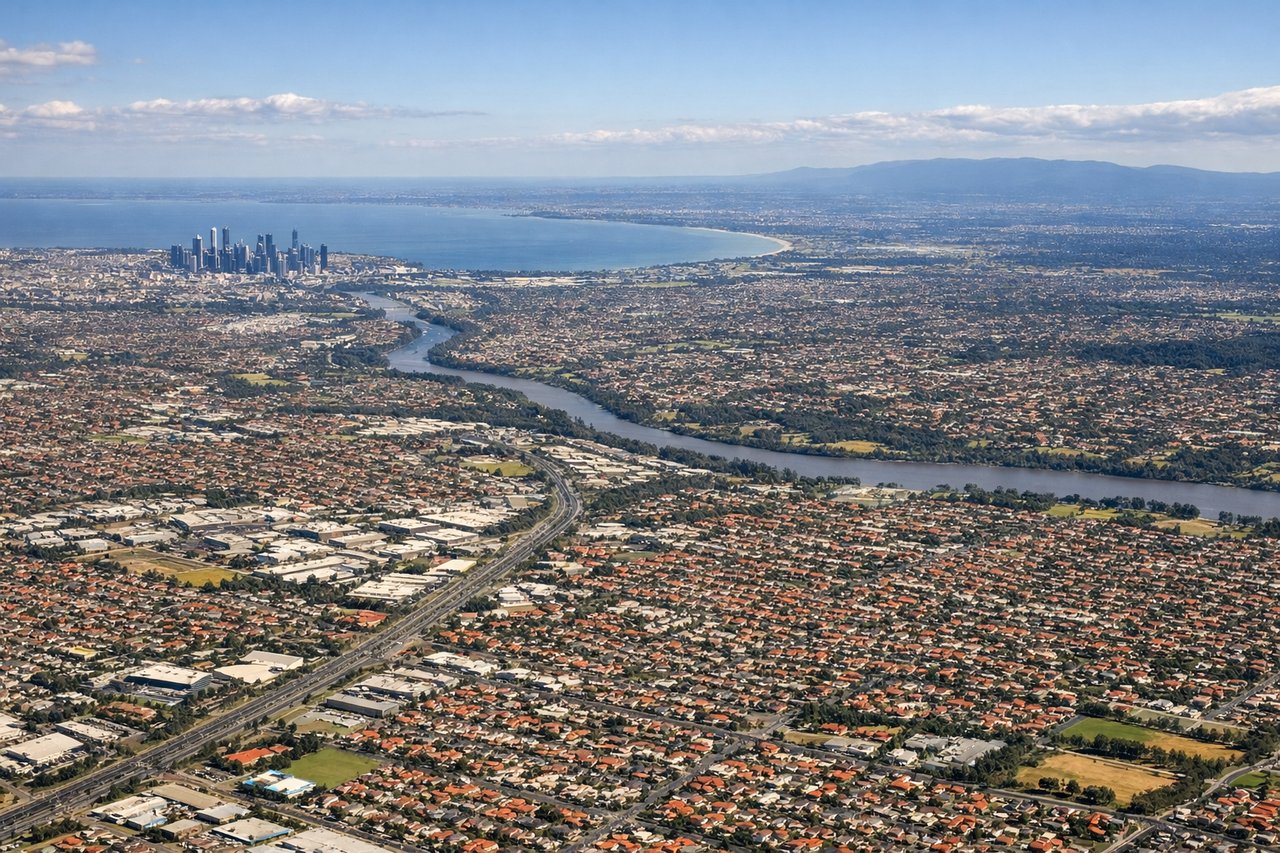
LEFTLeft-side seats offer the best approach views into Melbourne. Aircraft typically land on Runway 27 (westbound approach) or Runway 09 (eastbound), but the dominant approach is from the northwest over Port Phillip Bay. Left seats face the bay, Dandenong Ranges, and the city approach corridor during descent.
Will your flight be in sunlight?
Pick a date and time in the Sun Map to watch the sun move across your whole flight.
About This Route
Which side of the plane should I sit on flying from Gaoqi (XMN) to Melbourne International (MEL)?
Sit on the Left side of the plane for the best views on flights from Xiamen to Melbourne. While takeoff offers excellent archipelago views on the right, the landing approach on the left provides more sustained and dramatic scenery—Port Phillip Bay, the Dandenong Ranges, and Melbourne's urban approach are more visually rewarding than the departure climb. Left seats win the overall flight.
What can I see during takeoff from Gaoqi in Xiamen?
During takeoff from Gaoqi (XMN), sit on the Right side for the best views. Right-side seats capture the Xiamen archipelago and Taiwan Strait during the initial climb. Gaoqi typically departs eastbound (Runway 06/24 operations favor eastbound departures), so right seats face the island chain and coastal geography immediately after liftoff. Notable sights include: Xiamen Island (urban core visible below), Gulangyu Island (small historic island west of main city), Taiwan Strait opening to the northeast, Wuyishan Mountains (distant western horizon).
What can I see when landing at Melbourne International in Melbourne?
When landing at Melbourne International (MEL), sit on the Left side for the best views. Left-side seats offer the best approach views into Melbourne. Aircraft typically land on Runway 27 (westbound approach) or Runway 09 (eastbound), but the dominant approach is from the northwest over Port Phillip Bay. Left seats face the bay, Dandenong Ranges, and the city approach corridor during descent. Notable sights include: Port Phillip Bay (large water body dominating the approach), Dandenong Ranges (forested hills southeast of the city), Melbourne CBD skyline (visible during final approach), Yarra River bends (threading through the urban area).
How long is the flight from Xiamen to Melbourne?
The flight from Gaoqi (XMN) to Melbourne International (MEL) takes about 8 hours 15 minutes. The shortest flight path between them is 4,635 miles (7,460 km); winds and air traffic control usually add a few percent.
What does the Xiamen to Melbourne flight path pass over?
The flight path crosses the South China Sea, passing south of the Philippines and east of the Sulu Archipelago. Over open ocean for most of the journey, with the Coral Sea and Great Barrier Reef region visible during the approach to Australia. The Timor Sea crossing offers minimal landmarks but clear water and occasional weather systems. No major mountain ranges or cities are visible during the mid-flight cruise phase—this is predominantly oceanic routing.