Right side scores marginally higher due to superior takeoff scenery (Lake Simcoe and cottage country provide more visual interest than inland Ontario), though landing views are comparable. The full flight experience slightly favors the right side's departure sequence, offsetting the left side's London approach advantage.
Flown YLK to LHR? Did we get it right?
Flight Path
Barrie to London is 3,509 miles (5,647 km), a flight of about 7 hours 15 minutes.
North Atlantic crossing (5+ hours of open ocean with minimal landmarks); Newfoundland coast (if visible during northern routing); Irish Sea and Wales coastline during descent; Cotswolds and Thames Valley during final approach to London
Great circle distance and headings ›Phase by phase
Takeoff from YLK
RIGHTRight side offers views of Lake Simcoe and surrounding cottage country during initial climb, providing water and landscape variety. Left side faces inland terrain with fewer distinctive features during departure.
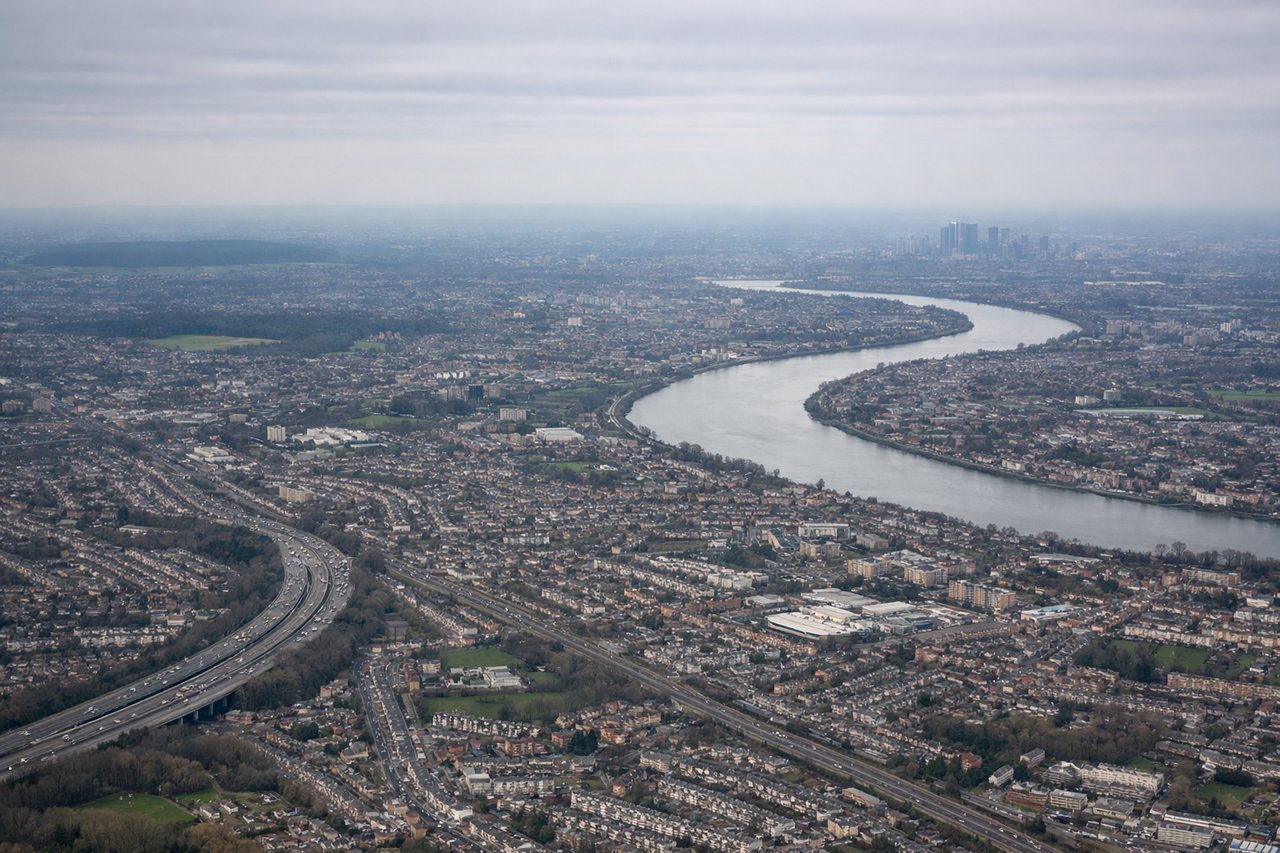
Landing at LHR
LEFTLeft side (north bank approach) provides views of the Thames estuary, Greater London's sprawl, and the distinctive urban landscape during descent and approach to Heathrow. Right side faces the open Atlantic and southern England's less dramatic terrain.
Will your flight be in sunlight?
Pick a date and time in the Sun Map to watch the sun move across your whole flight.
About This Route
Which side of the plane should I sit on flying from Barrie-Lake Simcoe Regional Airport (YLK) to Heathrow (LHR)?
Sit on the Right side of the plane for the best views on flights from Barrie to London. Right side scores marginally higher due to superior takeoff scenery (Lake Simcoe and cottage country provide more visual interest than inland Ontario), though landing views are comparable. The full flight experience slightly favors the right side's departure sequence, offsetting the left side's London approach advantage.
What can I see during takeoff from Barrie-Lake Simcoe Regional Airport in Barrie?
During takeoff from Barrie-Lake Simcoe Regional Airport (YLK), sit on the Right side for the best views. Right side offers views of Lake Simcoe and surrounding cottage country during initial climb, providing water and landscape variety. Left side faces inland terrain with fewer distinctive features during departure. Notable sights include: Lake Simcoe, Barrie urban area, Georgian Bay (distant), Muskoka cottage region.
What can I see when landing at Heathrow in London?
When landing at Heathrow (LHR), sit on the Left side for the best views. Left side (north bank approach) provides views of the Thames estuary, Greater London's sprawl, and the distinctive urban landscape during descent and approach to Heathrow. Right side faces the open Atlantic and southern England's less dramatic terrain. Notable sights include: Thames estuary, Greater London urban area, Windsor Castle region, Heathrow's western approach corridor.
How long is the flight from Barrie to London?
The flight from Barrie-Lake Simcoe Regional Airport (YLK) to Heathrow (LHR) takes about 7 hours 15 minutes. The shortest flight path between them is 3,509 miles (5,647 km); winds and air traffic control usually add a few percent.
What does the Barrie to London flight path pass over?
North Atlantic crossing (5+ hours of open ocean with minimal landmarks); Newfoundland coast (if visible during northern routing); Irish Sea and Wales coastline during descent; Cotswolds and Thames Valley during final approach to London