While Montreal's takeoff offers good urban and river scenery, Glasgow's landing dominates the flight experience. The approach over the Firth of Clyde, Isle of Arran, and Scottish coastline provides far more dramatic and varied terrain than the right side's departure over flat Ontario farmland. The landing scenery (3.5) outweighs the takeoff advantage (2.5 vs 1.5), making the right side the clear winner for the full flight.
Flown YUL to GLA? Did we get it right?
Flight Path
Montreal to Glasgow is 2,984 miles (4,802 km), a flight of about 6 hours 45 minutes.
Transatlantic crossing over the North Atlantic with no visible landmarks for approximately 4 hours. The flight path crosses the southern tip of Greenland's ice sheet (visible as white expanse if conditions permit, typically around 3-4 hours into flight), then transitions to the North Atlantic proper. As the aircraft approaches European airspace (final 1.5-2 hours), the Hebrides and Scottish Highlands become visible on the left side during descent, with the Outer Hebrides appearing as a chain of islands off Scotland's northwest coast. The Firth of Clyde and Ayrshire coast emerge clearly during the final 30 minutes of descent.
Great circle distance and headings ›

Phase by phase
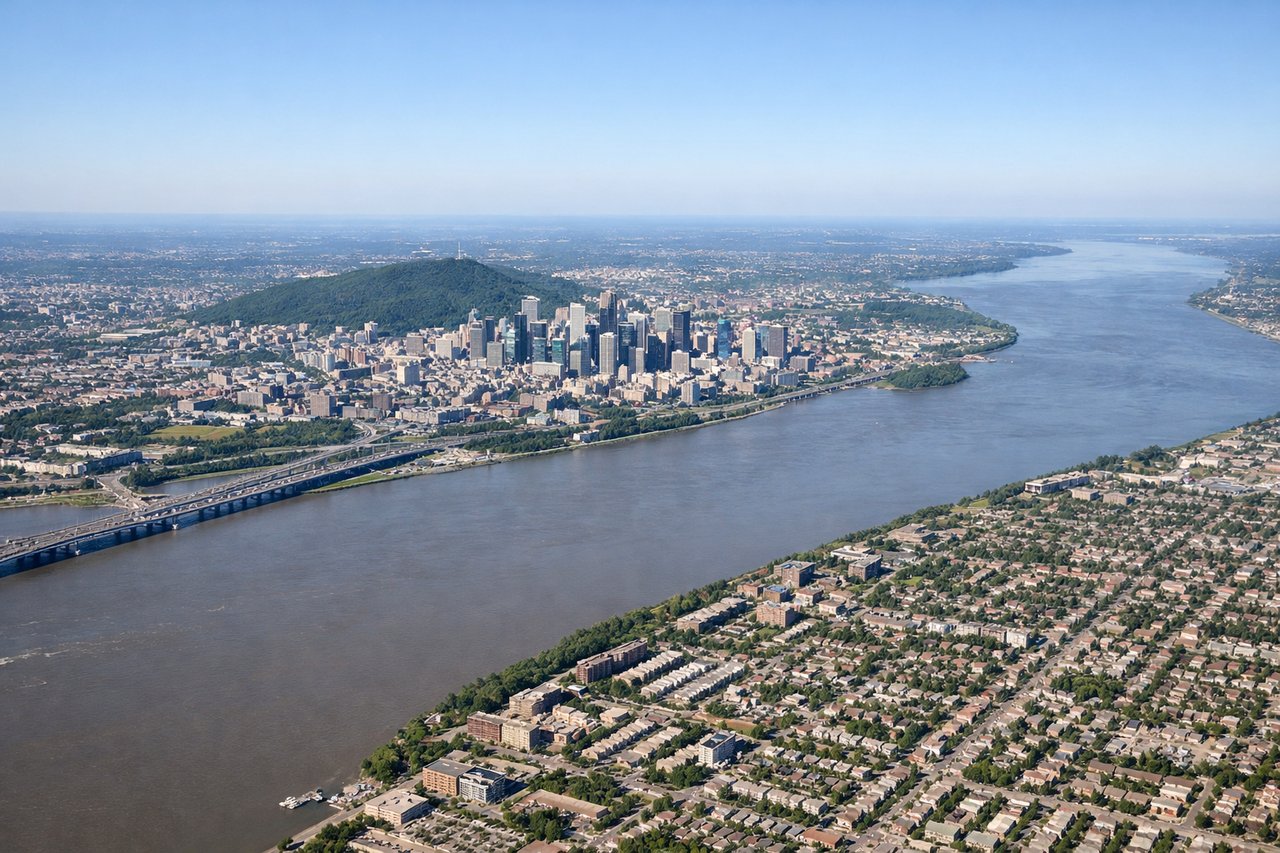
Takeoff from YUL
LEFTMontreal's urban sprawl and the St. Lawrence River valley provide immediate visual interest during climb-out. The left side captures the city's eastern neighborhoods, the river's broad expanse, and the Laurentian foothills rising to the north—a more dramatic departure than the flat terrain to the right.
Landing at GLA
RIGHTThe right side offers superior approach scenery into Glasgow. Descending over the Firth of Clyde and the Scottish coast reveals dramatic water features, coastal towns, and the transition from open water to urban Glasgow. The left side sees only inland Scottish moorland and farmland—visually flat and monotonous.
Will your flight be in sunlight?
Pick a date and time in the Sun Map to watch the sun move across your whole flight.
About This Route
Which side of the plane should I sit on flying from Montreal International Dorval (YUL) to Glasgow (GLA)?
Sit on the Right side of the plane for the best views on flights from Montreal to Glasgow. While Montreal's takeoff offers good urban and river scenery, Glasgow's landing dominates the flight experience. The approach over the Firth of Clyde, Isle of Arran, and Scottish coastline provides far more dramatic and varied terrain than the right side's departure over flat Ontario farmland. The landing scenery (3.5) outweighs the takeoff advantage (2.5 vs 1.5), making the right side the clear winner for the full flight.
What can I see during takeoff from Montreal International Dorval in Montreal?
During takeoff from Montreal International Dorval (YUL), sit on the Left side for the best views. Montreal's urban sprawl and the St. Lawrence River valley provide immediate visual interest during climb-out. The left side captures the city's eastern neighborhoods, the river's broad expanse, and the Laurentian foothills rising to the north—a more dramatic departure than the flat terrain to the right. Notable sights include: St. Lawrence River (wide, meandering), Montreal city grid and downtown core, Laurentian Mountains (northern horizon), Île-Jésus (Laval) to the north.
What can I see when landing at Glasgow in Glasgow?
When landing at Glasgow (GLA), sit on the Right side for the best views. The right side offers superior approach scenery into Glasgow. Descending over the Firth of Clyde and the Scottish coast reveals dramatic water features, coastal towns, and the transition from open water to urban Glasgow. The left side sees only inland Scottish moorland and farmland—visually flat and monotonous. Notable sights include: Firth of Clyde (wide estuary), Isle of Arran (mountainous island to the southwest), Ayrshire coastline, Glasgow city sprawl and River Clyde.
How long is the flight from Montreal to Glasgow?
The flight from Montreal International Dorval (YUL) to Glasgow (GLA) takes about 6 hours 45 minutes. The shortest flight path between them is 2,984 miles (4,802 km); winds and air traffic control usually add a few percent.
What does the Montreal to Glasgow flight path pass over?
Transatlantic crossing over the North Atlantic with no visible landmarks for approximately 4 hours. The flight path crosses the southern tip of Greenland's ice sheet (visible as white expanse if conditions permit, typically around 3-4 hours into flight), then transitions to the North Atlantic proper. As the aircraft approaches European airspace (final 1.5-2 hours), the Hebrides and Scottish Highlands become visible on the left side during descent, with the Outer Hebrides appearing as a chain of islands off Scotland's northwest coast. The Firth of Clyde and Ayrshire coast emerge clearly during the final 30 minutes of descent.