While the takeoff offers good views of the St. Lawrence and Laurentians, the landing approach into Athens provides more dramatic and varied scenery—the Saronic Gulf, Hymettus Mountains, and the sprawling Mediterranean city create a more visually compelling final descent. Right seats capture this better.
Flown YUL to ATH? Did we get it right?
Flight Path
Montreal to Athens is 4,742 miles (7,632 km), a flight of about 10 hours.
The flight path crosses the Atlantic Ocean (minimal visual interest), then passes over the British Isles and continental Europe. Notable features include the Alps (visible from cruising altitude as a snow-capped ridge if flying a southern route), the Balkans, and the Adriatic Sea. The aircraft typically crosses over southern Italy or the Ionian Sea before reaching Greece. The Apennine Mountains and Balkans provide the most distinctive terrain during the transatlantic and European portions of the flight.
Great circle distance and headings ›


Phase by phase
Takeoff from YUL
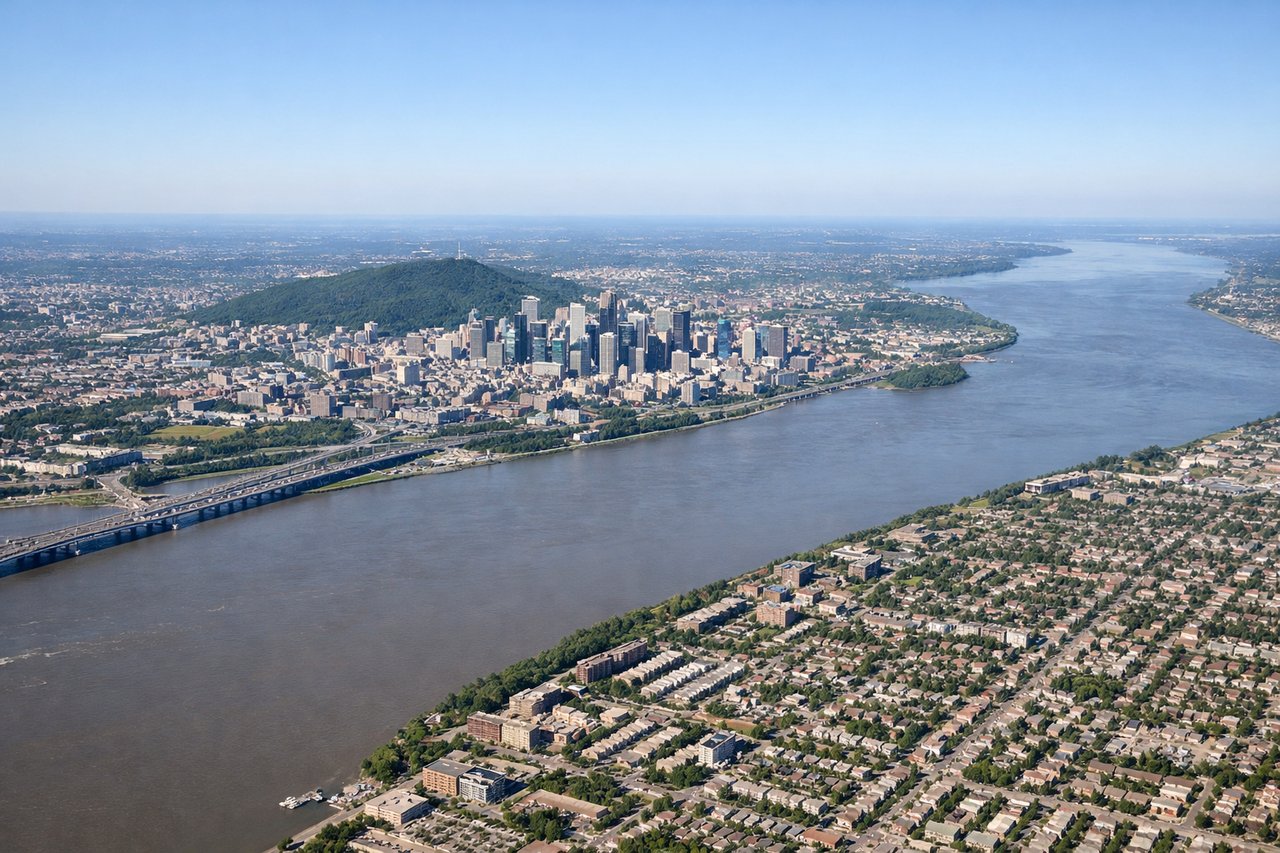
LEFTLeft seats offer views of the St. Lawrence River and the Laurentian Mountains as the aircraft climbs northeastward out of Montreal. The river's distinctive curves and the forested ridge of the Laurentians provide clear visual reference points during the initial climb.
Landing at ATH
RIGHTRight seats provide views of the Attica region's distinctive geography during descent into Athens. The Saronic Gulf, Hymettus Mountains, and the urban sprawl of Athens and Piraeus are all visible on the right side as the aircraft approaches from the northwest.
Will your flight be in sunlight?
Pick a date and time in the Sun Map to watch the sun move across your whole flight.
About This Route
Which side of the plane should I sit on flying from Montreal International Dorval (YUL) to Athens International Eleftherios Venizelos (ATH)?
Sit on the Right side of the plane for the best views on flights from Montreal to Athens. While the takeoff offers good views of the St. Lawrence and Laurentians, the landing approach into Athens provides more dramatic and varied scenery—the Saronic Gulf, Hymettus Mountains, and the sprawling Mediterranean city create a more visually compelling final descent. Right seats capture this better.
What can I see during takeoff from Montreal International Dorval in Montreal?
During takeoff from Montreal International Dorval (YUL), sit on the Left side for the best views. Left seats offer views of the St. Lawrence River and the Laurentian Mountains as the aircraft climbs northeastward out of Montreal. The river's distinctive curves and the forested ridge of the Laurentians provide clear visual reference points during the initial climb. Notable sights include: St. Lawrence River, Laurentian Mountains, Montreal urban sprawl, Île-Perrot.
What can I see when landing at Athens International Eleftherios Venizelos in Athens?
When landing at Athens International Eleftherios Venizelos (ATH), sit on the Right side for the best views. Right seats provide views of the Attica region's distinctive geography during descent into Athens. The Saronic Gulf, Hymettus Mountains, and the urban sprawl of Athens and Piraeus are all visible on the right side as the aircraft approaches from the northwest. Notable sights include: Saronic Gulf, Hymettus Mountains, Athens metropolitan area, Piraeus port.
How long is the flight from Montreal to Athens?
The flight from Montreal International Dorval (YUL) to Athens International Eleftherios Venizelos (ATH) takes about 10 hours. The shortest flight path between them is 4,742 miles (7,632 km); winds and air traffic control usually add a few percent.
What does the Montreal to Athens flight path pass over?
The flight path crosses the Atlantic Ocean (minimal visual interest), then passes over the British Isles and continental Europe. Notable features include the Alps (visible from cruising altitude as a snow-capped ridge if flying a southern route), the Balkans, and the Adriatic Sea. The aircraft typically crosses over southern Italy or the Ionian Sea before reaching Greece. The Apennine Mountains and Balkans provide the most distinctive terrain during the transatlantic and European portions of the flight.