The right side holds the edge because the long cruise segment tracks a polar great-circle path across Hudson Bay, the Canadian Arctic islands, and the Bering Strait region, offering dramatic ice-covered coastlines and tundra that the mostly open-ocean left side lacks for much of the flight.
Flown YUL to ICN? Did we get it right?
Flight Path
Montreal to Seoul is 6,570 miles (10,574 km), a flight of about 13 hours 50 minutes.
The route's midpoint falls over the Arctic Ocean near the Chukchi Sea and Bering Strait, passing north of Alaska and within sight of pack ice, Wrangel Island, and the northeastern Siberian coastline before the long Pacific crossing toward Japan and Korea.
Great circle distance and headings ›Phase by phase
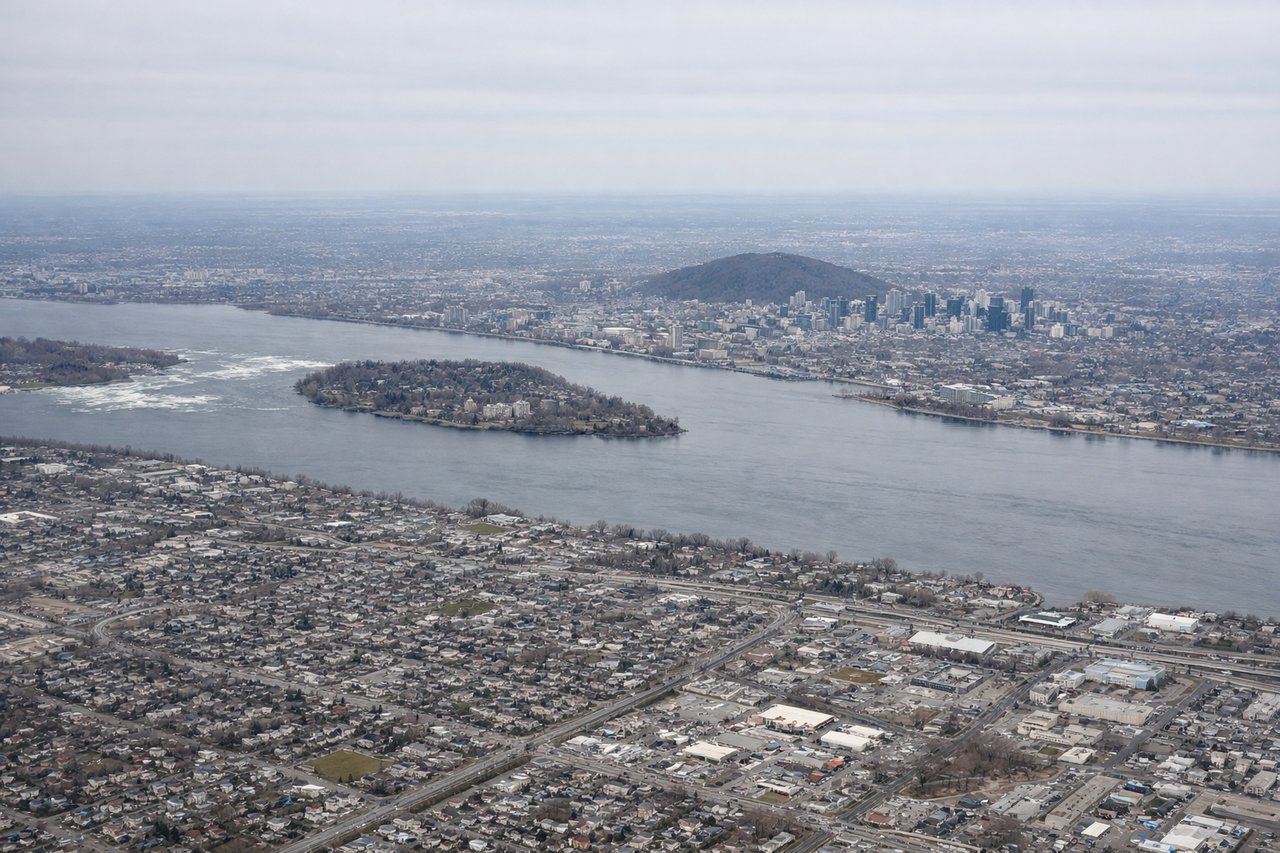
Takeoff from YUL
RIGHTDeparting YUL on runway 24 the aircraft climbs southwest over the South Shore, then banks right (north) to begin the long polar routing toward Asia. That right-hand turn puts Montreal's downtown skyline, Mount Royal, and the St. Lawrence River directly beneath the right-side windows.
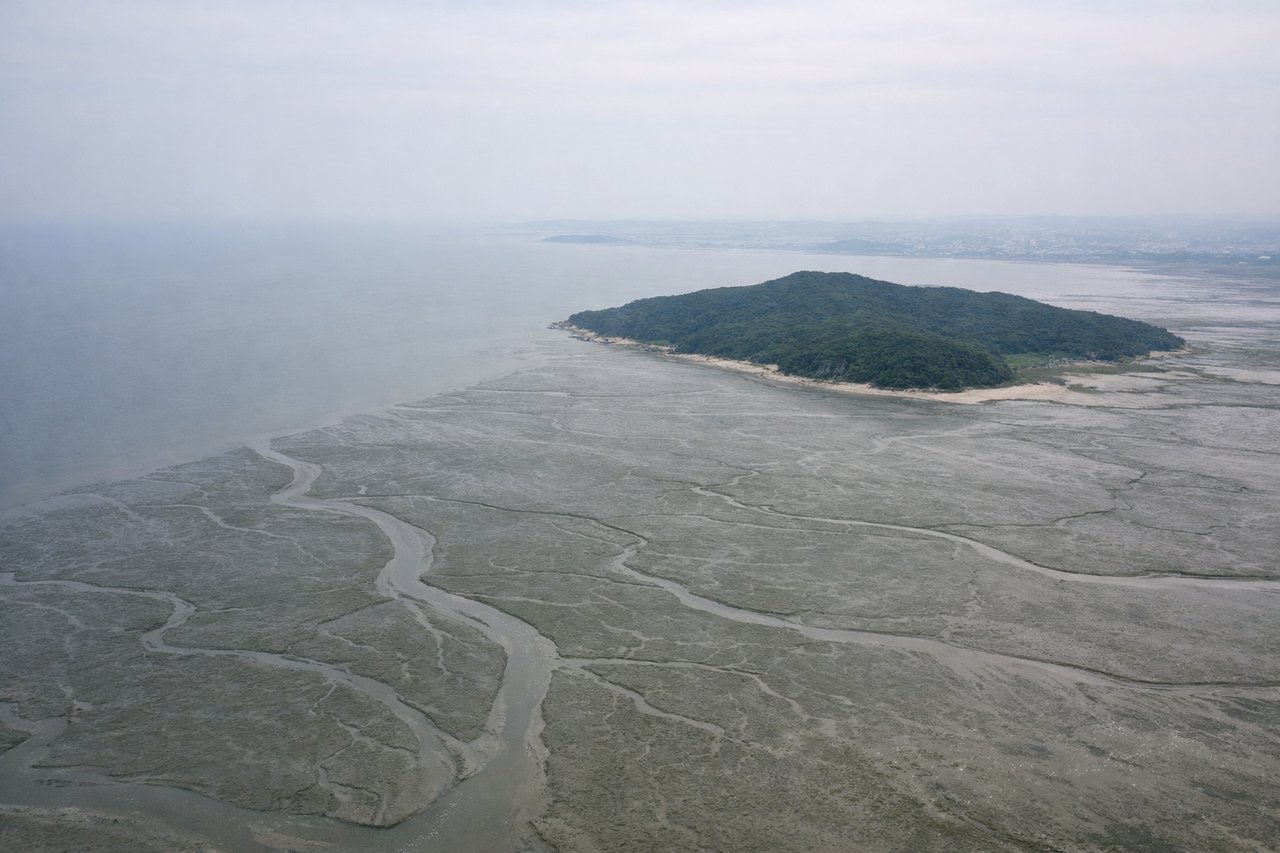
Landing at ICN
LEFTOn approach into ICN, arriving flights from the north Pacific typically curve south past Seoul before turning back for final approach, putting the Seoul skyline and Han River on the left side as the aircraft descends toward Incheon's reclaimed coastal runways.
Will your flight be in sunlight?
Pick a date and time in the Sun Map to watch the sun move across your whole flight.
About This Route
Which side of the plane should I sit on flying from Montreal International Dorval (YUL) to Incheon International (ICN)?
Sit on the Right side of the plane for the best views on flights from Montreal to Seoul. The right side holds the edge because the long cruise segment tracks a polar great-circle path across Hudson Bay, the Canadian Arctic islands, and the Bering Strait region, offering dramatic ice-covered coastlines and tundra that the mostly open-ocean left side lacks for much of the flight.
What can I see during takeoff from Montreal International Dorval in Montreal?
During takeoff from Montreal International Dorval (YUL), sit on the Right side for the best views. Departing YUL on runway 24 the aircraft climbs southwest over the South Shore, then banks right (north) to begin the long polar routing toward Asia. That right-hand turn puts Montreal's downtown skyline, Mount Royal, and the St. Lawrence River directly beneath the right-side windows. Notable sights include: Downtown Montreal skyline, Mount Royal, St. Lawrence River, Laurentian foothills to the north.
What can I see when landing at Incheon International in Seoul?
When landing at Incheon International (ICN), sit on the Left side for the best views. On approach into ICN, arriving flights from the north Pacific typically curve south past Seoul before turning back for final approach, putting the Seoul skyline and Han River on the left side as the aircraft descends toward Incheon's reclaimed coastal runways. Notable sights include: Seoul skyline and Han River in the distance, Incheon Bridge, Yellow Sea tidal flats, Songdo's reclaimed waterfront.
How long is the flight from Montreal to Seoul?
The flight from Montreal International Dorval (YUL) to Incheon International (ICN) takes about 13 hours 50 minutes. The shortest flight path between them is 6,570 miles (10,574 km); winds and air traffic control usually add a few percent.
What does the Montreal to Seoul flight path pass over?
The route's midpoint falls over the Arctic Ocean near the Chukchi Sea and Bering Strait, passing north of Alaska and within sight of pack ice, Wrangel Island, and the northeastern Siberian coastline before the long Pacific crossing toward Japan and Korea.