While takeoff on the right offers Dutch water systems, the left side of the landing approach provides more dramatic and visually distinctive scenery—the Firth of Clyde, Southern Uplands, and Scottish landscape are more striking than the flat Dutch polders. For a full flight experience, left wins.
Flight Path
The flight crosses the North Sea at altitude. Midway, you'll pass over the English Midlands and northern England—the Peak District hills may be visible to the left depending on exact routing. The flight typically maintains cruising altitude over open water and rural terrain, with limited dramatic landmarks in the middle section. The most notable transition occurs as you approach Scotland and begin descent toward the Firth of Clyde region.
Great circle distance and headings ›

Phase by phase
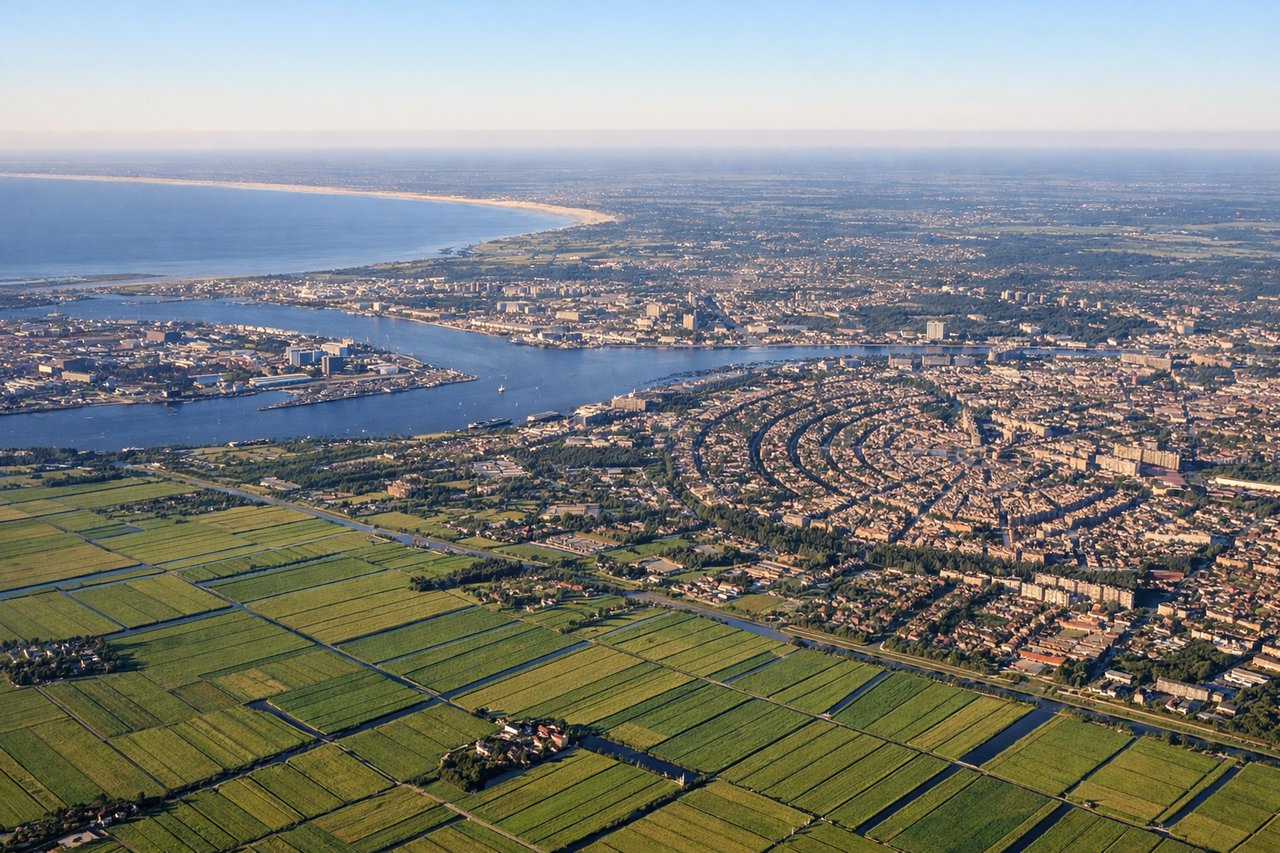
Takeoff from AMS
RIGHTRight side offers views of the North Sea coast and the Dutch inland waterways as you climb northwestward. You'll see the polder landscape and water systems that define the Netherlands' geography during the initial climb.
Landing at GLA
LEFTLeft side provides excellent views during descent into Glasgow. You'll see the Firth of Clyde, the Southern Uplands, and the transition from Scottish moorland to the urban Glasgow area as you approach from the south.
Landmarks on this routeAll landmarks →
Will your flight be in sunlight?
See exactly which side of the plane gets sun and shade at your departure time.
About This Route
Which side of the plane should I sit on flying from Schiphol (AMS) to Glasgow (GLA)?
Sit on the Left side of the plane for the best views on flights from Amsterdam to Glasgow. While takeoff on the right offers Dutch water systems, the left side of the landing approach provides more dramatic and visually distinctive scenery—the Firth of Clyde, Southern Uplands, and Scottish landscape are more striking than the flat Dutch polders. For a full flight experience, left wins.
What can I see during takeoff from Schiphol in Amsterdam?
During takeoff from Schiphol (AMS), sit on the Right side for the best views. Right side offers views of the North Sea coast and the Dutch inland waterways as you climb northwestward. You'll see the polder landscape and water systems that define the Netherlands' geography during the initial climb. Notable sights include: Markermeer (large inland lake), North Sea coastline, IJsselmeer (freshwater lake), Dutch polder grid pattern.
What can I see when landing at Glasgow in Glasgow?
When landing at Glasgow (GLA), sit on the Left side for the best views. Left side provides excellent views during descent into Glasgow. You'll see the Firth of Clyde, the Southern Uplands, and the transition from Scottish moorland to the urban Glasgow area as you approach from the south. Notable sights include: Firth of Clyde (major estuary), Southern Uplands (rolling hills), Loch Lomond (visible to northwest on approach), Glasgow urban sprawl.
How long is the flight from Amsterdam to Glasgow?
The flight from Schiphol (AMS) to Glasgow (GLA) takes Approximately 1 hour 15 minutes.
What does the Amsterdam to Glasgow flight path pass over?
The flight crosses the North Sea at altitude. Midway, you'll pass over the English Midlands and northern England—the Peak District hills may be visible to the left depending on exact routing. The flight typically maintains cruising altitude over open water and rural terrain, with limited dramatic landmarks in the middle section. The most notable transition occurs as you approach Scotland and begin descent toward the Firth of Clyde region.