The right side wins overall because the Amsterdam departure view is genuinely spectacular — the canal ring from the air is one of Europe's most recognizable urban patterns — and the right side also captures the Ural Mountains crossing and Siberian river systems during the cruise portion of the polar-adjacent routing.
Flight Path
The route tracks northeast over Germany and Poland, then across the Baltic states and into Russia. Over western Siberia the flight crosses the Ural Mountains (a broad, low ridge visible as a dark forested spine), then the vast West Siberian Plain with its enormous river systems including the Ob and Irtysh. Further east, Lake Baikal may be visible depending on exact routing. The flight then crosses Mongolia and northeastern China before descending over the Yellow Sea toward Incheon.
Great circle distance and headings ›


Phase by phase
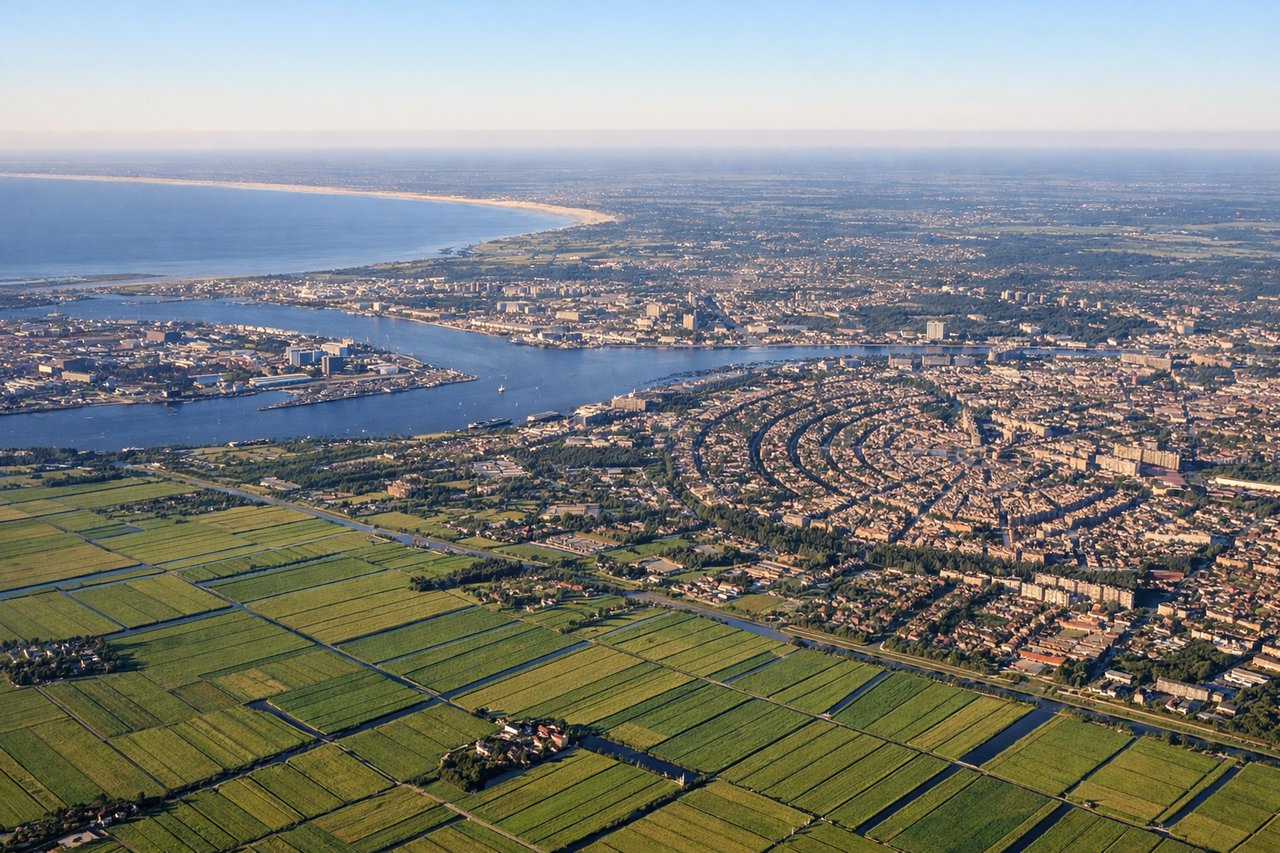
Takeoff from AMS
RIGHTSchiphol's primary departure runways (18R/36L and 06/24 configurations) typically send northbound and eastbound departures over Amsterdam city center and the IJ waterway when banking right. A right-side seat gives you the Amsterdam canal ring, the IJ river, and the sprawl of the city before climbing over the IJsselmeer.
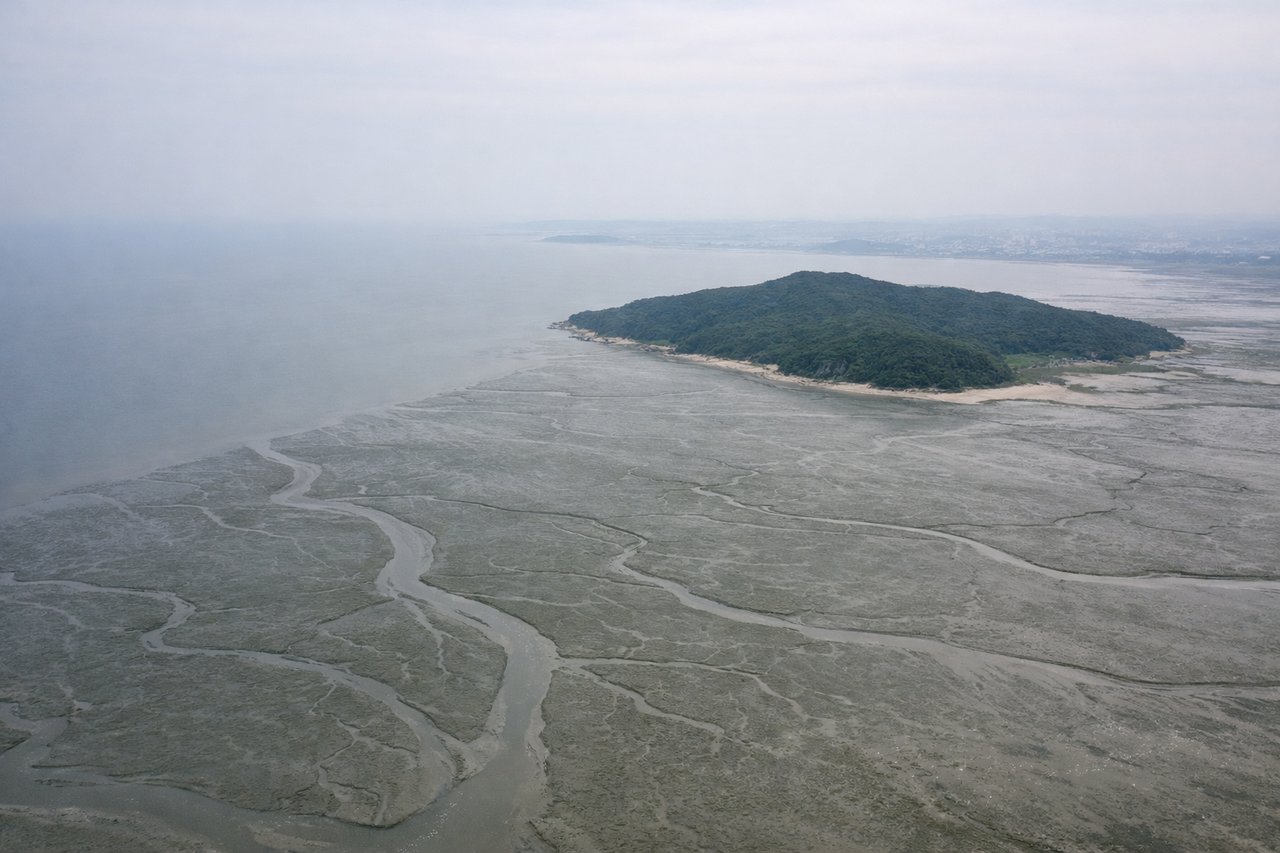
Landing at ICN
LEFTIncheon's primary arrival runways (15L/33R and 15R/33L) bring aircraft in from the northwest over the Yellow Sea. On approach from the west, left-side seats face south toward the Han River estuary, the southern tip of Ganghwa Island, and eventually the Seoul metropolitan skyline in the distance to the southeast.
Landmarks on this routeAll landmarks →
Will your flight be in sunlight?
See exactly which side of the plane gets sun and shade at your departure time.
About This Route
Which side of the plane should I sit on flying from Schiphol (AMS) to Incheon International (ICN)?
Sit on the Right side of the plane for the best views on flights from Amsterdam to Seoul. The right side wins overall because the Amsterdam departure view is genuinely spectacular — the canal ring from the air is one of Europe's most recognizable urban patterns — and the right side also captures the Ural Mountains crossing and Siberian river systems during the cruise portion of the polar-adjacent routing.
What can I see during takeoff from Schiphol in Amsterdam?
During takeoff from Schiphol (AMS), sit on the Right side for the best views. Schiphol's primary departure runways (18R/36L and 06/24 configurations) typically send northbound and eastbound departures over Amsterdam city center and the IJ waterway when banking right. A right-side seat gives you the Amsterdam canal ring, the IJ river, and the sprawl of the city before climbing over the IJsselmeer. Notable sights include: Amsterdam canal ring district, IJ river and Amsterdam harbour, IJsselmeer (large inland lake to the northeast), Almere new town across the water.
What can I see when landing at Incheon International in Seoul?
When landing at Incheon International (ICN), sit on the Left side for the best views. Incheon's primary arrival runways (15L/33R and 15R/33L) bring aircraft in from the northwest over the Yellow Sea. On approach from the west, left-side seats face south toward the Han River estuary, the southern tip of Ganghwa Island, and eventually the Seoul metropolitan skyline in the distance to the southeast. Notable sights include: Yellow Sea approach over open water, Ganghwa Island and its tidal flats, Han River estuary and mudflats, Incheon city port and container terminals.
How long is the flight from Amsterdam to Seoul?
The flight from Schiphol (AMS) to Incheon International (ICN) takes Approximately 10 to 11 hours.
What does the Amsterdam to Seoul flight path pass over?
The route tracks northeast over Germany and Poland, then across the Baltic states and into Russia. Over western Siberia the flight crosses the Ural Mountains (a broad, low ridge visible as a dark forested spine), then the vast West Siberian Plain with its enormous river systems including the Ob and Irtysh. Further east, Lake Baikal may be visible depending on exact routing. The flight then crosses Mongolia and northeastern China before descending over the Yellow Sea toward Incheon.