While the right side wins at takeoff for Amsterdam views, the left side delivers more consistently across the full flight — it captures the better KL approach view, and along the route through Central Asia and Southeast Asia, the left side generally faces south toward the Bay of Bengal and eventually the Strait of Malacca coastline. The KL landing view of the Petronas Towers and Titiwangsa hills is the single most dramatic moment of the journey.
Flight Path
The route tracks southeast over Germany and Austria, crossing the Alps (visible from both sides around the Austrian-Swiss border area), then over the Balkans and Turkey. It crosses the Caspian Sea, then transits Iran and Pakistan before entering India over the Indus plain. The Bay of Bengal is crossed at altitude, followed by the Malay Peninsula approach over the Strait of Malacca. The Himalayas are generally too far north of this routing to be prominently visible, though high peaks may appear as a distant white line on the left horizon over northern India.
Great circle distance and headings ›


Phase by phase
Takeoff from AMS
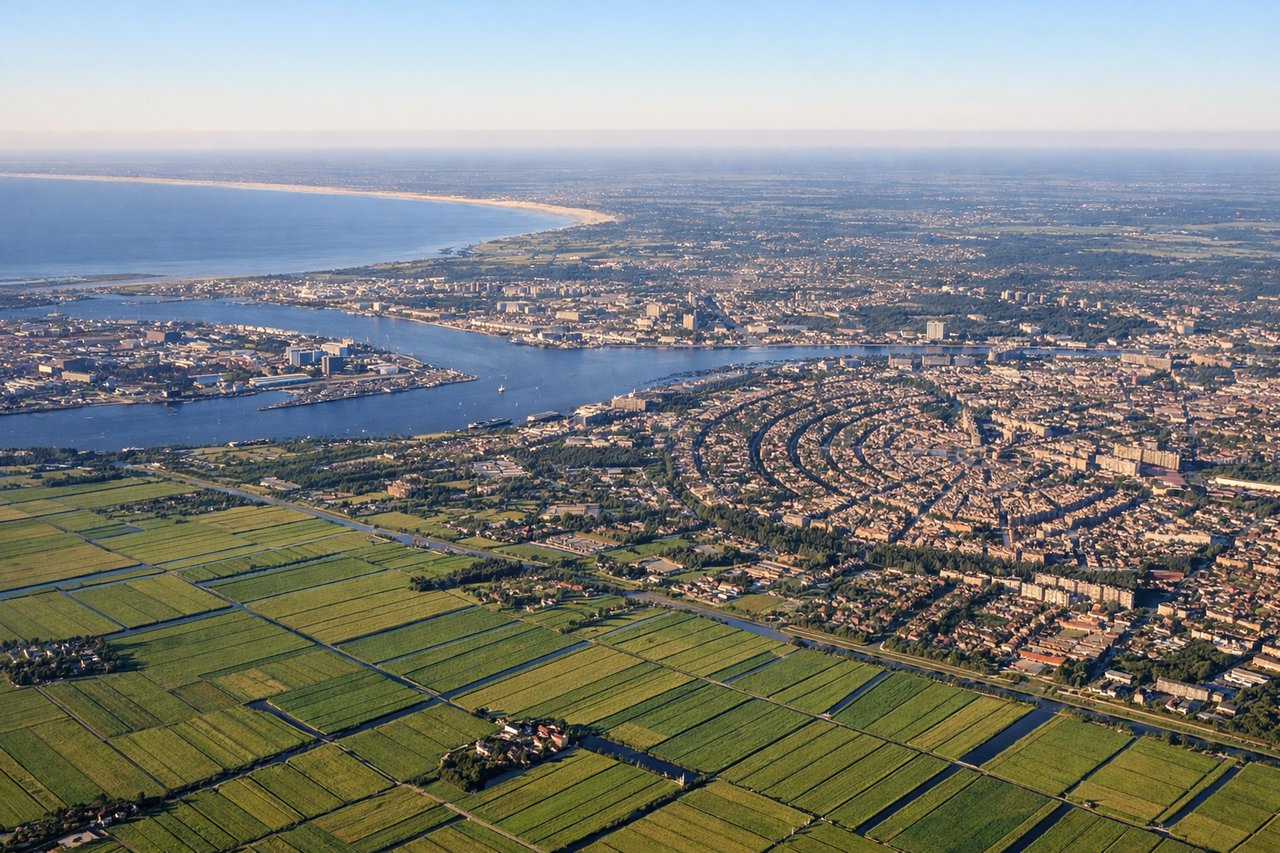
RIGHTSchiphol's primary departure runways (18R/36L and 06/24 complex) mean southeastbound flights typically climb out heading southeast, putting Amsterdam city center and the IJ waterway on the right side. You get a clear view over the historic canal ring and the Amstel river before the aircraft tracks over the Dutch polders.

Landing at KUL
LEFTKLIA sits south of Kuala Lumpur and aircraft typically approach from the north or northwest on runway 14R/32L or 15/33 orientations. On a standard approach from the northwest, the left side faces northeast toward central KL, giving a clear view of the Petronas Towers and the city skyline against the jungle backdrop of the Titiwangsa foothills.
Landmarks on this routeAll landmarks →
Will your flight be in sunlight?
See exactly which side of the plane gets sun and shade at your departure time.
About This Route
Which side of the plane should I sit on flying from Schiphol (AMS) to Kuala Lumpur International (KUL)?
Sit on the Left side of the plane for the best views on flights from Amsterdam to Kuala Lumpur. While the right side wins at takeoff for Amsterdam views, the left side delivers more consistently across the full flight — it captures the better KL approach view, and along the route through Central Asia and Southeast Asia, the left side generally faces south toward the Bay of Bengal and eventually the Strait of Malacca coastline. The KL landing view of the Petronas Towers and Titiwangsa hills is the single most dramatic moment of the journey.
What can I see during takeoff from Schiphol in Amsterdam?
During takeoff from Schiphol (AMS), sit on the Right side for the best views. Schiphol's primary departure runways (18R/36L and 06/24 complex) mean southeastbound flights typically climb out heading southeast, putting Amsterdam city center and the IJ waterway on the right side. You get a clear view over the historic canal ring and the Amstel river before the aircraft tracks over the Dutch polders. Notable sights include: Amsterdam canal ring and Amstel river, IJmeer lake to the northeast, Dutch polder farmland grid, Haarlemmer lake basin (now Haarlemmermeer, the reclaimed land Schiphol sits in).
What can I see when landing at Kuala Lumpur International in Kuala Lumpur?
When landing at Kuala Lumpur International (KUL), sit on the Left side for the best views. KLIA sits south of Kuala Lumpur and aircraft typically approach from the north or northwest on runway 14R/32L or 15/33 orientations. On a standard approach from the northwest, the left side faces northeast toward central KL, giving a clear view of the Petronas Towers and the city skyline against the jungle backdrop of the Titiwangsa foothills. Notable sights include: Petronas Twin Towers and KL city skyline, Titiwangsa mountain range foothills to the northeast, Klang River valley threading through the urban area, palm oil plantation patchwork on the Selangor plain.
How long is the flight from Amsterdam to Kuala Lumpur?
The flight from Schiphol (AMS) to Kuala Lumpur International (KUL) takes Approximately 12 to 13 hours.
What does the Amsterdam to Kuala Lumpur flight path pass over?
The route tracks southeast over Germany and Austria, crossing the Alps (visible from both sides around the Austrian-Swiss border area), then over the Balkans and Turkey. It crosses the Caspian Sea, then transits Iran and Pakistan before entering India over the Indus plain. The Bay of Bengal is crossed at altitude, followed by the Malay Peninsula approach over the Strait of Malacca. The Himalayas are generally too far north of this routing to be prominently visible, though high peaks may appear as a distant white line on the left horizon over northern India.