While the takeoff offers interesting Dutch water features on the left, the landing approach on the right provides more dramatic and visually rewarding scenery—the Troodos Mountains and Mediterranean coastline are far more striking than the flat northern European landscape. Right seats capture the best of the destination.
Flight Path
The flight path crosses the North Sea, then proceeds southeast over Germany and Austria (Alpine foothills visible on clear days), continues over the Balkans and Greece, and crosses the eastern Mediterranean. Notable midpoint features include the Alps (southern edge visible from cruising altitude on the left side during the central portion), the Danube River valley, the Pindus Mountains in Greece, and the Greek islands of the Aegean Sea (Crete visible on the right as the aircraft approaches Cyprus).
Great circle distance and headings ›Phase by phase
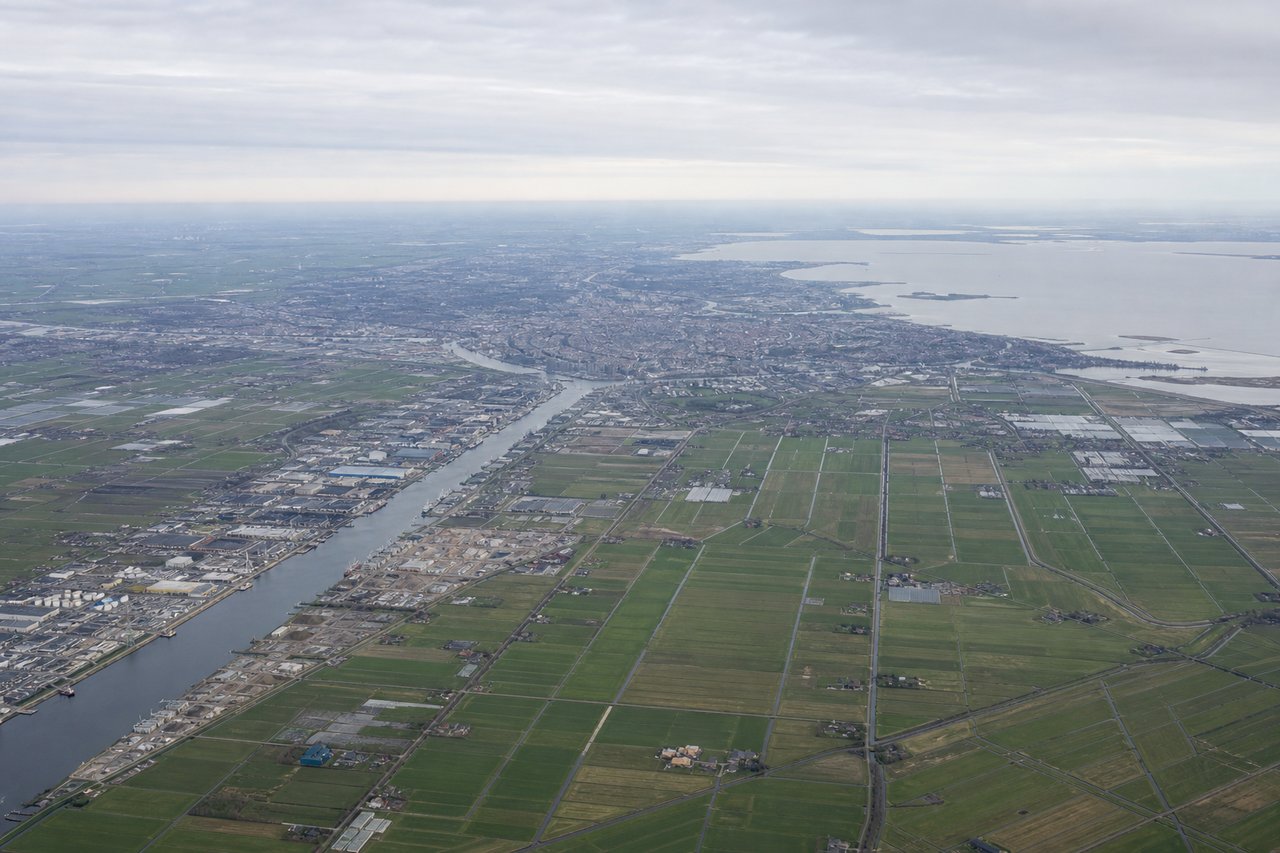
Takeoff from AMS
LEFTLeft seats offer views of the North Sea coast and the Dutch inland waterways system as the aircraft climbs out northwestward over the Ijsselmeer and coastal regions. Right seats face inland toward flat agricultural plains with minimal visual interest.
Landing at PFO
RIGHTRight seats provide excellent views during the approach to Paphos, with clear sightlines to the Troodos Mountains inland and the Mediterranean coastline. The aircraft descends from the northeast, making right-side seats optimal for viewing the island's topography and the coastal approach.
Landmarks on this routeAll landmarks →
Will your flight be in sunlight?
See exactly which side of the plane gets sun and shade at your departure time.
About This Route
Which side of the plane should I sit on flying from Schiphol (AMS) to Paphos International (PFO)?
Sit on the Right side of the plane for the best views on flights from Amsterdam to Paphos. While the takeoff offers interesting Dutch water features on the left, the landing approach on the right provides more dramatic and visually rewarding scenery—the Troodos Mountains and Mediterranean coastline are far more striking than the flat northern European landscape. Right seats capture the best of the destination.
What can I see during takeoff from Schiphol in Amsterdam?
During takeoff from Schiphol (AMS), sit on the Left side for the best views. Left seats offer views of the North Sea coast and the Dutch inland waterways system as the aircraft climbs out northwestward over the Ijsselmeer and coastal regions. Right seats face inland toward flat agricultural plains with minimal visual interest. Notable sights include: Ijsselmeer (large inland lake), North Sea coastline, Afsluitdijk (major causeway dam), Dutch polder landscape.
What can I see when landing at Paphos International in Paphos?
When landing at Paphos International (PFO), sit on the Right side for the best views. Right seats provide excellent views during the approach to Paphos, with clear sightlines to the Troodos Mountains inland and the Mediterranean coastline. The aircraft descends from the northeast, making right-side seats optimal for viewing the island's topography and the coastal approach. Notable sights include: Troodos Mountains (central Cyprus highlands), Mediterranean Sea, Paphos coastal plain, Akamas Peninsula.
How long is the flight from Amsterdam to Paphos?
The flight from Schiphol (AMS) to Paphos International (PFO) takes 4h 25m.
What does the Amsterdam to Paphos flight path pass over?
The flight path crosses the North Sea, then proceeds southeast over Germany and Austria (Alpine foothills visible on clear days), continues over the Balkans and Greece, and crosses the eastern Mediterranean. Notable midpoint features include the Alps (southern edge visible from cruising altitude on the left side during the central portion), the Danube River valley, the Pindus Mountains in Greece, and the Greek islands of the Aegean Sea (Crete visible on the right as the aircraft approaches Cyprus).