While the takeoff offers interesting Dutch water features, the landing approach into Sydney provides more dramatic and visually distinctive scenery with the Blue Mountains and Sydney Harbour geography. Right seats capture the most impressive visual sequence during descent.
Flight Path
This route typically routes southeast over Europe, then across the Mediterranean, Middle East (Persian Gulf region), Arabian Sea, and Indian Ocean. Notable features along the path include the Alps (if routed south of direct), the Suez Canal region, the Red Sea, the Arabian Peninsula, and the vast Indian Ocean. The flight crosses multiple time zones and typically includes a refueling stop in the Middle East (Doha, Abu Dhabi, or Dubai) or Southeast Asia (Singapore, Kuala Lumpur). The Indian Ocean crossing offers 6-8 hours of open water with minimal landmarks visible from cruise altitude.
Great circle distance and headings ›


.jpg?width=600)
Phase by phase
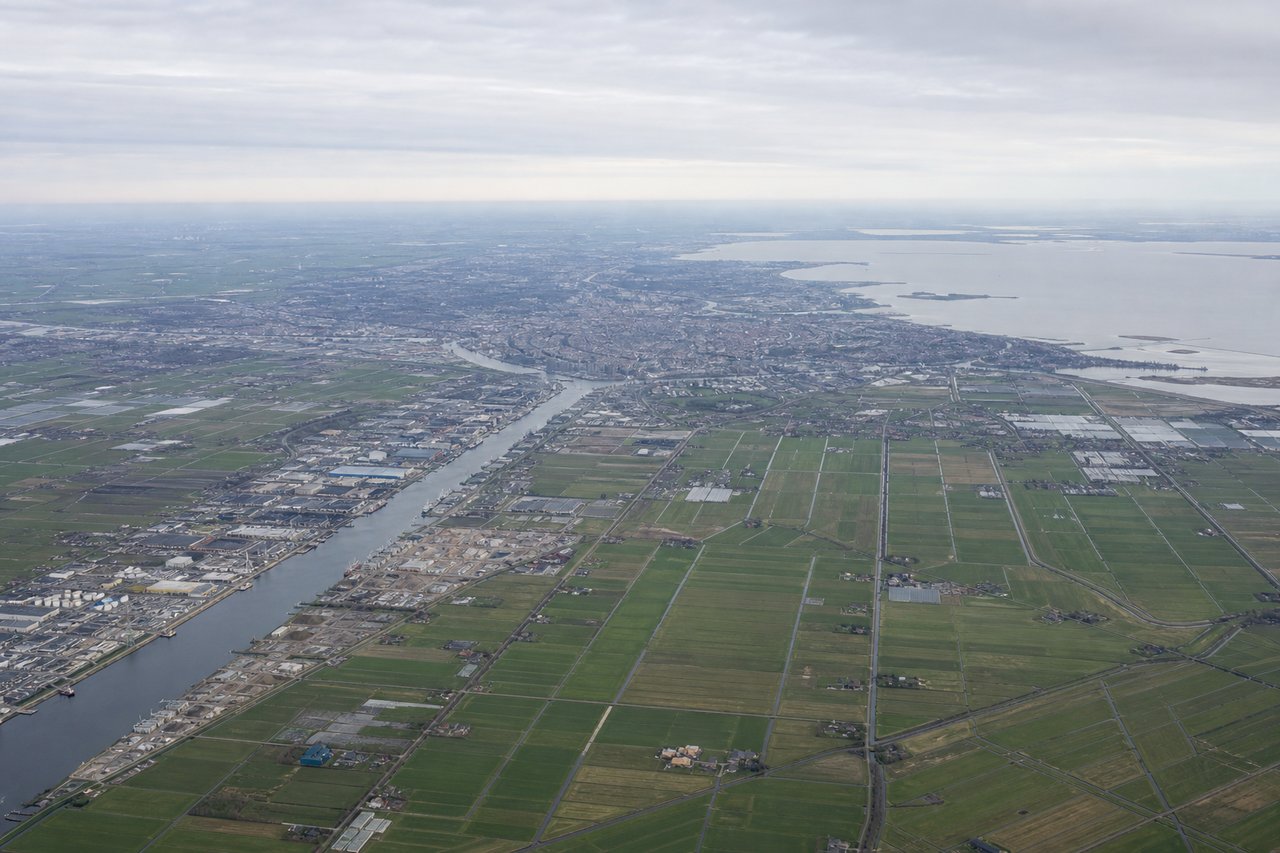
Takeoff from AMS
LEFTLeft seats offer views of the North Sea coast and the Dutch inland waterways as the aircraft climbs northwestward from Schiphol. You'll see the distinctive patchwork of polders, canals, and the Wadden Sea islands receding beneath you.
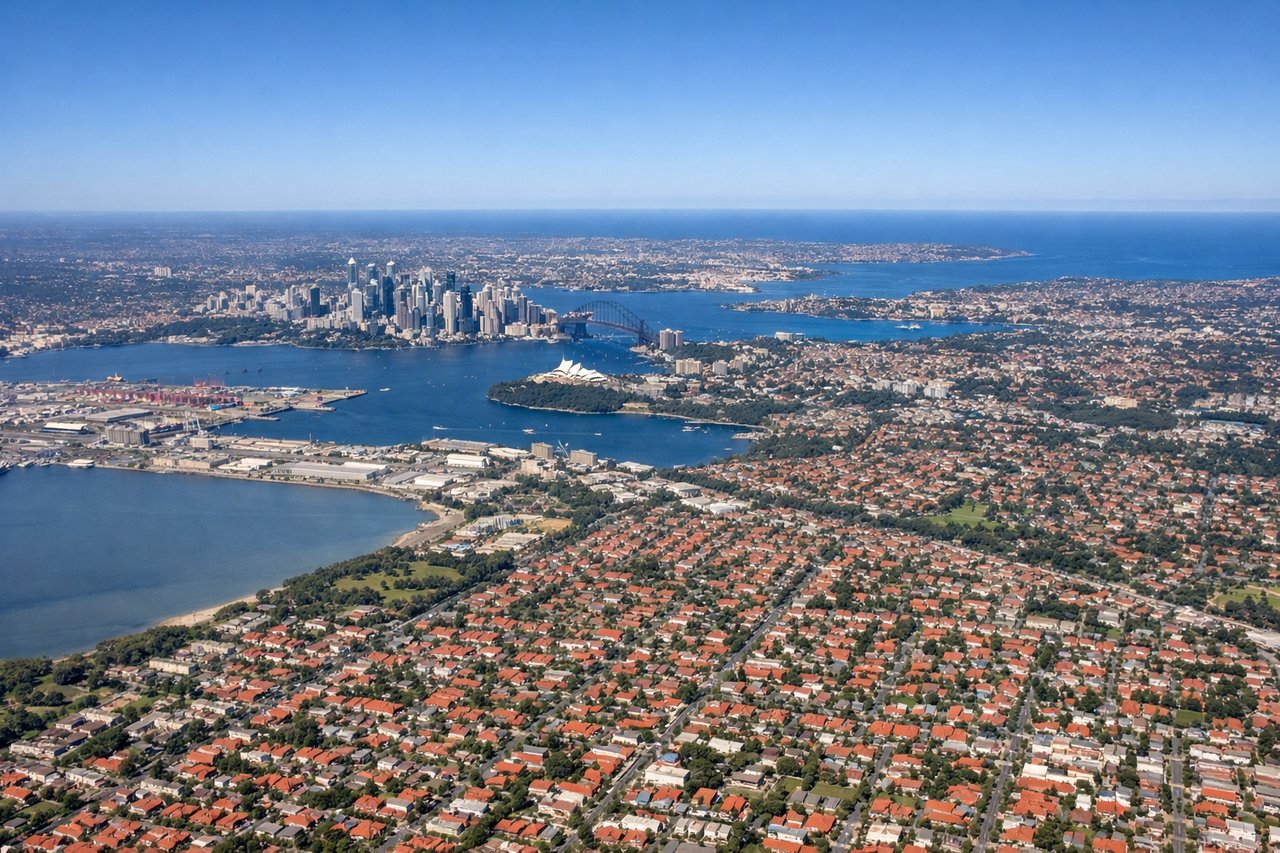
Landing at SYD
RIGHTRight seats provide excellent views during the descent into Sydney. You'll see the Blue Mountains to the west and southwest, then the Hawkesbury River valley, and finally Sydney Harbour with its distinctive geography as you approach from the west.
Landmarks on this routeAll landmarks →
Will your flight be in sunlight?
See exactly which side of the plane gets sun and shade at your departure time.
About This Route
Which side of the plane should I sit on flying from Schiphol (AMS) to Kingsford Smith International Airport (SYD)?
Sit on the Right side of the plane for the best views on flights from Amsterdam to Sydney. While the takeoff offers interesting Dutch water features, the landing approach into Sydney provides more dramatic and visually distinctive scenery with the Blue Mountains and Sydney Harbour geography. Right seats capture the most impressive visual sequence during descent.
What can I see during takeoff from Schiphol in Amsterdam?
During takeoff from Schiphol (AMS), sit on the Left side for the best views. Left seats offer views of the North Sea coast and the Dutch inland waterways as the aircraft climbs northwestward from Schiphol. You'll see the distinctive patchwork of polders, canals, and the Wadden Sea islands receding beneath you. Notable sights include: North Sea coastline, Wadden Sea islands (Texel, Vlieland, Terschelling), Dutch polder canal network, IJsselmeer lake.
What can I see when landing at Kingsford Smith International Airport in Sydney?
When landing at Kingsford Smith International Airport (SYD), sit on the Right side for the best views. Right seats provide excellent views during the descent into Sydney. You'll see the Blue Mountains to the west and southwest, then the Hawkesbury River valley, and finally Sydney Harbour with its distinctive geography as you approach from the west. Notable sights include: Blue Mountains (western escarpment), Hawkesbury River valley, Sydney Harbour with headlands, Botany Bay to the south.
How long is the flight from Amsterdam to Sydney?
The flight from Schiphol (AMS) to Kingsford Smith International Airport (SYD) takes Approximately 17-18 hours (including typical routing via Middle East or Southeast Asia hub).
What does the Amsterdam to Sydney flight path pass over?
This route typically routes southeast over Europe, then across the Mediterranean, Middle East (Persian Gulf region), Arabian Sea, and Indian Ocean. Notable features along the path include the Alps (if routed south of direct), the Suez Canal region, the Red Sea, the Arabian Peninsula, and the vast Indian Ocean. The flight crosses multiple time zones and typically includes a refueling stop in the Middle East (Doha, Abu Dhabi, or Dubai) or Southeast Asia (Singapore, Kuala Lumpur). The Indian Ocean crossing offers 6-8 hours of open water with minimal landmarks visible from cruise altitude.