While the right side wins at Schiphol departure, the left side delivers the more dramatic and sustained views: southern Greenland's ice sheet and fjords mid-flight, and the St. Lawrence River plus Montreal city approach on landing. The Greenland coastal scenery alone makes left side the better choice for the full journey.
Flown AMS to YUL? Did we get it right?
Flight Path
Amsterdam to Montreal is 3,420 miles (5,503 km), a flight of about 7 hours 45 minutes.
The flight path crosses the North Sea, then the southern tip of the UK or northern Scotland, then tracks across the North Atlantic. Around the midpoint, the southern coast of Greenland is visible with its ice cap, outlet glaciers, and deeply cut fjords — genuinely one of the most dramatic aerial views in commercial aviation. After Greenland, the flight crosses the Labrador Sea and then the largely forested and lake-dotted Quebec interior before descending toward Montreal.
Great circle distance and headings ›

Phase by phase
Takeoff from AMS
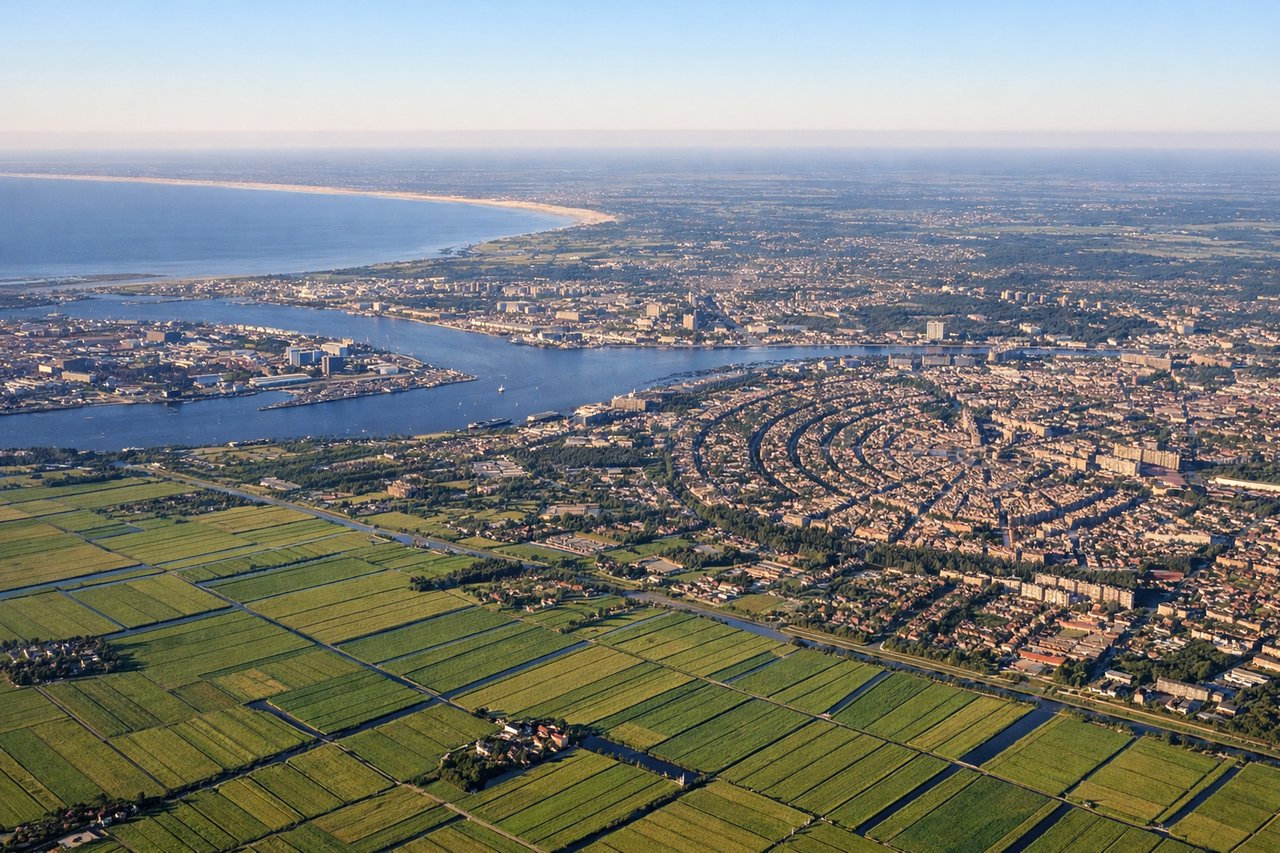
RIGHTSchiphol typically departs westward on runway 18R/36L or 06/24, and westbound transatlantic flights often climb out heading northwest. A right-side seat gives you views over Amsterdam city center, the IJ river, and the patchwork of Dutch polders and canals as you gain altitude. Left side faces open farmland and greenhouse complexes toward Leiden.
Landing at YUL
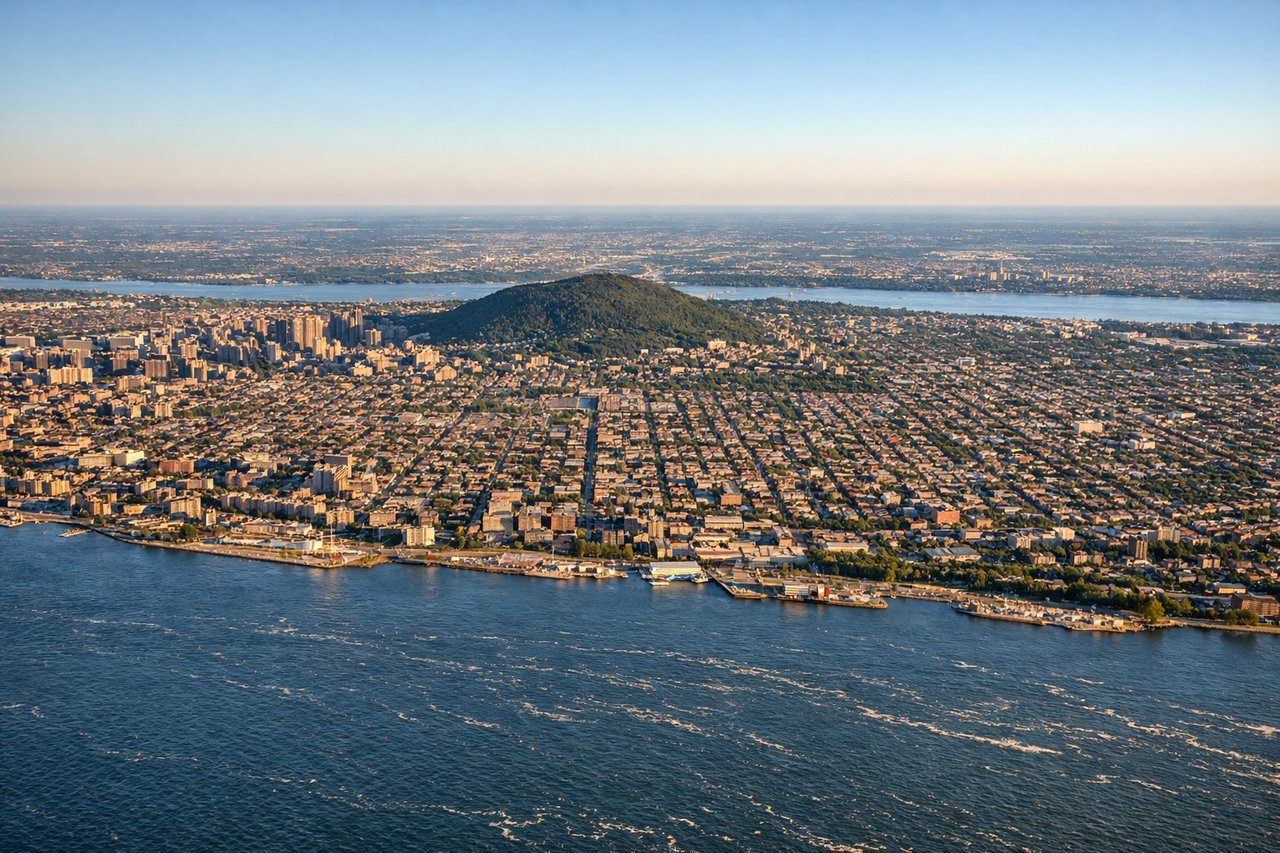
LEFTFlights from Europe typically approach Montreal from the east, often landing on runway 24L/R heading southwest. A left-side seat on approach gives views over the St. Lawrence River, Montreal Island, and the city grid including Mount Royal. Right side faces the South Shore suburbs with less visual interest.
Will your flight be in sunlight?
Pick a date and time in the Sun Map to watch the sun move across your whole flight.
About This Route
Which side of the plane should I sit on flying from Schiphol (AMS) to Montreal International Dorval (YUL)?
Sit on the Left side of the plane for the best views on flights from Amsterdam to Montreal. While the right side wins at Schiphol departure, the left side delivers the more dramatic and sustained views: southern Greenland's ice sheet and fjords mid-flight, and the St. Lawrence River plus Montreal city approach on landing. The Greenland coastal scenery alone makes left side the better choice for the full journey.
What can I see during takeoff from Schiphol in Amsterdam?
During takeoff from Schiphol (AMS), sit on the Right side for the best views. Schiphol typically departs westward on runway 18R/36L or 06/24, and westbound transatlantic flights often climb out heading northwest. A right-side seat gives you views over Amsterdam city center, the IJ river, and the patchwork of Dutch polders and canals as you gain altitude. Left side faces open farmland and greenhouse complexes toward Leiden. Notable sights include: Amsterdam city center and canal ring, IJ river and Amsterdam harbor, Dutch polder canal grid, IJmeer/IJsselmeer lake to the northeast.
What can I see when landing at Montreal International Dorval in Montreal?
When landing at Montreal International Dorval (YUL), sit on the Left side for the best views. Flights from Europe typically approach Montreal from the east, often landing on runway 24L/R heading southwest. A left-side seat on approach gives views over the St. Lawrence River, Montreal Island, and the city grid including Mount Royal. Right side faces the South Shore suburbs with less visual interest. Notable sights include: St. Lawrence River, Montreal Island urban grid, Mount Royal hill rising from the city, Rivière des Prairies separating Montreal Island from Laval.
How long is the flight from Amsterdam to Montreal?
The flight from Schiphol (AMS) to Montreal International Dorval (YUL) takes about 7 hours 45 minutes. The shortest flight path between them is 3,420 miles (5,503 km); winds and air traffic control usually add a few percent.
What does the Amsterdam to Montreal flight path pass over?
The flight path crosses the North Sea, then the southern tip of the UK or northern Scotland, then tracks across the North Atlantic. Around the midpoint, the southern coast of Greenland is visible with its ice cap, outlet glaciers, and deeply cut fjords — genuinely one of the most dramatic aerial views in commercial aviation. After Greenland, the flight crosses the Labrador Sea and then the largely forested and lake-dotted Quebec interior before descending toward Montreal.