The right side wins across all phases: a spectacular Alaskan coastal and mountain departure, sustained views of the Coast Mountains and Canadian/American Rockies during cruise, and a scenic Front Range approach into Denver, compared to the flatter, less varied views on the left.
Flight Path
Coast Mountains of British Columbia, Canadian Rockies near Banff/Jasper, and the northern Rocky Mountain ranges of Montana and Wyoming along the flight path
Great circle distance and headings ›


.jpg?width=600)
.jpg?width=600)
Phase by phase
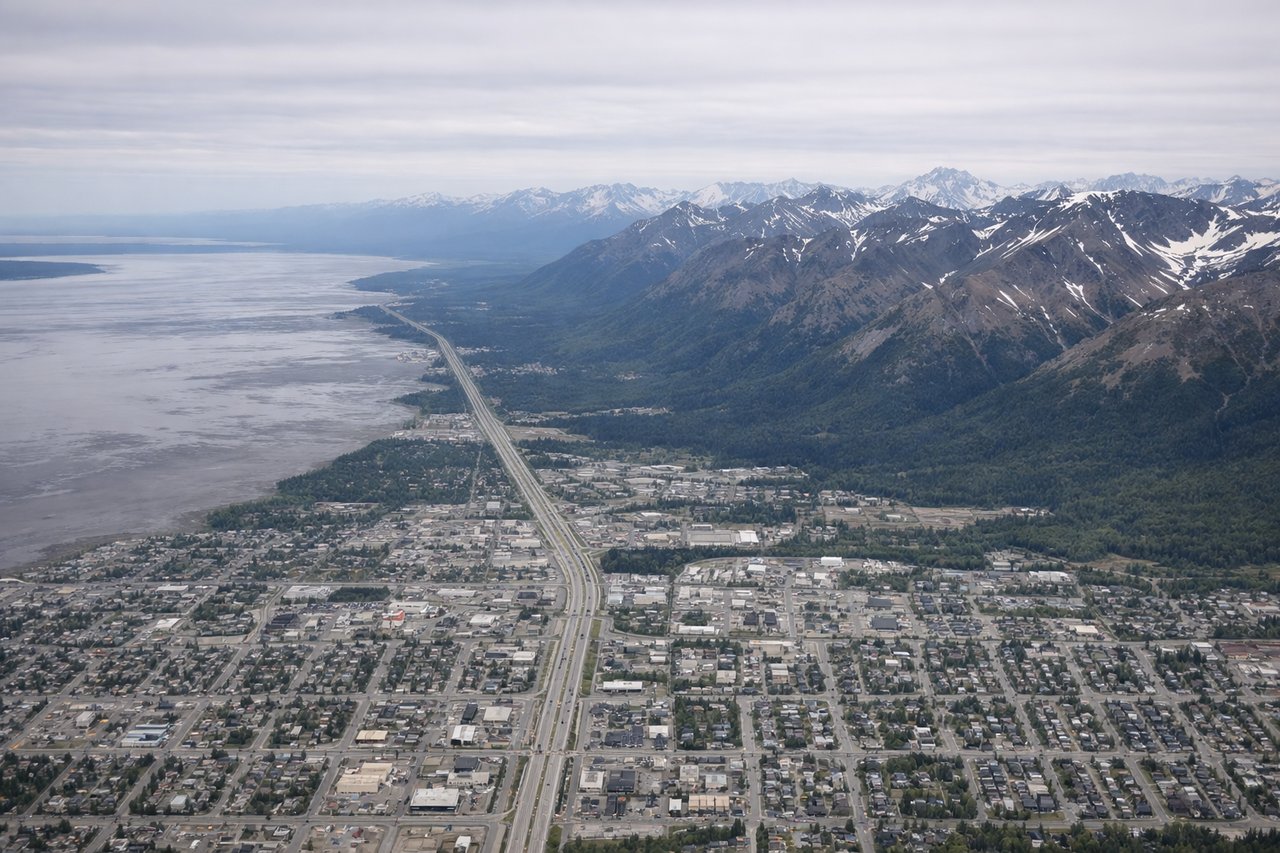
Takeoff from ANC
RIGHTDeparting ANC to the southeast, the right side offers a dramatic view down Turnagain Arm and Cook Inlet with the Chugach and Kenai Mountains rising sharply from the water — one of the most photographed departure views in North America. The left side mostly shows the flatter Susitna Valley and, on very clear days, a distant glimpse of Denali far to the north.
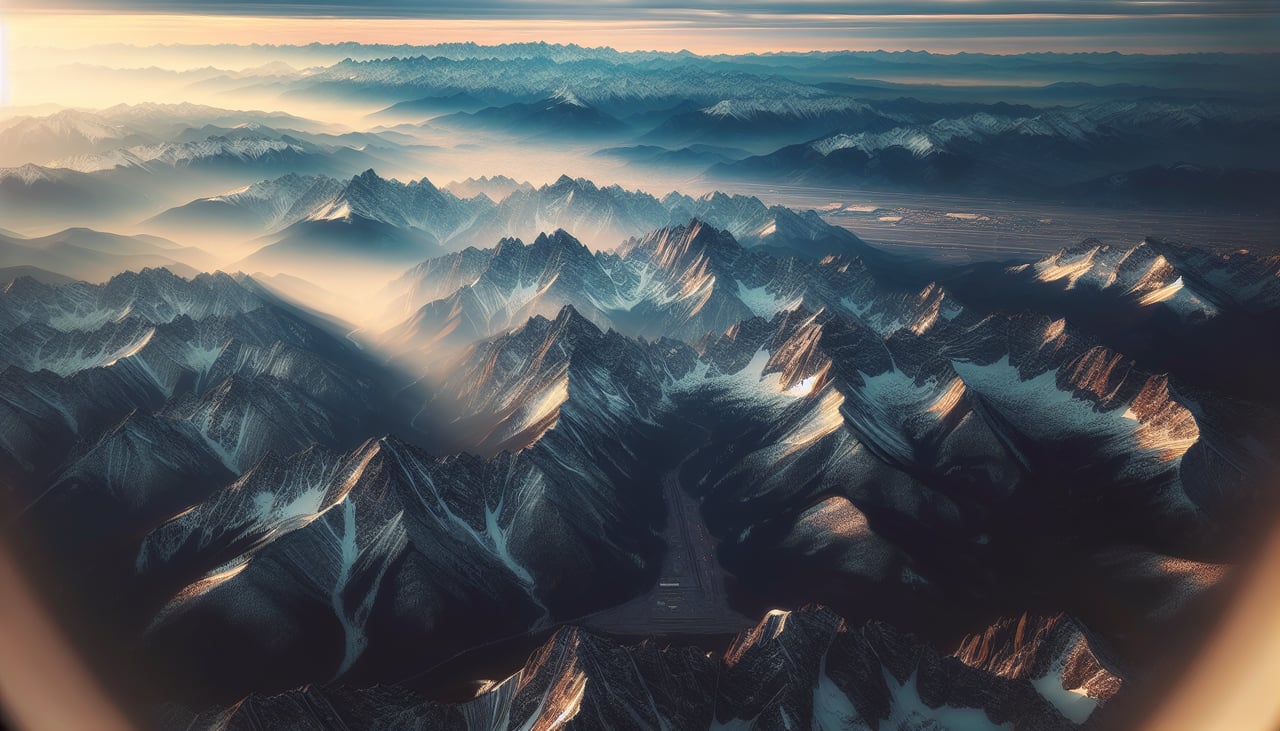
Landing at DEN
RIGHTArriving into DEN from the north, the right side gives passengers a clear view of the Rocky Mountain Front Range and its foothills rising abruptly from the plains just west of the airport. The left side instead faces east over flat, featureless prairie with little to see until the Denver skyline briefly appears.
Landmarks on this routeAll landmarks →
Will your flight be in sunlight?
See exactly which side of the plane gets sun and shade at your departure time.
About This Route
Which side of the plane should I sit on flying from Ted Stevens Anchorage International (ANC) to Denver International (DEN)?
Sit on the Right side of the plane for the best views on flights from Anchorage to Denver. The right side wins across all phases: a spectacular Alaskan coastal and mountain departure, sustained views of the Coast Mountains and Canadian/American Rockies during cruise, and a scenic Front Range approach into Denver, compared to the flatter, less varied views on the left.
What can I see during takeoff from Ted Stevens Anchorage International in Anchorage?
During takeoff from Ted Stevens Anchorage International (ANC), sit on the Right side for the best views. Departing ANC to the southeast, the right side offers a dramatic view down Turnagain Arm and Cook Inlet with the Chugach and Kenai Mountains rising sharply from the water — one of the most photographed departure views in North America. The left side mostly shows the flatter Susitna Valley and, on very clear days, a distant glimpse of Denali far to the north. Notable sights include: Turnagain Arm, Chugach Mountains, Cook Inlet, Kenai Mountains.
What can I see when landing at Denver International in Denver?
When landing at Denver International (DEN), sit on the Right side for the best views. Arriving into DEN from the north, the right side gives passengers a clear view of the Rocky Mountain Front Range and its foothills rising abruptly from the plains just west of the airport. The left side instead faces east over flat, featureless prairie with little to see until the Denver skyline briefly appears. Notable sights include: Rocky Mountain Front Range, Longs Peak area foothills, Denver skyline, South Platte River valley.
How long is the flight from Anchorage to Denver?
The flight from Ted Stevens Anchorage International (ANC) to Denver International (DEN) takes 4h 15m.
What does the Anchorage to Denver flight path pass over?
Coast Mountains of British Columbia, Canadian Rockies near Banff/Jasper, and the northern Rocky Mountain ranges of Montana and Wyoming along the flight path