While takeoff offers Atlanta views, the landing approach into Santo Domingo on the left side provides more dramatic and visually distinct scenery—the Caribbean transition from deep blue to turquoise, coastal development, and river delta are more striking than Atlanta's suburban sprawl.
Flown ATL to SDQ? Did we get it right?
Flight Path
Atlanta to Santo Domingo is 1,391 miles (2,238 km), a flight of about 3 hours 45 minutes.
Over the Atlantic Ocean southeast of the Bahamas, you'll cross the Bahama Banks (visible as shallow turquoise water if at lower altitude), then open ocean with occasional cloud formations. The flight path takes you over the Turks and Caicos Islands region before approaching the Dominican Republic from the southeast. No major landmarks are visible during the mid-ocean portion at cruising altitude, but the water color transition from deep Atlantic blue to Caribbean turquoise marks your approach to the Caribbean basin.
Great circle distance and headings ›Phase by phase
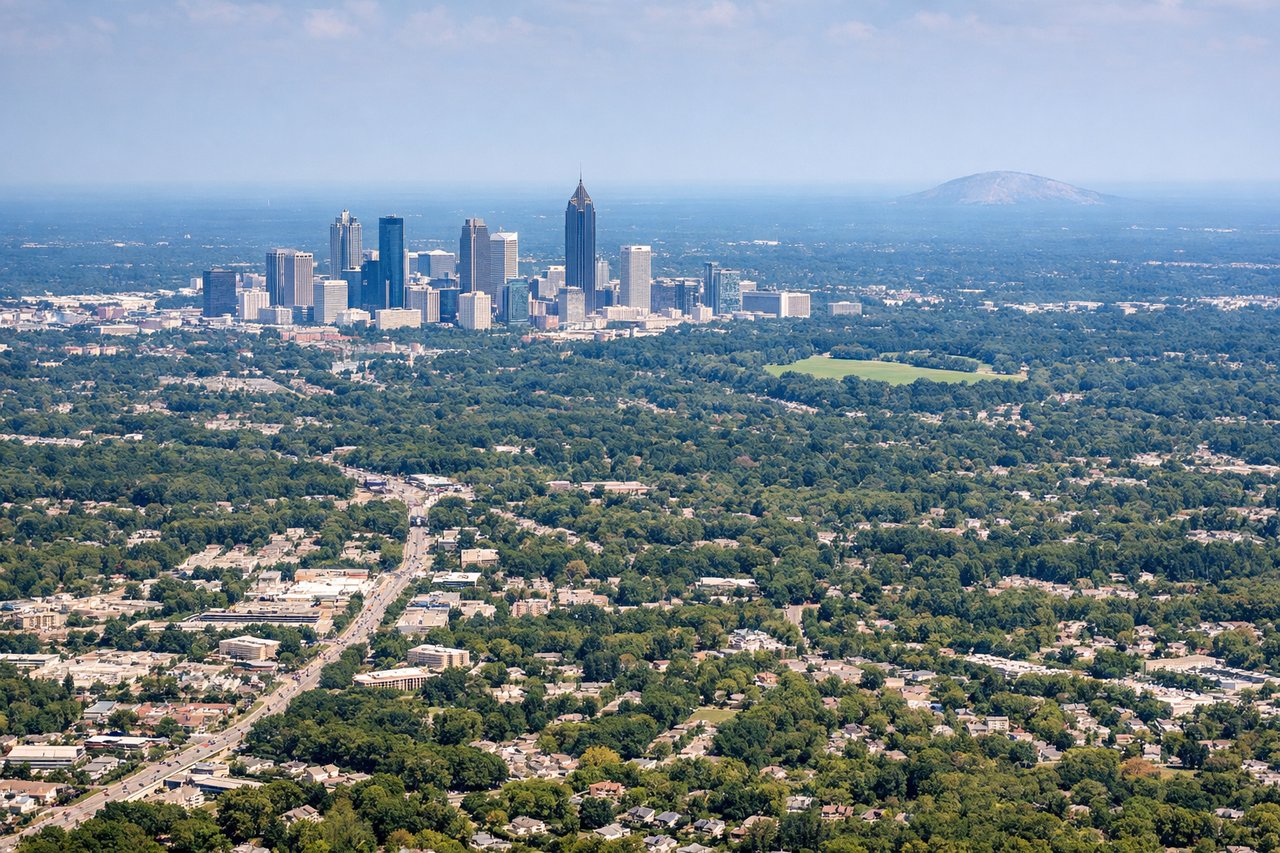
Takeoff from ATL
RIGHTRight-side seats offer views of Atlanta's urban sprawl and the Piedmont region as you climb southeast. You'll see the city grid fade into forested terrain and occasional lakes that dot Georgia's landscape.
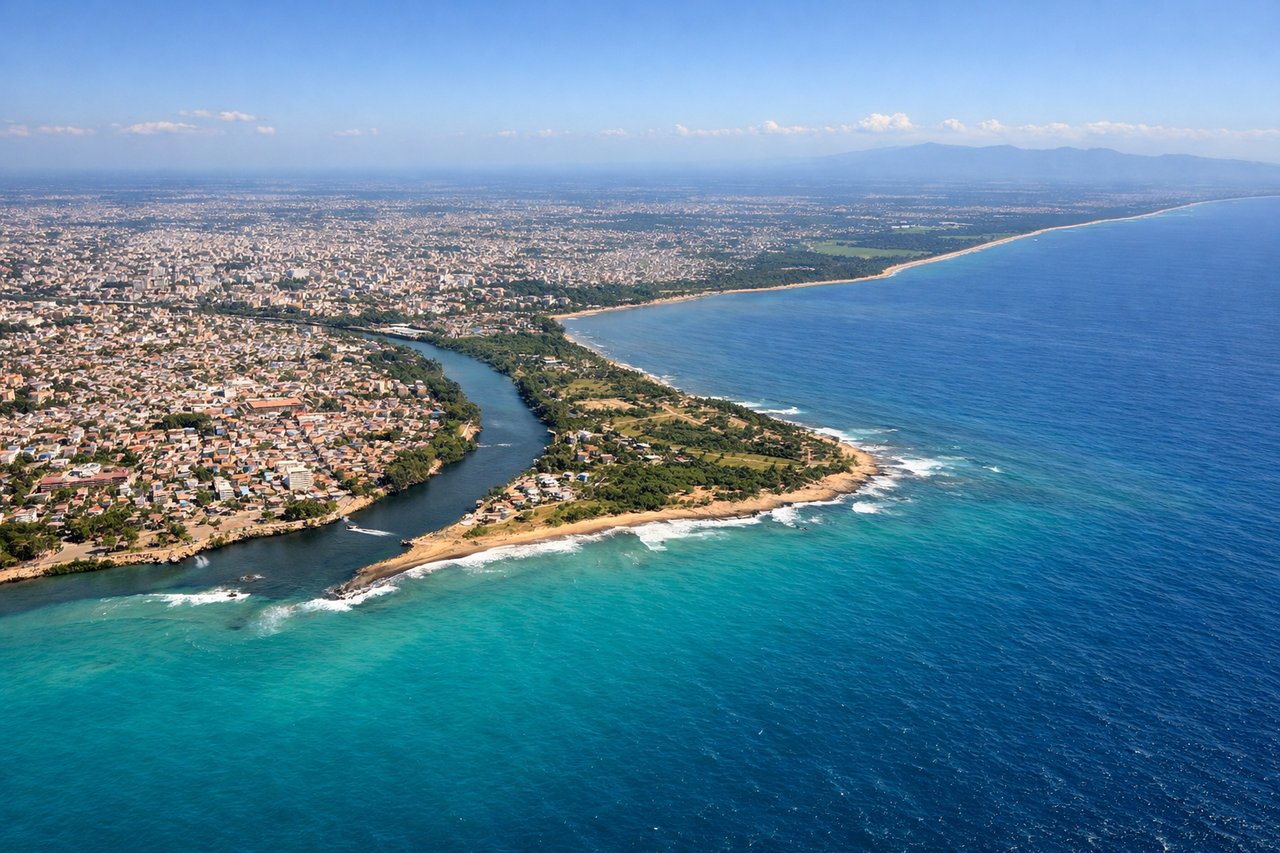
Landing at SDQ
LEFTLeft-side seats provide excellent views of the Dominican Republic's southern coast and the Caribbean Sea as you descend toward Santo Domingo. You'll see the turquoise waters of the Caribbean and the coastal plains where the capital sits.
Will your flight be in sunlight?
Pick a date and time in the Sun Map to watch the sun move across your whole flight.
About This Route
Which side of the plane should I sit on flying from The William B Hartsfield Atlanta International (ATL) to Las Americas International (SDQ)?
Sit on the Left side of the plane for the best views on flights from Atlanta to Santo Domingo. While takeoff offers Atlanta views, the landing approach into Santo Domingo on the left side provides more dramatic and visually distinct scenery—the Caribbean transition from deep blue to turquoise, coastal development, and river delta are more striking than Atlanta's suburban sprawl.
What can I see during takeoff from The William B Hartsfield Atlanta International in Atlanta?
During takeoff from The William B Hartsfield Atlanta International (ATL), sit on the Right side for the best views. Right-side seats offer views of Atlanta's urban sprawl and the Piedmont region as you climb southeast. You'll see the city grid fade into forested terrain and occasional lakes that dot Georgia's landscape. Notable sights include: Atlanta downtown skyline, Lake Lanier (north of the city), Chattahoochee River valley, Piedmont forest canopy.
What can I see when landing at Las Americas International in Santo Domingo?
When landing at Las Americas International (SDQ), sit on the Left side for the best views. Left-side seats provide excellent views of the Dominican Republic's southern coast and the Caribbean Sea as you descend toward Santo Domingo. You'll see the turquoise waters of the Caribbean and the coastal plains where the capital sits. Notable sights include: Caribbean Sea (turquoise waters), Santo Domingo coastal plains, Ozama River delta, Las Americas International Airport runway complex.
How long is the flight from Atlanta to Santo Domingo?
The flight from The William B Hartsfield Atlanta International (ATL) to Las Americas International (SDQ) takes about 3 hours 45 minutes. The shortest flight path between them is 1,391 miles (2,238 km); winds and air traffic control usually add a few percent.
What does the Atlanta to Santo Domingo flight path pass over?
Over the Atlantic Ocean southeast of the Bahamas, you'll cross the Bahama Banks (visible as shallow turquoise water if at lower altitude), then open ocean with occasional cloud formations. The flight path takes you over the Turks and Caicos Islands region before approaching the Dominican Republic from the southeast. No major landmarks are visible during the mid-ocean portion at cruising altitude, but the water color transition from deep Atlantic blue to Caribbean turquoise marks your approach to the Caribbean basin.