Right side scores higher due to superior scenic content at both departure and arrival. Barcelona's Mediterranean coastline and harbor provide engaging visual interest during takeoff, while the Río de la Plata estuary and Buenos Aires waterfront deliver distinctive scenery during descent and approach. The left side faces inland terrain that is less visually distinctive at both ends of the flight.
Flight Path
The flight crosses the Atlantic Ocean for approximately 5.5 hours with minimal visual landmarks. The route passes over the Azores region (though typically at cruise altitude where individual islands are small on the horizon), then continues over open Atlantic. Upon approaching South America, the Brazilian coast becomes visible, with the mouth of the Amazon River and the Atlantic coastline of northeastern Brazil appearing during descent into Argentine airspace. The flight path generally follows a great-circle route southwest across the Atlantic, with no significant mountain ranges or dramatic terrain visible during the cruise phase.
Great circle distance and headings ›Phase by phase
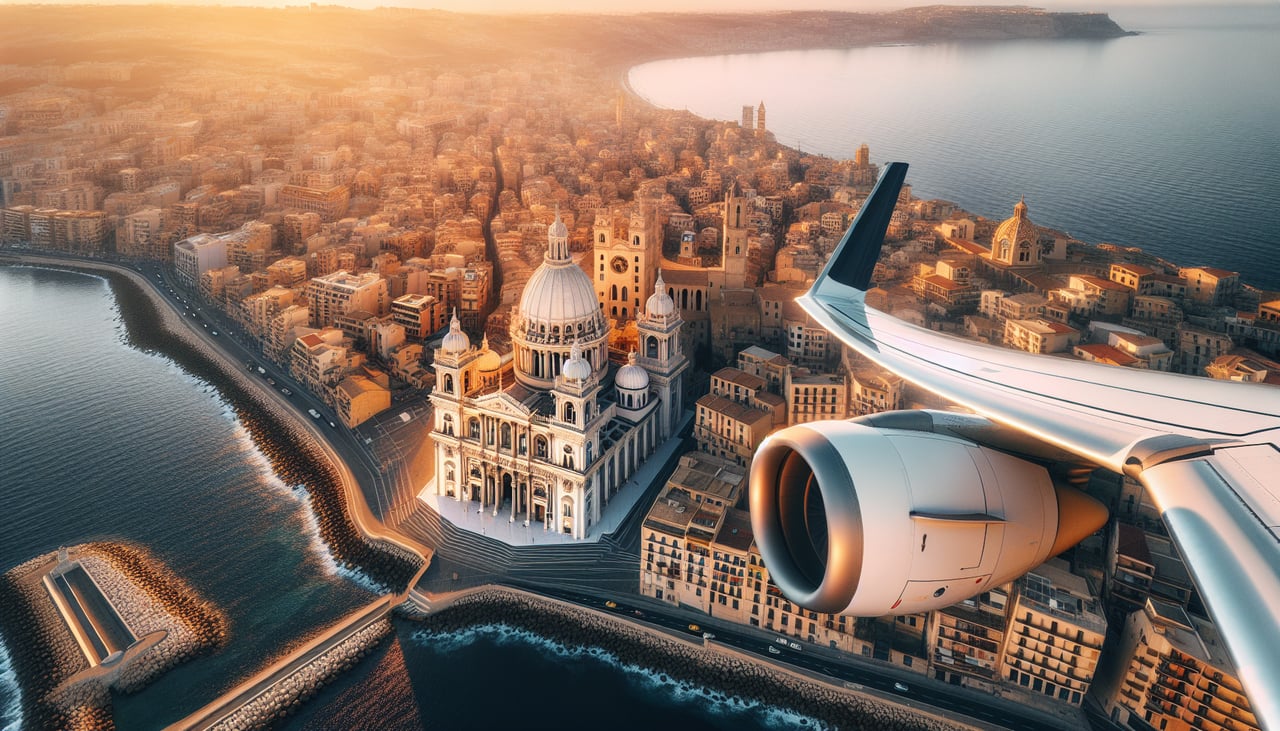
Takeoff from BCN
RIGHTRight side captures Barcelona's Mediterranean coastline and the city's harbor during initial climb. The left side faces inland toward the Catalan interior with less immediate visual interest during departure.
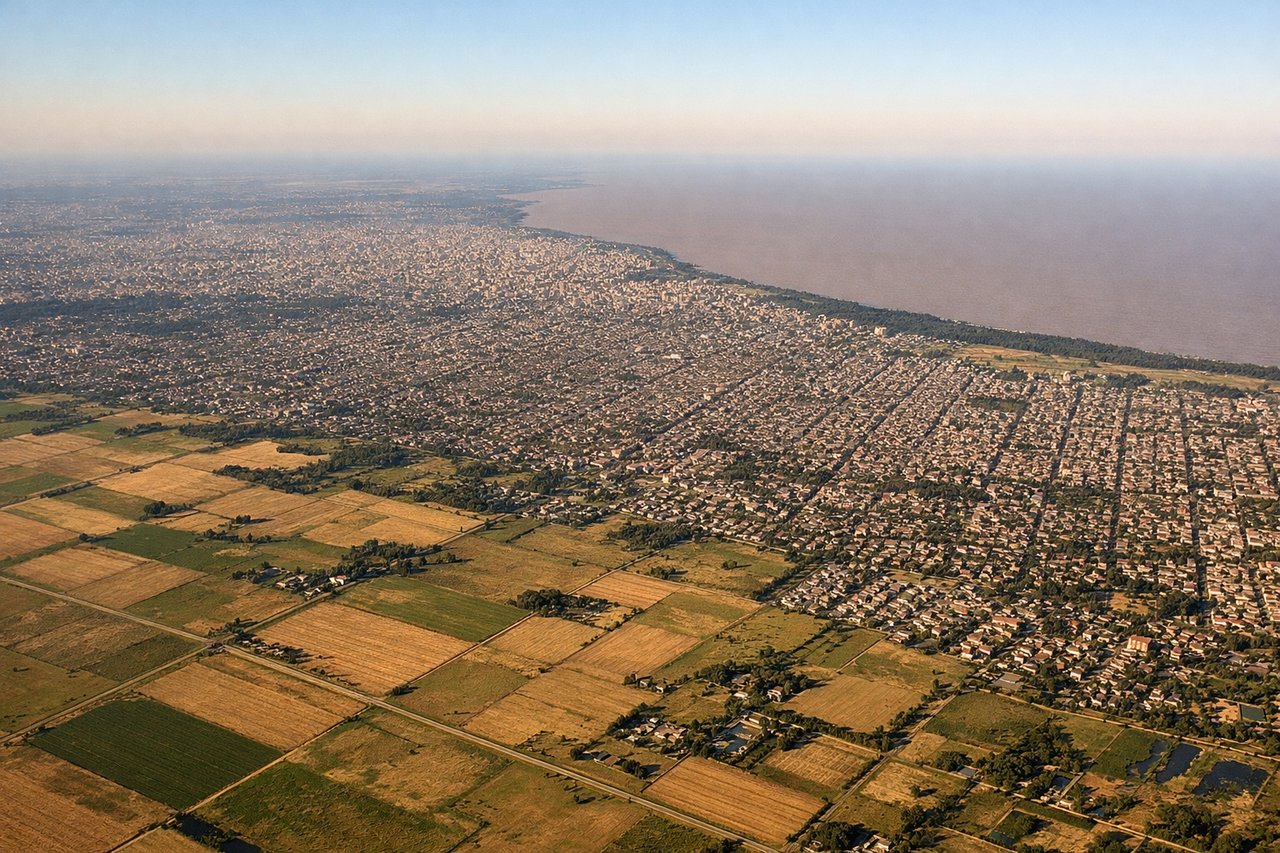
Landing at EZE
RIGHTRight side offers views of the Río de la Plata estuary and Buenos Aires' waterfront during approach and descent. The left side faces inland toward the flat pampas with minimal visual distinction during final approach.
Will your flight be in sunlight?
See exactly which side of the plane gets sun and shade at your departure time.
About This Route
Which side of the plane should I sit on flying from Barcelona (BCN) to Ezeiza Ministro Pistarini (EZE)?
Sit on the Right side of the plane for the best views on flights from Barcelona to Buenos Aires. Right side scores higher due to superior scenic content at both departure and arrival. Barcelona's Mediterranean coastline and harbor provide engaging visual interest during takeoff, while the Río de la Plata estuary and Buenos Aires waterfront deliver distinctive scenery during descent and approach. The left side faces inland terrain that is less visually distinctive at both ends of the flight.
What can I see during takeoff from Barcelona in Barcelona?
During takeoff from Barcelona (BCN), sit on the Right side for the best views. Right side captures Barcelona's Mediterranean coastline and the city's harbor during initial climb. The left side faces inland toward the Catalan interior with less immediate visual interest during departure. Notable sights include: Barcelona harbor and breakwaters, Mediterranean Sea extending to the horizon, Montjuïc hill with its distinctive profile.
What can I see when landing at Ezeiza Ministro Pistarini in Buenos Aires?
When landing at Ezeiza Ministro Pistarini (EZE), sit on the Right side for the best views. Right side offers views of the Río de la Plata estuary and Buenos Aires' waterfront during approach and descent. The left side faces inland toward the flat pampas with minimal visual distinction during final approach. Notable sights include: Río de la Plata estuary with its distinctive muddy-brown coloration, Buenos Aires waterfront and port infrastructure, the city's grid pattern extending inland.
How long is the flight from Barcelona to Buenos Aires?
The flight from Barcelona (BCN) to Ezeiza Ministro Pistarini (EZE) takes 11h 15m.
What does the Barcelona to Buenos Aires flight path pass over?
The flight crosses the Atlantic Ocean for approximately 5.5 hours with minimal visual landmarks. The route passes over the Azores region (though typically at cruise altitude where individual islands are small on the horizon), then continues over open Atlantic. Upon approaching South America, the Brazilian coast becomes visible, with the mouth of the Amazon River and the Atlantic coastline of northeastern Brazil appearing during descent into Argentine airspace. The flight path generally follows a great-circle route southwest across the Atlantic, with no significant mountain ranges or dramatic terrain visible during the cruise phase.