While takeoff favors the right, the landing view from the left is significantly more dramatic—the Andes approach and Rimac River valley provide far more compelling geography than the ocean-facing right side during descent. The landing experience outweighs the takeoff advantage.
Flight Path
The flight crosses the Atlantic over open ocean for roughly 6-7 hours, passing south of the Azores and Cape Verde regions (not visible at cruise altitude). Upon reaching South America, the Amazon Basin becomes visible as vast green terrain with river systems visible in clear conditions. The flight then transitions over the Brazilian highlands and into the Andes approach zone. The most notable midpoint feature is the transition from Atlantic crossing to the South American continent, with the Amazon drainage basin visible as a massive green expanse before the terrain rises toward the Andes. Clear-air visibility can extend 100+ nautical miles at cruise altitude, allowing views of major river systems and the continental shelf transition.
Great circle distance and headings ›


Phase by phase

Takeoff from BCN
RIGHTBarcelona typically departs runway 07L/R heading northeast. Right-side seats offer views of the Mediterranean coast, the city sprawl, and the Collserola mountain range inland. Left seats face inland immediately over urban development with less dramatic scenery.
Landing at LIM
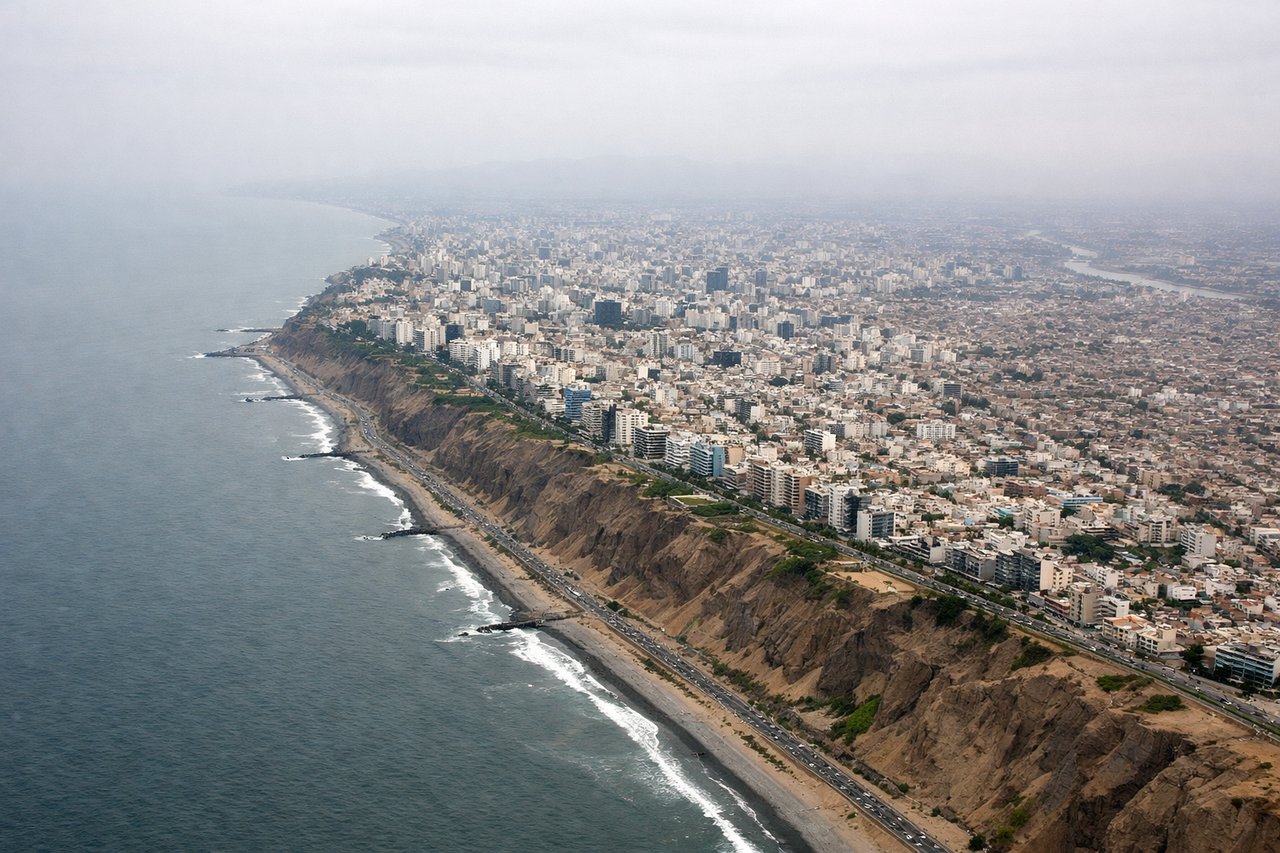
LEFTLima approaches from the south over the Pacific, typically using runways 03L/R heading north. Left-side seats provide views of the Andes foothills, the Rimac River valley, and the approach path over Lima's southern districts. Right seats face out over the ocean with less geographic interest during descent.
Landmarks on this routeAll landmarks →
Will your flight be in sunlight?
See exactly which side of the plane gets sun and shade at your departure time.
About This Route
Which side of the plane should I sit on flying from Barcelona (BCN) to Jorge Chávez International Airport (LIM)?
Sit on the Left side of the plane for the best views on flights from Barcelona to Lima. While takeoff favors the right, the landing view from the left is significantly more dramatic—the Andes approach and Rimac River valley provide far more compelling geography than the ocean-facing right side during descent. The landing experience outweighs the takeoff advantage.
What can I see during takeoff from Barcelona in Barcelona?
During takeoff from Barcelona (BCN), sit on the Right side for the best views. Barcelona typically departs runway 07L/R heading northeast. Right-side seats offer views of the Mediterranean coast, the city sprawl, and the Collserola mountain range inland. Left seats face inland immediately over urban development with less dramatic scenery. Notable sights include: Mediterranean Sea (immediate coastline), Barcelona urban grid and port facilities, Collserola mountain range (inland to the west), Montjuïc hill (distinctive elevated terrain southwest of city center).
What can I see when landing at Jorge Chávez International Airport in Lima?
When landing at Jorge Chávez International Airport (LIM), sit on the Left side for the best views. Lima approaches from the south over the Pacific, typically using runways 03L/R heading north. Left-side seats provide views of the Andes foothills, the Rimac River valley, and the approach path over Lima's southern districts. Right seats face out over the ocean with less geographic interest during descent. Notable sights include: Pacific Ocean (immediate approach corridor), Andes mountain range (eastern horizon, snow-capped peaks visible in clear conditions), Rimac River valley (cutting through the landscape), Lima's urban sprawl and surrounding desert terrain.
How long is the flight from Barcelona to Lima?
The flight from Barcelona (BCN) to Jorge Chávez International Airport (LIM) takes Approximately 12.5 to 13 hours.
What does the Barcelona to Lima flight path pass over?
The flight crosses the Atlantic over open ocean for roughly 6-7 hours, passing south of the Azores and Cape Verde regions (not visible at cruise altitude). Upon reaching South America, the Amazon Basin becomes visible as vast green terrain with river systems visible in clear conditions. The flight then transitions over the Brazilian highlands and into the Andes approach zone. The most notable midpoint feature is the transition from Atlantic crossing to the South American continent, with the Amazon drainage basin visible as a massive green expanse before the terrain rises toward the Andes. Clear-air visibility can extend 100+ nautical miles at cruise altitude, allowing views of major river systems and the continental shelf transition.