Both sides score equally for the full flight due to the long ocean crossing (11+ hours) that dominates the cruise phase with minimal scenic variation on either side. However, the right side edges ahead for the landing experience: Montevideo's approach over the Río de la Plata estuary and waterfront provides more distinctive visual interest than Barcelona's departure over the Mediterranean. The estuary's muddy-brown waters, the city's harbor, and the Rambla create a more memorable arrival sequence than the relatively standard Mediterranean departure.
Flight Path
The flight crosses the Atlantic Ocean for approximately 9 hours with minimal landmarks. Notable waypoints include the Iberian Peninsula's western coast (Portugal) visible during initial climb, the Azores archipelago (if passing nearby at cruise altitude—typically 35,000+ feet, islands appear as small specks), and the South American continent approaching Montevideo. The vast majority of the cruise phase is open Atlantic Ocean with no visible terrain features.
Great circle distance and headings ›


Phase by phase
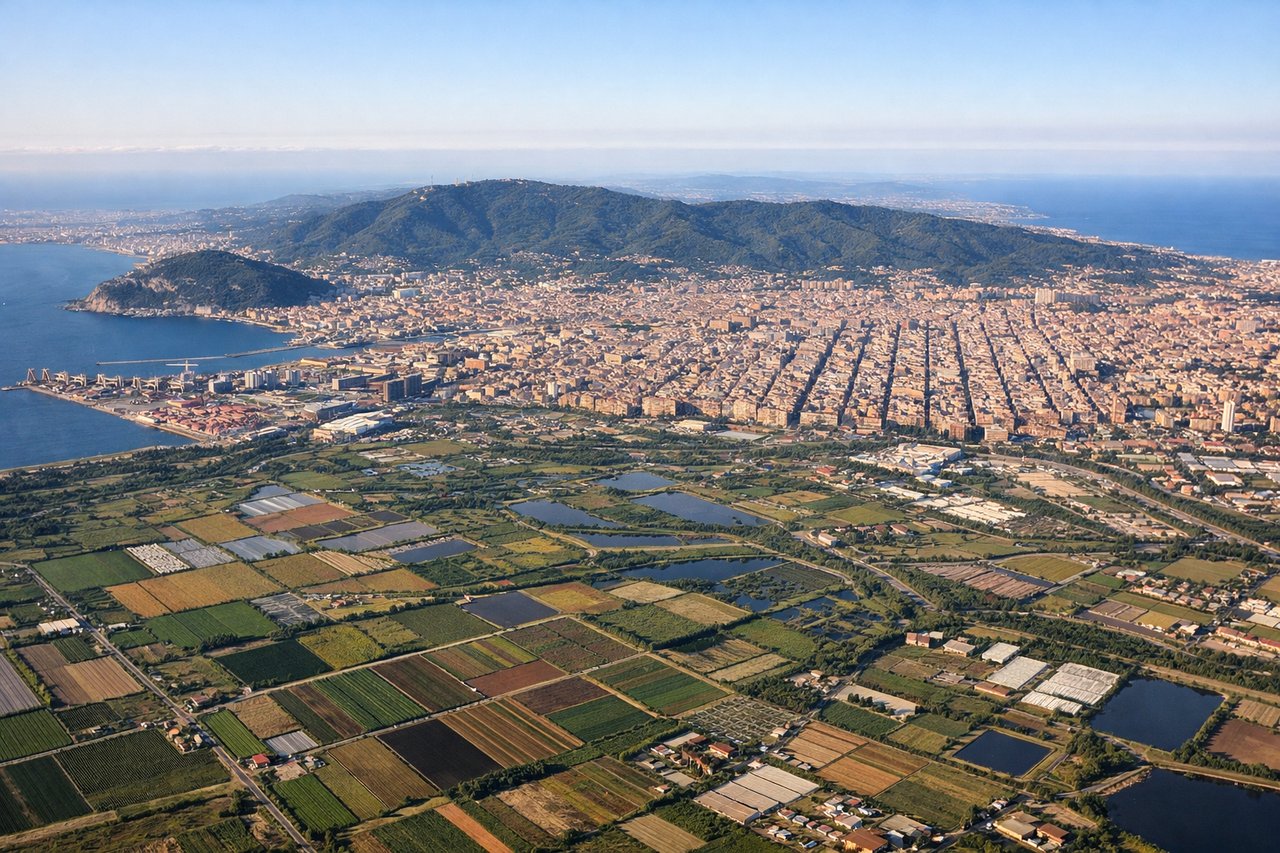
Takeoff from BCN
LEFTBarcelona's Mediterranean coastline and urban harbor are visible during initial climb on the left side. The city sprawls inland from the coast, and departures typically turn south or southeast, offering views of the Catalan coast, beaches, and the transition from urban Barcelona to the Mediterranean Sea.
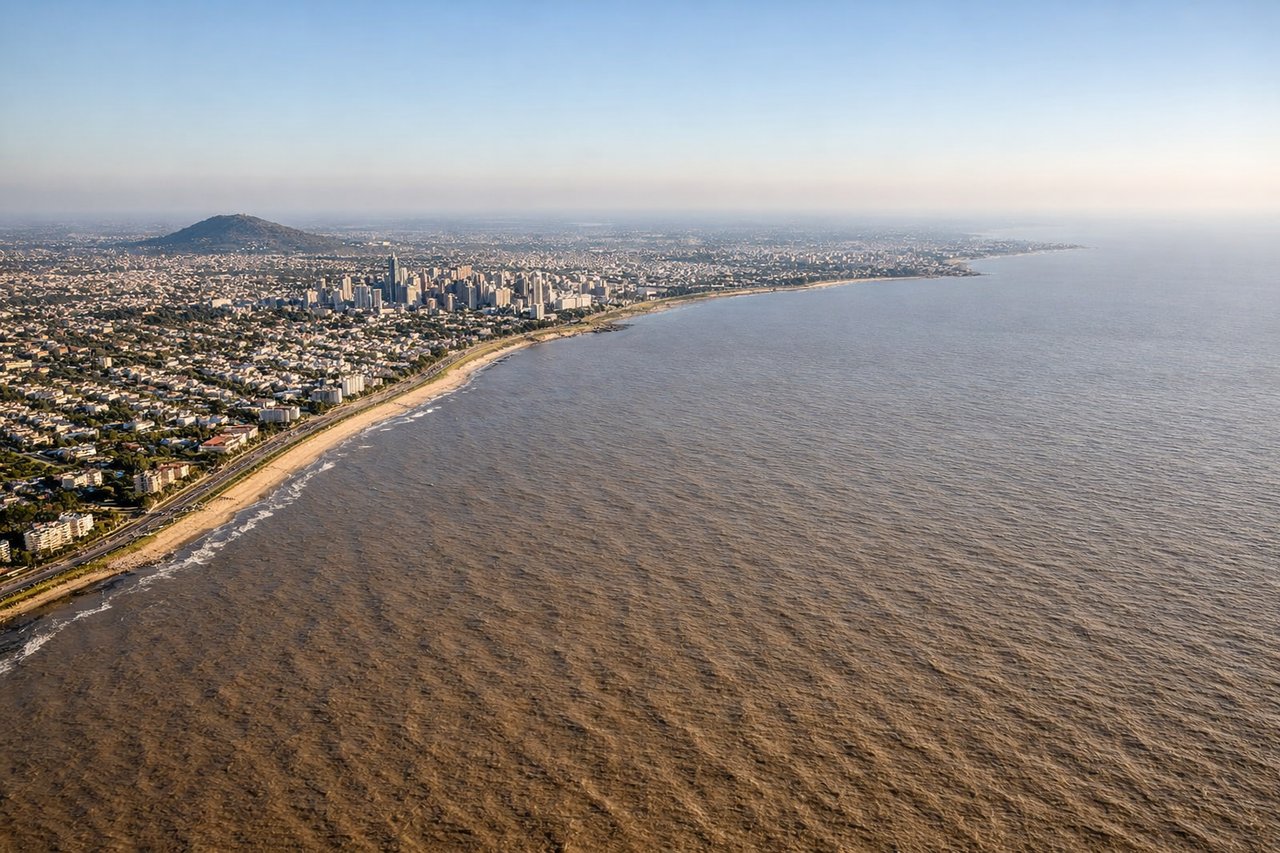
Landing at MVD
RIGHTMontevideo's approach over the Río de la Plata estuary offers distinctive water and urban scenery. Runway 25 (the primary landing runway) typically requires a descent from the northeast, bringing the aircraft over the wide estuary. The right side captures the Río de la Plata's broad waters, the city's waterfront, and the transition from water to the urban landscape of Montevideo.
Landmarks on this routeAll landmarks →
Will your flight be in sunlight?
See exactly which side of the plane gets sun and shade at your departure time.
About This Route
Which side of the plane should I sit on flying from Barcelona (BCN) to Carrasco International (MVD)?
Sit on the Right side of the plane for the best views on flights from Barcelona to Montevideo. Both sides score equally for the full flight due to the long ocean crossing (11+ hours) that dominates the cruise phase with minimal scenic variation on either side. However, the right side edges ahead for the landing experience: Montevideo's approach over the Río de la Plata estuary and waterfront provides more distinctive visual interest than Barcelona's departure over the Mediterranean. The estuary's muddy-brown waters, the city's harbor, and the Rambla create a more memorable arrival sequence than the relatively standard Mediterranean departure.
What can I see during takeoff from Barcelona in Barcelona?
During takeoff from Barcelona (BCN), sit on the Left side for the best views. Barcelona's Mediterranean coastline and urban harbor are visible during initial climb on the left side. The city sprawls inland from the coast, and departures typically turn south or southeast, offering views of the Catalan coast, beaches, and the transition from urban Barcelona to the Mediterranean Sea. Notable sights include: Barcelona harbor and Montjuïc district, Mediterranean coastline south of Barcelona, Catalan coastal towns (Castelldefels, Sitges visible in distance).
What can I see when landing at Carrasco International in Montevideo?
When landing at Carrasco International (MVD), sit on the Right side for the best views. Montevideo's approach over the Río de la Plata estuary offers distinctive water and urban scenery. Runway 25 (the primary landing runway) typically requires a descent from the northeast, bringing the aircraft over the wide estuary. The right side captures the Río de la Plata's broad waters, the city's waterfront, and the transition from water to the urban landscape of Montevideo. Notable sights include: Río de la Plata estuary (wide, muddy-brown waters), Montevideo's Old City and harbor district, Punta Carretas peninsula, Rambla waterfront promenade.
How long is the flight from Barcelona to Montevideo?
The flight from Barcelona (BCN) to Carrasco International (MVD) takes 11h 15m.
What does the Barcelona to Montevideo flight path pass over?
The flight crosses the Atlantic Ocean for approximately 9 hours with minimal landmarks. Notable waypoints include the Iberian Peninsula's western coast (Portugal) visible during initial climb, the Azores archipelago (if passing nearby at cruise altitude—typically 35,000+ feet, islands appear as small specks), and the South American continent approaching Montevideo. The vast majority of the cruise phase is open Atlantic Ocean with no visible terrain features.