The westbound transatlantic routing from Seattle to Rome favors left-side seating for the most dramatic scenery: Mount Rainier and the Cascades at takeoff, the North Atlantic coastlines of Canada and Greenland during cruise, and the Alps and Mediterranean approaches during descent into Rome.
Flight Path
The flight path crosses the North Atlantic, passing north of Newfoundland and Labrador, over Greenland's ice sheet and coastal fjords, across Iceland's volcanic landscape, over the Norwegian Sea, past the British Isles, across the English Channel and France, over the Alps (Mont Blanc visible on clear days), and down the Rhône Valley toward the Mediterranean coast before turning southeast toward Rome.
Great circle distance and headings ›
.jpg?width=600)


.jpg?width=600)

.jpg?width=600)

Phase by phase
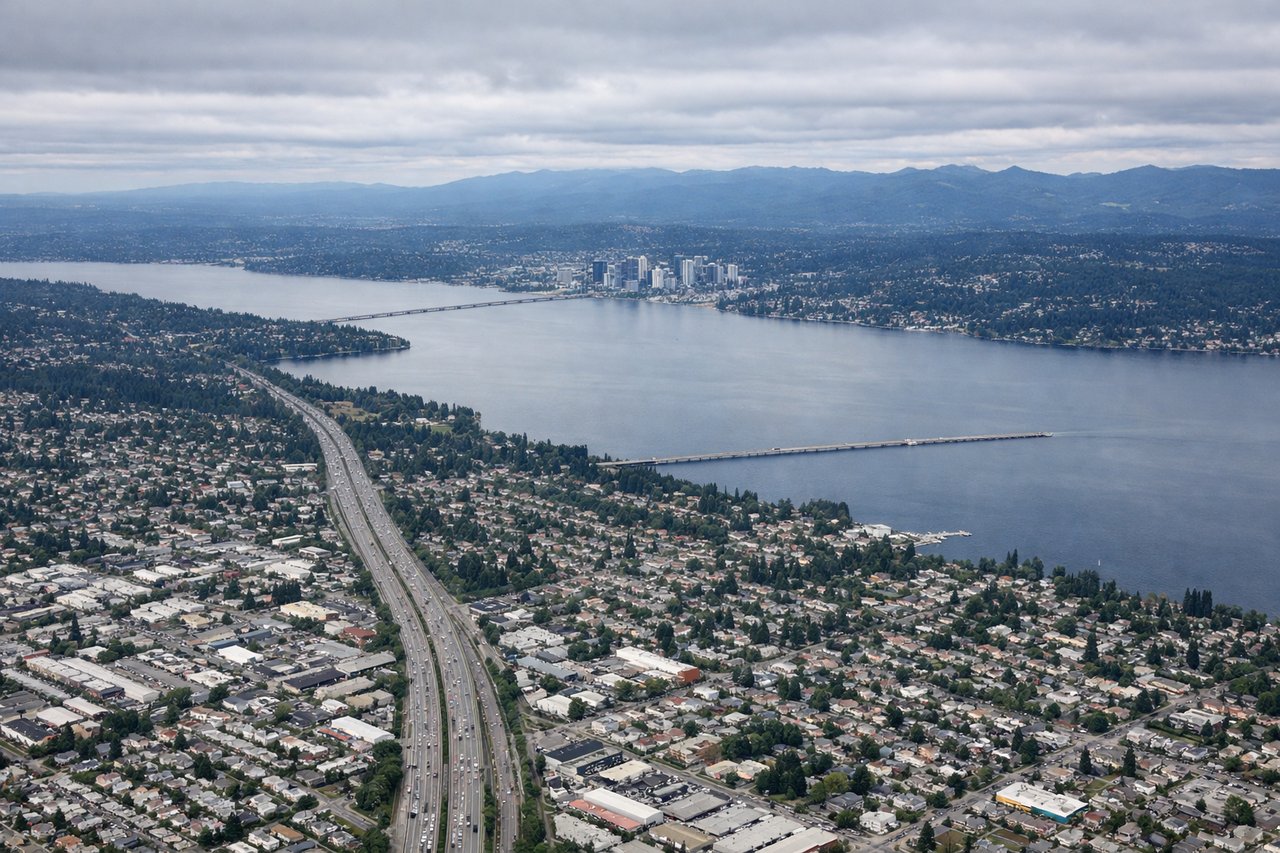
Takeoff from BFI
LEFTLeft side offers views of the Cascade Range and Mount Rainier during the initial climb-out heading east-northeast over Washington State. Right side faces the Puget Sound and Olympic Mountains, but the Cascades dominate the eastern horizon and provide more dramatic relief.
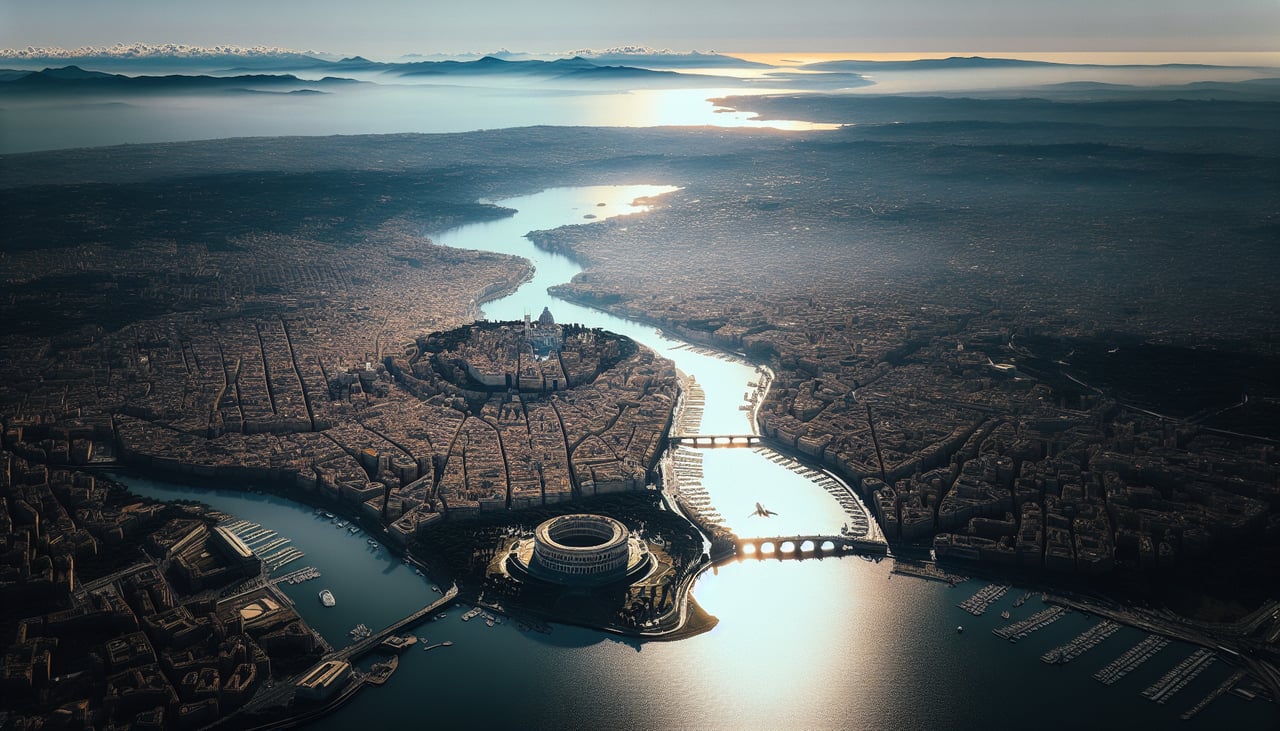
Landing at FCO
RIGHTRight side provides views of the Tiber River, the Apennine Mountains to the east, and the approach into Fiumicino from the west over the Tyrrhenian Sea. The descent path typically brings Rome's urban sprawl and surrounding countryside into view on the right side.
Landmarks on this routeAll landmarks →
Will your flight be in sunlight?
See exactly which side of the plane gets sun and shade at your departure time.
About This Route
Which side of the plane should I sit on flying from Boeing Fld King Co International (BFI) to Fiumicino (FCO)?
Sit on the Left side of the plane for the best views on flights from Seattle to Rome. The westbound transatlantic routing from Seattle to Rome favors left-side seating for the most dramatic scenery: Mount Rainier and the Cascades at takeoff, the North Atlantic coastlines of Canada and Greenland during cruise, and the Alps and Mediterranean approaches during descent into Rome.
What can I see during takeoff from Boeing Fld King Co International in Seattle?
During takeoff from Boeing Fld King Co International (BFI), sit on the Left side for the best views. Left side offers views of the Cascade Range and Mount Rainier during the initial climb-out heading east-northeast over Washington State. Right side faces the Puget Sound and Olympic Mountains, but the Cascades dominate the eastern horizon and provide more dramatic relief. Notable sights include: Mount Rainier (14,411 ft), Cascade Range, Puget Sound, Lake Washington.
What can I see when landing at Fiumicino in Rome?
When landing at Fiumicino (FCO), sit on the Right side for the best views. Right side provides views of the Tiber River, the Apennine Mountains to the east, and the approach into Fiumicino from the west over the Tyrrhenian Sea. The descent path typically brings Rome's urban sprawl and surrounding countryside into view on the right side. Notable sights include: Tiber River valley, Apennine Mountains, Roman countryside and agricultural plains, Fiumicino airport and coastal marshlands.
How long is the flight from Seattle to Rome?
The flight from Boeing Fld King Co International (BFI) to Fiumicino (FCO) takes 9h 45m.
What does the Seattle to Rome flight path pass over?
The flight path crosses the North Atlantic, passing north of Newfoundland and Labrador, over Greenland's ice sheet and coastal fjords, across Iceland's volcanic landscape, over the Norwegian Sea, past the British Isles, across the English Channel and France, over the Alps (Mont Blanc visible on clear days), and down the Rhône Valley toward the Mediterranean coast before turning southeast toward Rome.