Seattle to Seoul is 5,200 miles (8,368 km), a flight of about 11 hours.
Takeoff from BFI on the right side provides superior views of the Cascade Range and Mount Rainier, which are the most dramatic geographic features visible from this route. While landing views favor the left, the takeoff experience is more visually rewarding.
Flight Path
The flight path crosses the North Pacific Ocean. Notable geographic features include: the Aleutian Islands (visible on clear days, roughly 4-5 hours into flight), the Bering Sea to the north, and the Kamchatka Peninsula (far northern horizon). As you approach East Asia, the Japanese archipelago becomes visible—Hokkaido and Honshu appear on the southern horizon approximately 1-2 hours before landing. The flight passes east of Japan and approaches the Korean peninsula from the northwest over the Yellow Sea.
Great circle distance and headings ›Phase by phase
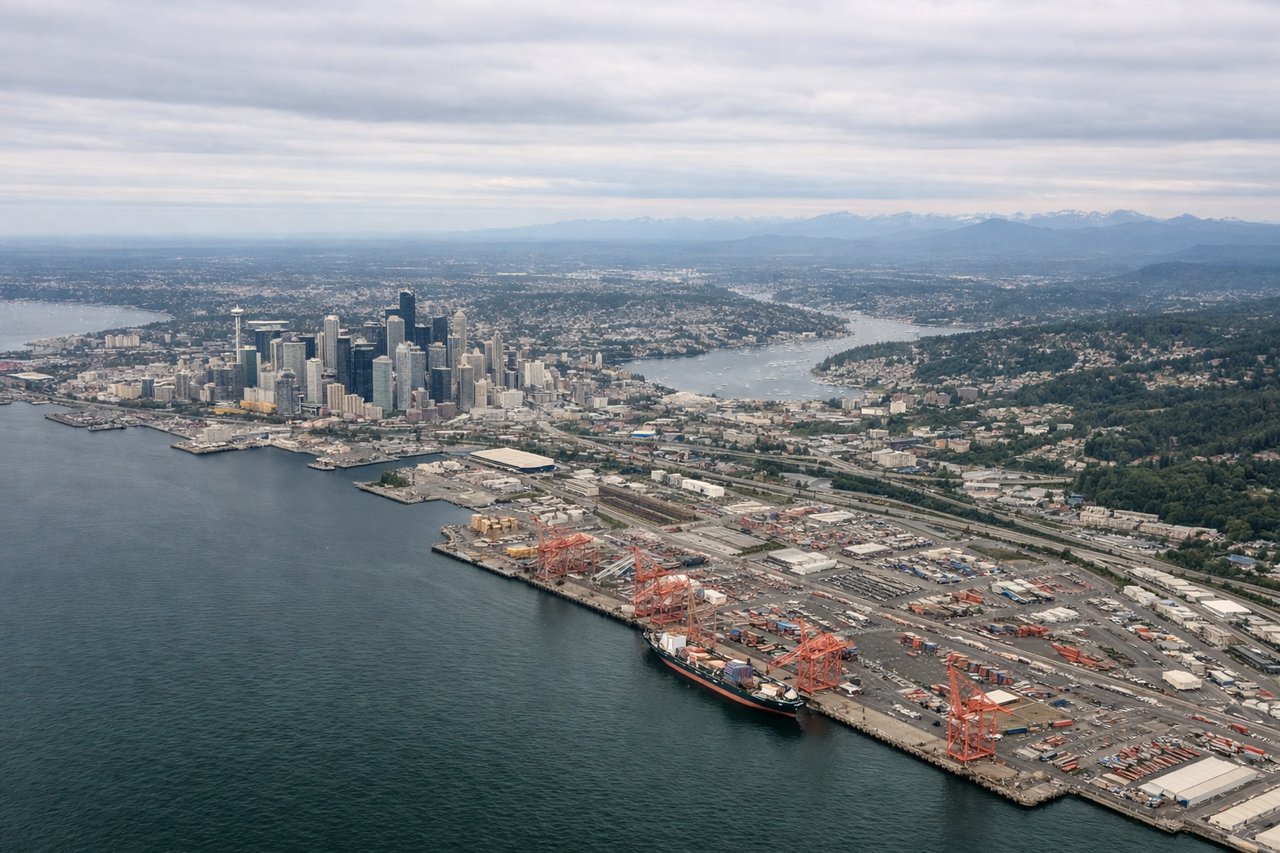
Takeoff from BFI
RIGHTBFI typically departs to the north or northeast. Right-side seats capture the Cascade Range rising dramatically to the east, with Mount Rainier visible on clear days roughly 50 miles southeast. You'll also see the Seattle urban sprawl and Elliott Bay to the west as you climb.
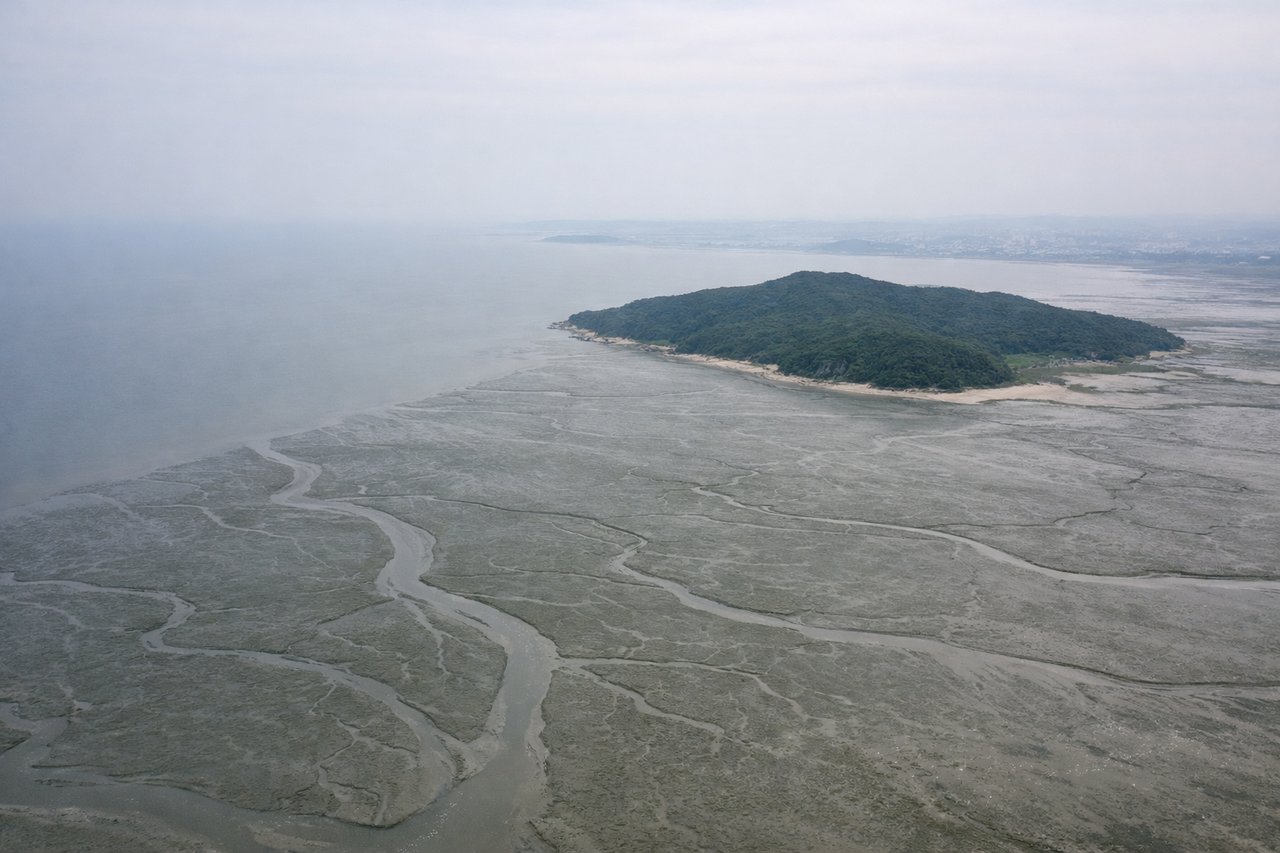
Landing at ICN
LEFTIncheon International typically uses runways aligned roughly north-south. On approach from the northwest, left-side seats offer views of the Yellow Sea, the Incheon waterfront development, and the bridge infrastructure connecting the airport island to the mainland. You'll see the Han River estuary and Seoul's northern districts as you descend.
Landmarks on this routeAll landmarks →
Will your flight be in sunlight?
Pick a date and time in the Sun Map to watch the sun move across your whole flight.
About This Route
Which side of the plane should I sit on flying from Boeing Fld King Co International (BFI) to Incheon International (ICN)?
Sit on the Right side of the plane for the best views on flights from Seattle to Seoul. Takeoff from BFI on the right side provides superior views of the Cascade Range and Mount Rainier, which are the most dramatic geographic features visible from this route. While landing views favor the left, the takeoff experience is more visually rewarding.
What can I see during takeoff from Boeing Fld King Co International in Seattle?
During takeoff from Boeing Fld King Co International (BFI), sit on the Right side for the best views. BFI typically departs to the north or northeast. Right-side seats capture the Cascade Range rising dramatically to the east, with Mount Rainier visible on clear days roughly 50 miles southeast. You'll also see the Seattle urban sprawl and Elliott Bay to the west as you climb. Notable sights include: Cascade Range (eastern horizon), Mount Rainier (distant southeast peak), Elliott Bay (western water body), Seattle downtown district (urban grid below).
What can I see when landing at Incheon International in Seoul?
When landing at Incheon International (ICN), sit on the Left side for the best views. Incheon International typically uses runways aligned roughly north-south. On approach from the northwest, left-side seats offer views of the Yellow Sea, the Incheon waterfront development, and the bridge infrastructure connecting the airport island to the mainland. You'll see the Han River estuary and Seoul's northern districts as you descend. Notable sights include: Yellow Sea (western water body), Incheon Bridge and airport causeway (infrastructure), Han River estuary (northern water feature), Seoul urban area (distant northeastern sprawl).
How long is the flight from Seattle to Seoul?
The flight from Boeing Fld King Co International (BFI) to Incheon International (ICN) takes about 11 hours. The shortest flight path between them is 5,200 miles (8,368 km); winds and air traffic control usually add a few percent.
What does the Seattle to Seoul flight path pass over?
The flight path crosses the North Pacific Ocean. Notable geographic features include: the Aleutian Islands (visible on clear days, roughly 4-5 hours into flight), the Bering Sea to the north, and the Kamchatka Peninsula (far northern horizon). As you approach East Asia, the Japanese archipelago becomes visible—Hokkaido and Honshu appear on the southern horizon approximately 1-2 hours before landing. The flight passes east of Japan and approaches the Korean peninsula from the northwest over the Yellow Sea.