Right side scores higher (3.5 vs 2.5) due to superior urban scenery at both ends of the flight. Seattle's waterfront and Puget Sound departure combined with London's Thames and Docklands arrival provide more landmark density and visual interest than the left side's views of open water and distant terrain. The right side captures the most recognizable and dramatic features of both cities.
Flown BFI to LCY? Did we get it right?
Flight Path
Seattle to London is 4,793 miles (7,713 km), a flight of about 9 hours 15 minutes.
North Atlantic crossing dominates the middle 6+ hours with open ocean. Notable waypoints include: Greenland's southern coast (Davis Strait area) visible during northbound climb if weather permits; the Mid-Atlantic Ridge region (no surface features); Irish coast and Celtic Sea on approach to UK airspace; potential views of Iceland's southern coast if routing passes nearby on certain wind patterns. The vast majority of cruise is featureless open ocean with no landmarks visible.
Great circle distance and headings ›Phase by phase
Takeoff from BFI
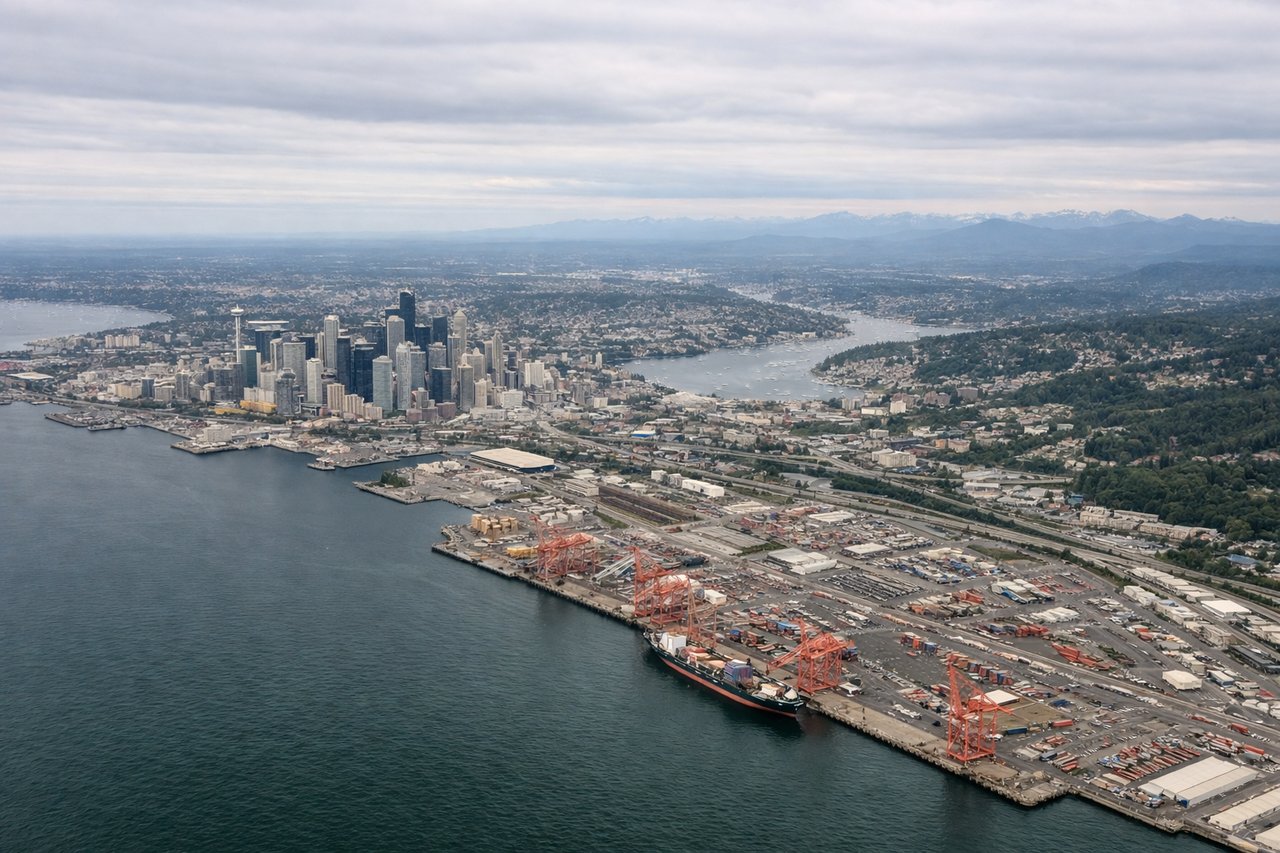
RIGHTRight side captures Seattle's urban waterfront and Puget Sound during departure. With runway 14 favored (southeast heading), right-side passengers see Elliott Bay, downtown Seattle skyline, and the Cascade Range rising to the east before the aircraft banks northward over the Sound.
Landing at LCY
RIGHTRight side offers superior London arrival views. With runway 27 favored (westbound landing), right-side passengers descend over the Thames, seeing the Docklands, Tower Bridge, and central London landmarks. The approach path over the river and East London provides continuous urban scenery all the way to touchdown.
Will your flight be in sunlight?
Pick a date and time in the Sun Map to watch the sun move across your whole flight.
About This Route
Which side of the plane should I sit on flying from Boeing Fld King Co International (BFI) to City (LCY)?
Sit on the Right side of the plane for the best views on flights from Seattle to London. Right side scores higher (3.5 vs 2.5) due to superior urban scenery at both ends of the flight. Seattle's waterfront and Puget Sound departure combined with London's Thames and Docklands arrival provide more landmark density and visual interest than the left side's views of open water and distant terrain. The right side captures the most recognizable and dramatic features of both cities.
What can I see during takeoff from Boeing Fld King Co International in Seattle?
During takeoff from Boeing Fld King Co International (BFI), sit on the Right side for the best views. Right side captures Seattle's urban waterfront and Puget Sound during departure. With runway 14 favored (southeast heading), right-side passengers see Elliott Bay, downtown Seattle skyline, and the Cascade Range rising to the east before the aircraft banks northward over the Sound. Notable sights include: Elliott Bay and Seattle waterfront, Puget Sound, Cascade Range peaks, Lake Washington.
What can I see when landing at City in London?
When landing at City (LCY), sit on the Right side for the best views. Right side offers superior London arrival views. With runway 27 favored (westbound landing), right-side passengers descend over the Thames, seeing the Docklands, Tower Bridge, and central London landmarks. The approach path over the river and East London provides continuous urban scenery all the way to touchdown. Notable sights include: River Thames, Tower Bridge, Canary Wharf and Docklands, central London skyline.
How long is the flight from Seattle to London?
The flight from Boeing Fld King Co International (BFI) to City (LCY) takes about 9 hours 15 minutes. The shortest flight path between them is 4,793 miles (7,713 km); winds and air traffic control usually add a few percent.
What does the Seattle to London flight path pass over?
North Atlantic crossing dominates the middle 6+ hours with open ocean. Notable waypoints include: Greenland's southern coast (Davis Strait area) visible during northbound climb if weather permits; the Mid-Atlantic Ridge region (no surface features); Irish coast and Celtic Sea on approach to UK airspace; potential views of Iceland's southern coast if routing passes nearby on certain wind patterns. The vast majority of cruise is featureless open ocean with no landmarks visible.