While the takeoff offers dramatic mountain views, the landing approach into Oslo provides more sustained scenic interest with the Oslo Fjord's complex geography and the approach over water and forests. Left-side seats capture the most visually distinctive features during descent.
Flight Path
The flight path crosses the North Atlantic, passing over or near Greenland's eastern coast (if visible), the Norwegian Sea, and the Barents Sea region. Over the Atlantic, passengers may see the Greenland ice sheet's edge and coastal features. As the aircraft approaches Scandinavia, the Norwegian coast becomes visible with its characteristic fjord system. The flight typically follows a great-circle route across the Arctic regions, offering potential views of high-latitude ocean, pack ice conditions (seasonal), and eventually the Norwegian coastline with its complex fjord geography before descent into Oslo.
Great circle distance and headings ›.jpg?width=600)


Phase by phase

Takeoff from BFI
RIGHTRight-side seats offer views of the Cascade Range and Mount Rainier during the initial climb-out eastward from Seattle. The aircraft departs to the east over the Puget Sound region before turning north toward the Pacific and Arctic routes.
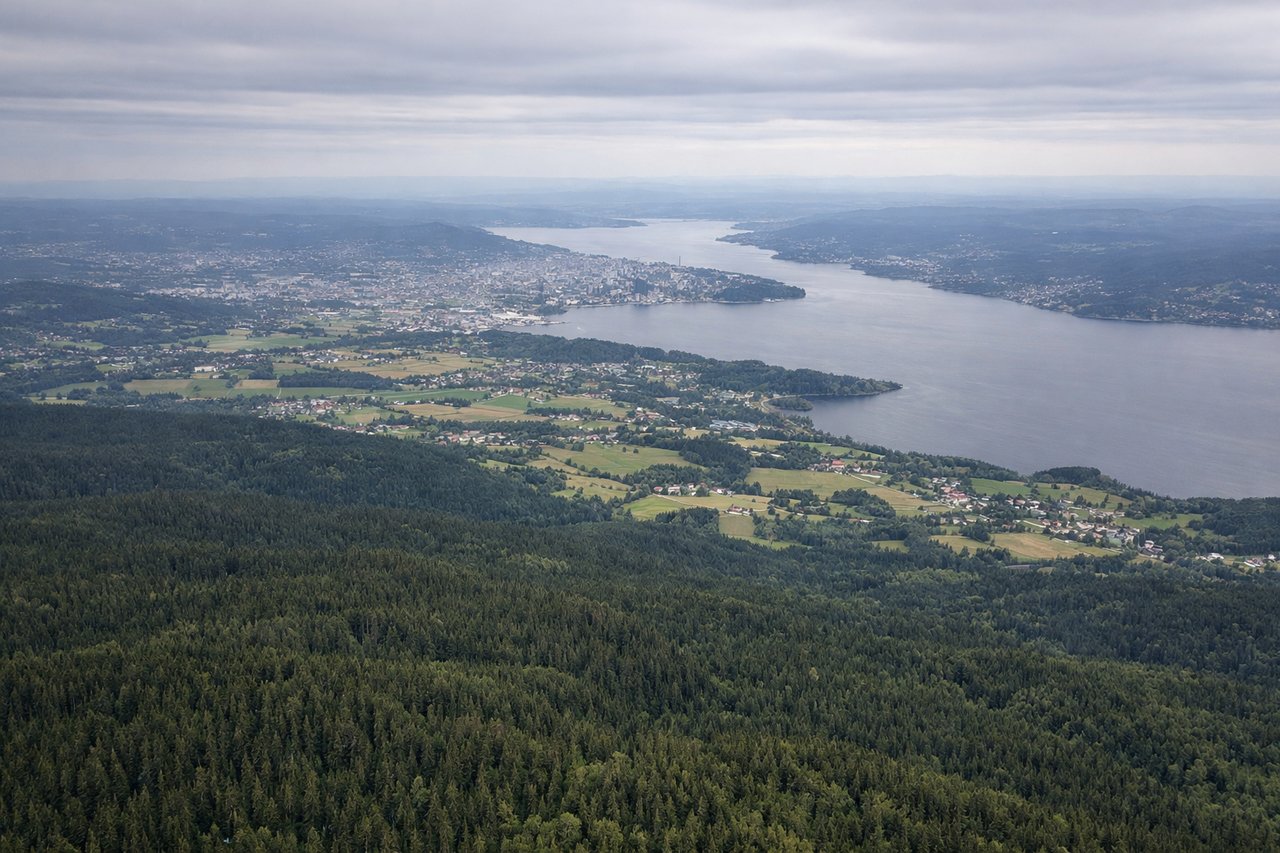
Landing at OSL
LEFTLeft-side seats provide excellent views during the descent into Oslo. The aircraft approaches from the southwest over the Oslo Fjord and surrounding forested terrain, with views of the fjord's complex waterways and the city's location on the peninsula.
Landmarks on this routeAll landmarks →
Will your flight be in sunlight?
See exactly which side of the plane gets sun and shade at your departure time.
About This Route
Which side of the plane should I sit on flying from Boeing Fld King Co International (BFI) to Oslo Gardermoen (OSL)?
Sit on the Left side of the plane for the best views on flights from Seattle to Oslo. While the takeoff offers dramatic mountain views, the landing approach into Oslo provides more sustained scenic interest with the Oslo Fjord's complex geography and the approach over water and forests. Left-side seats capture the most visually distinctive features during descent.
What can I see during takeoff from Boeing Fld King Co International in Seattle?
During takeoff from Boeing Fld King Co International (BFI), sit on the Right side for the best views. Right-side seats offer views of the Cascade Range and Mount Rainier during the initial climb-out eastward from Seattle. The aircraft departs to the east over the Puget Sound region before turning north toward the Pacific and Arctic routes. Notable sights include: Mount Rainier (14,411 ft, ~60 miles southeast), Cascade Range, Lake Washington, Puget Sound.
What can I see when landing at Oslo Gardermoen in Oslo?
When landing at Oslo Gardermoen (OSL), sit on the Left side for the best views. Left-side seats provide excellent views during the descent into Oslo. The aircraft approaches from the southwest over the Oslo Fjord and surrounding forested terrain, with views of the fjord's complex waterways and the city's location on the peninsula. Notable sights include: Oslo Fjord, Oslomark forest region, Bygdøy Peninsula, Norwegian coastal forests.
How long is the flight from Seattle to Oslo?
The flight from Boeing Fld King Co International (BFI) to Oslo Gardermoen (OSL) takes Approximately 9.5 to 10.5 hours.
What does the Seattle to Oslo flight path pass over?
The flight path crosses the North Atlantic, passing over or near Greenland's eastern coast (if visible), the Norwegian Sea, and the Barents Sea region. Over the Atlantic, passengers may see the Greenland ice sheet's edge and coastal features. As the aircraft approaches Scandinavia, the Norwegian coast becomes visible with its characteristic fjord system. The flight typically follows a great-circle route across the Arctic regions, offering potential views of high-latitude ocean, pack ice conditions (seasonal), and eventually the Norwegian coastline with its complex fjord geography before descent into Oslo.