While the takeoff offers coastal scenery, the landing approach into Philadelphia provides more dramatic and distinctive urban and river views. The Delaware River and downtown skyline create a more memorable visual experience than the Maine coastline departure.
Flown BGR to PHL? Did we get it right?
Flight Path
Bangor to Philadelphia is 473 miles (760 km), a flight of about 2 hours 15 minutes.
Hudson River valley and New York City area (if visible during cruise), Appalachian ridgelines in Pennsylvania, Delaware Water Gap region, transition from New England forests to Mid-Atlantic mixed terrain
Great circle distance and headings ›

Phase by phase
Takeoff from BGR
RIGHTRight-side seats offer views of Penobscot Bay and the Maine coastline as the aircraft climbs out over the Atlantic. The left side faces inland toward forested terrain with minimal visual interest during initial climb.
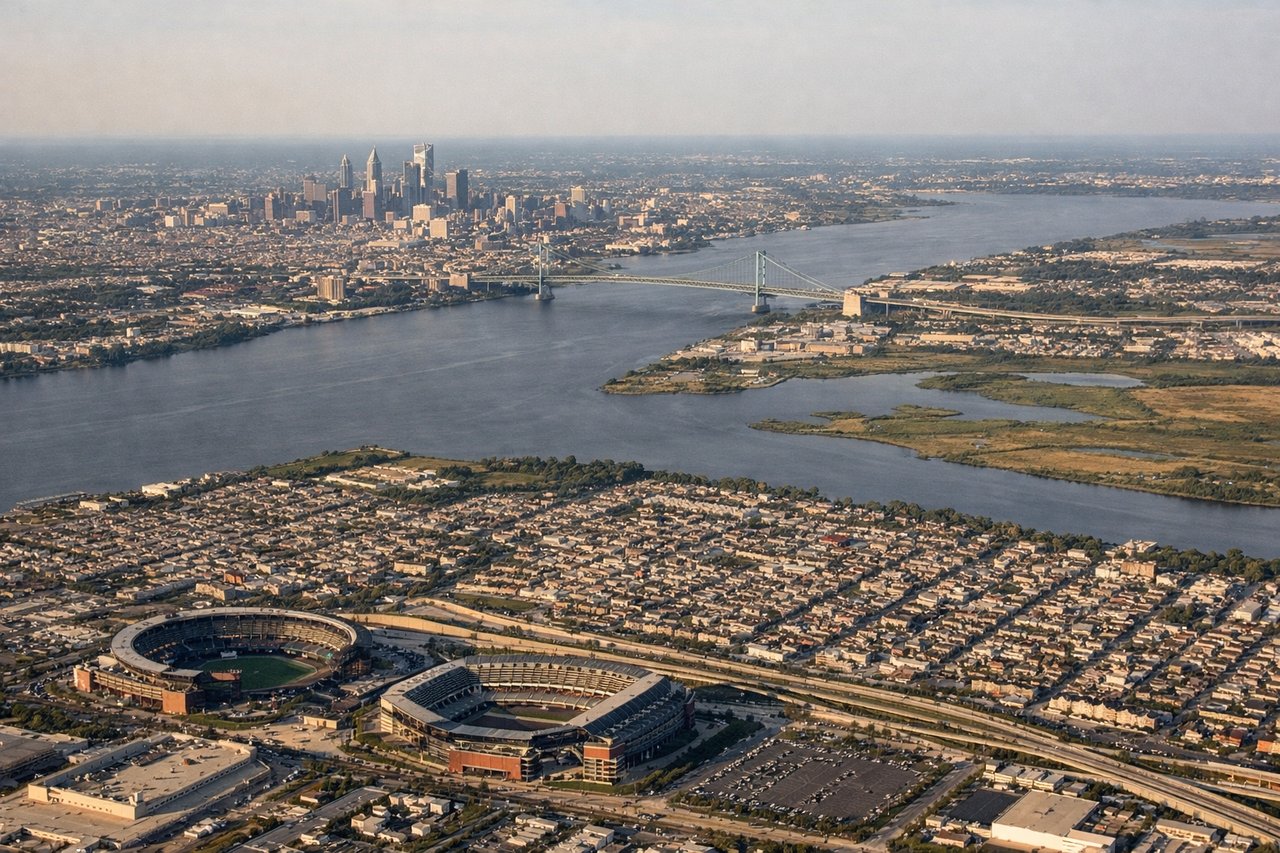
Landing at PHL
LEFTLeft-side seats provide views of the Delaware River, Philadelphia's downtown skyline, and the urban landscape as the aircraft descends into PHL. The right side faces New Jersey suburbs with less distinctive visual character during approach.
Will your flight be in sunlight?
Pick a date and time in the Sun Map to watch the sun move across your whole flight.
About This Route
Which side of the plane should I sit on flying from Bangor International (BGR) to Philadelphia International (PHL)?
Sit on the Left side of the plane for the best views on flights from Bangor to Philadelphia. While the takeoff offers coastal scenery, the landing approach into Philadelphia provides more dramatic and distinctive urban and river views. The Delaware River and downtown skyline create a more memorable visual experience than the Maine coastline departure.
What can I see during takeoff from Bangor International in Bangor?
During takeoff from Bangor International (BGR), sit on the Right side for the best views. Right-side seats offer views of Penobscot Bay and the Maine coastline as the aircraft climbs out over the Atlantic. The left side faces inland toward forested terrain with minimal visual interest during initial climb. Notable sights include: Penobscot Bay, Mount Desert Island, Atlantic coastline, Acadia National Park region.
What can I see when landing at Philadelphia International in Philadelphia?
When landing at Philadelphia International (PHL), sit on the Left side for the best views. Left-side seats provide views of the Delaware River, Philadelphia's downtown skyline, and the urban landscape as the aircraft descends into PHL. The right side faces New Jersey suburbs with less distinctive visual character during approach. Notable sights include: Delaware River, Philadelphia skyline and downtown core, Benjamin Franklin Bridge, Schuylkill River confluence.
How long is the flight from Bangor to Philadelphia?
The flight from Bangor International (BGR) to Philadelphia International (PHL) takes about 2 hours 15 minutes. The shortest flight path between them is 473 miles (760 km); winds and air traffic control usually add a few percent.
What does the Bangor to Philadelphia flight path pass over?
Hudson River valley and New York City area (if visible during cruise), Appalachian ridgelines in Pennsylvania, Delaware Water Gap region, transition from New England forests to Mid-Atlantic mixed terrain