The right side delivers the strongest visuals at both ends of this short flight: Belfast Lough and the city's shipyard cranes on departure, and the iconic Canary Wharf skyline over the Thames on arrival, while the left side offers comparatively unremarkable countryside during the same phases.
Flown BHD to LCY? Did we get it right?
Flight Path
Belfast to London is 327 miles (526 km), a flight of about 1 hour 15 minutes.
Crossing of the Irish Sea, with the hills of the Isle of Man sometimes visible off to the north, followed by the patchwork farmland of the English Midlands before the descent toward the Thames Estuary and London.
Great circle distance and headings ›

Phase by phase
Takeoff from BHD
RIGHTDeparting BHD on runway 22, the aircraft lifts off right alongside Belfast Lough and banks to turn southeast toward England, swinging the harbour, the Harland & Wolff shipyard cranes, and Cave Hill into view on the right side of the cabin. The left side mostly shows the flatter Down countryside with less to look at.
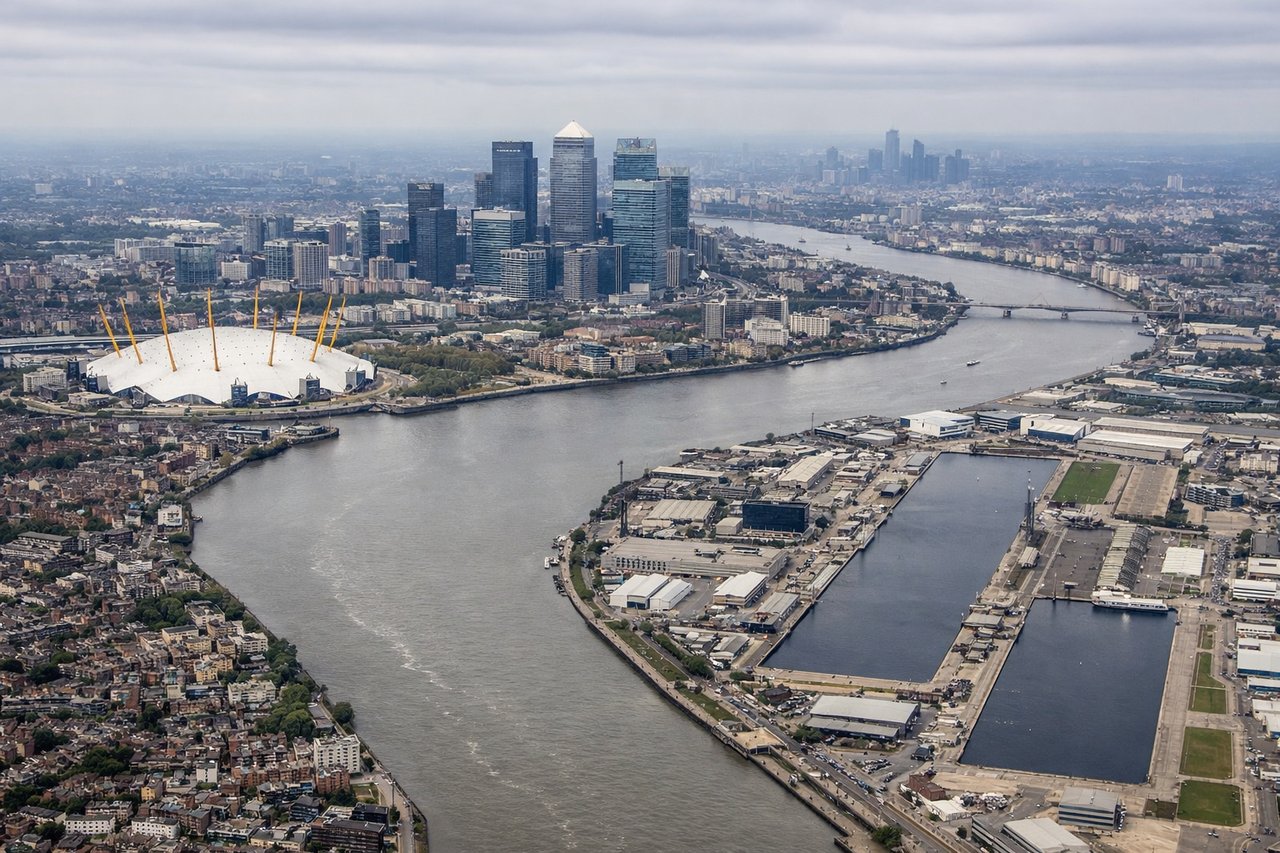
Landing at LCY
RIGHTLCY's runway 27 approach comes in from the east along the Thames Estuary, and on the right side of the aircraft passengers get a clear, close view north across the river to the glass towers of Canary Wharf and the Docklands as the plane descends low over the water for landing.
Will your flight be in sunlight?
Pick a date and time in the Sun Map to watch the sun move across your whole flight.
About This Route
Which side of the plane should I sit on flying from City (BHD) to City (LCY)?
Sit on the Right side of the plane for the best views on flights from Belfast to London. The right side delivers the strongest visuals at both ends of this short flight: Belfast Lough and the city's shipyard cranes on departure, and the iconic Canary Wharf skyline over the Thames on arrival, while the left side offers comparatively unremarkable countryside during the same phases.
What can I see during takeoff from City in Belfast?
During takeoff from City (BHD), sit on the Right side for the best views. Departing BHD on runway 22, the aircraft lifts off right alongside Belfast Lough and banks to turn southeast toward England, swinging the harbour, the Harland & Wolff shipyard cranes, and Cave Hill into view on the right side of the cabin. The left side mostly shows the flatter Down countryside with less to look at. Notable sights include: Belfast Lough, Harland & Wolff cranes (Samson and Goliath), Cave Hill, Belfast city skyline.
What can I see when landing at City in London?
When landing at City (LCY), sit on the Right side for the best views. LCY's runway 27 approach comes in from the east along the Thames Estuary, and on the right side of the aircraft passengers get a clear, close view north across the river to the glass towers of Canary Wharf and the Docklands as the plane descends low over the water for landing. Notable sights include: Canary Wharf skyscrapers, River Thames, Docklands, Thames Estuary.
How long is the flight from Belfast to London?
The flight from City (BHD) to City (LCY) takes about 1 hour 15 minutes. The shortest flight path between them is 327 miles (526 km); winds and air traffic control usually add a few percent.
What does the Belfast to London flight path pass over?
Crossing of the Irish Sea, with the hills of the Isle of Man sometimes visible off to the north, followed by the patchwork farmland of the English Midlands before the descent toward the Thames Estuary and London.