Barinas to Miami is 1,359 miles (2,187 km), a flight of about 4 hours.
While the takeoff offers Andean foothills on the right, the landing approach provides more visually distinctive and dramatic scenery—the Everglades and Florida Bay are iconic and unmistakable features. The left side captures the full transition from wetlands to urban Miami, making it the superior choice for the overall journey.
Flight Path
The flight path crosses the Caribbean Sea northward from Venezuela. Notable features include the Yucatán Peninsula (visible as a low landmass on the western horizon during mid-flight), the Yucatán Channel (the deep water passage between Cuba and Mexico), and Cuba itself (a long, narrow island visible on the left/western side during the northern portion of the flight). The Gulf of Mexico dominates the central portion of the flight, with open water and occasional cloud formations. As the aircraft approaches Florida, the Florida Keys appear as a thin chain of islands extending southwest from the mainland, followed by the Everglades and coastal features of southern Florida.
Great circle distance and headings ›Phase by phase
Takeoff from BNS
RIGHTRight-side seats offer views of the Andes foothills and the Barinas valley as the aircraft climbs northward. The terrain rises dramatically to the east, creating a clear visual reference during the initial climb-out.
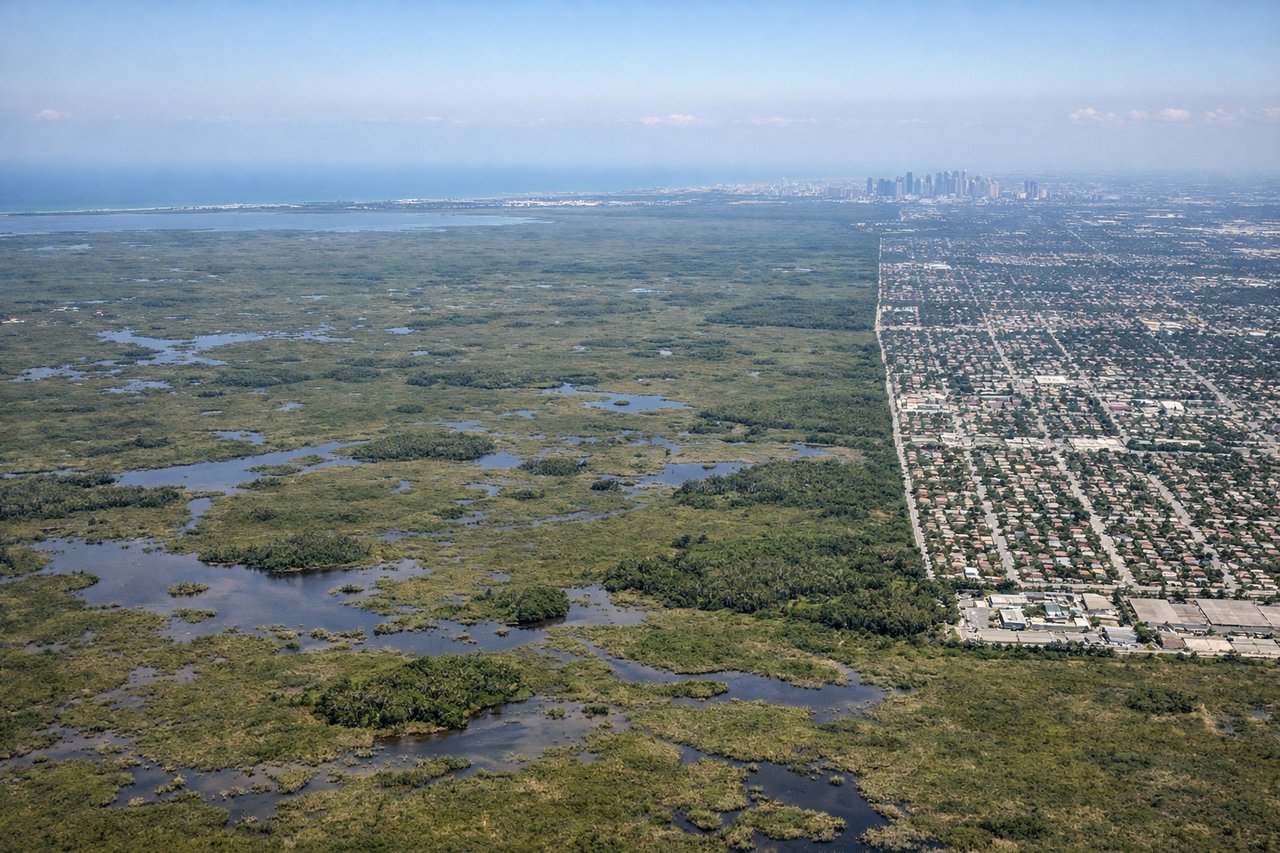
Landing at MIA
LEFTLeft-side seats provide views of the Everglades and Florida Bay as the aircraft descends toward Miami International. These wetlands and shallow water features are distinctive and visible during the final approach from the southwest.
Landmarks on this routeAll landmarks →
Will your flight be in sunlight?
Pick a date and time in the Sun Map to watch the sun move across your whole flight.
About This Route
Which side of the plane should I sit on flying from Barinas (BNS) to Miami International (MIA)?
Sit on the Left side of the plane for the best views on flights from Barinas to Miami. While the takeoff offers Andean foothills on the right, the landing approach provides more visually distinctive and dramatic scenery—the Everglades and Florida Bay are iconic and unmistakable features. The left side captures the full transition from wetlands to urban Miami, making it the superior choice for the overall journey.
What can I see during takeoff from Barinas in Barinas?
During takeoff from Barinas (BNS), sit on the Right side for the best views. Right-side seats offer views of the Andes foothills and the Barinas valley as the aircraft climbs northward. The terrain rises dramatically to the east, creating a clear visual reference during the initial climb-out. Notable sights include: Andes foothills (eastern horizon), Barinas valley floor, Río Apure (visible as a linear feature cutting through lowlands to the northwest).
What can I see when landing at Miami International in Miami?
When landing at Miami International (MIA), sit on the Left side for the best views. Left-side seats provide views of the Everglades and Florida Bay as the aircraft descends toward Miami International. These wetlands and shallow water features are distinctive and visible during the final approach from the southwest. Notable sights include: Everglades (vast wetland expanse), Florida Bay (shallow turquoise waters), Miami metropolitan area (urban sprawl), Biscayne Bay (darker deeper water east of the city).
How long is the flight from Barinas to Miami?
The flight from Barinas (BNS) to Miami International (MIA) takes about 4 hours. The shortest flight path between them is 1,359 miles (2,187 km); winds and air traffic control usually add a few percent.
What does the Barinas to Miami flight path pass over?
The flight path crosses the Caribbean Sea northward from Venezuela. Notable features include the Yucatán Peninsula (visible as a low landmass on the western horizon during mid-flight), the Yucatán Channel (the deep water passage between Cuba and Mexico), and Cuba itself (a long, narrow island visible on the left/western side during the northern portion of the flight). The Gulf of Mexico dominates the central portion of the flight, with open water and occasional cloud formations. As the aircraft approaches Florida, the Florida Keys appear as a thin chain of islands extending southwest from the mainland, followed by the Everglades and coastal features of southern Florida.