Right-side seats capture the dramatic Western Ghats departure and the Gomti River valley approach. While left has advantages on landing, the takeoff view of the Ghats and the overall flight path trending northeast makes right the stronger choice for the full journey.
Flown BOM to LKO? Did we get it right?
Flight Path
Bombay to Lucknow is 735 miles (1,184 km), a flight of about 2 hours 10 minutes.
The flight path crosses the Western Ghats escarpment (visible as a distinct ridge with elevation changes), then traverses the Deccan Plateau transitioning to the Indo-Gangetic Plain. The Aurangabad region passes to the south (not directly under flight path). The landscape transitions from forested hills to increasingly flat agricultural terrain. The Godavari River basin is crossed in the southern portion of the route. No major lakes or water bodies lie directly on the standard flight path, but the terrain becomes progressively flatter and more cultivated as the aircraft moves northeast toward Lucknow.
Great circle distance and headings ›Phase by phase
Takeoff from BOM
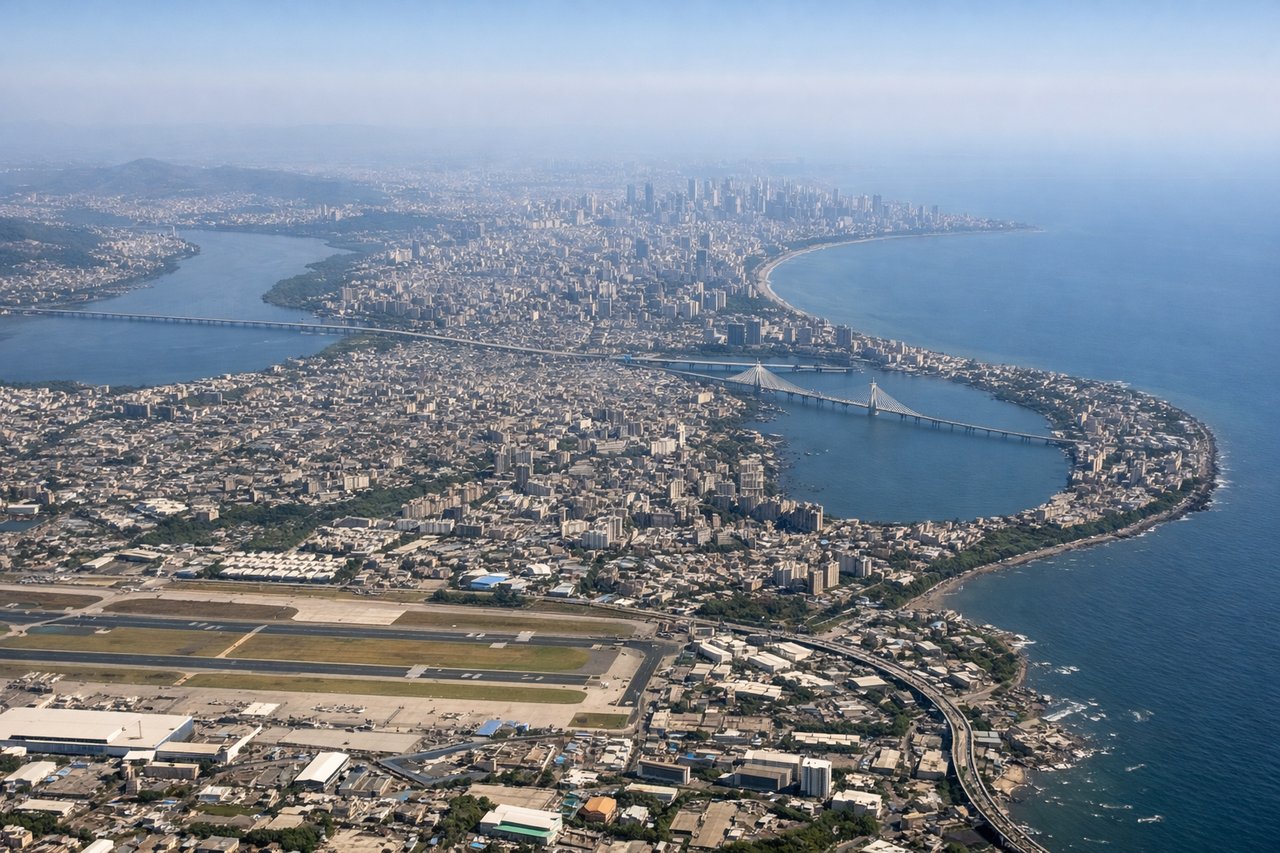
RIGHTBOM typically departs eastbound (Runway 09L/09R). Right-side seats face north across the Arabian Sea initially, then turn inland toward the Western Ghats. Left seats see the urban sprawl of Mumbai and industrial areas. Right offers the cleaner transition from coastal to mountainous terrain.
Landing at LKO
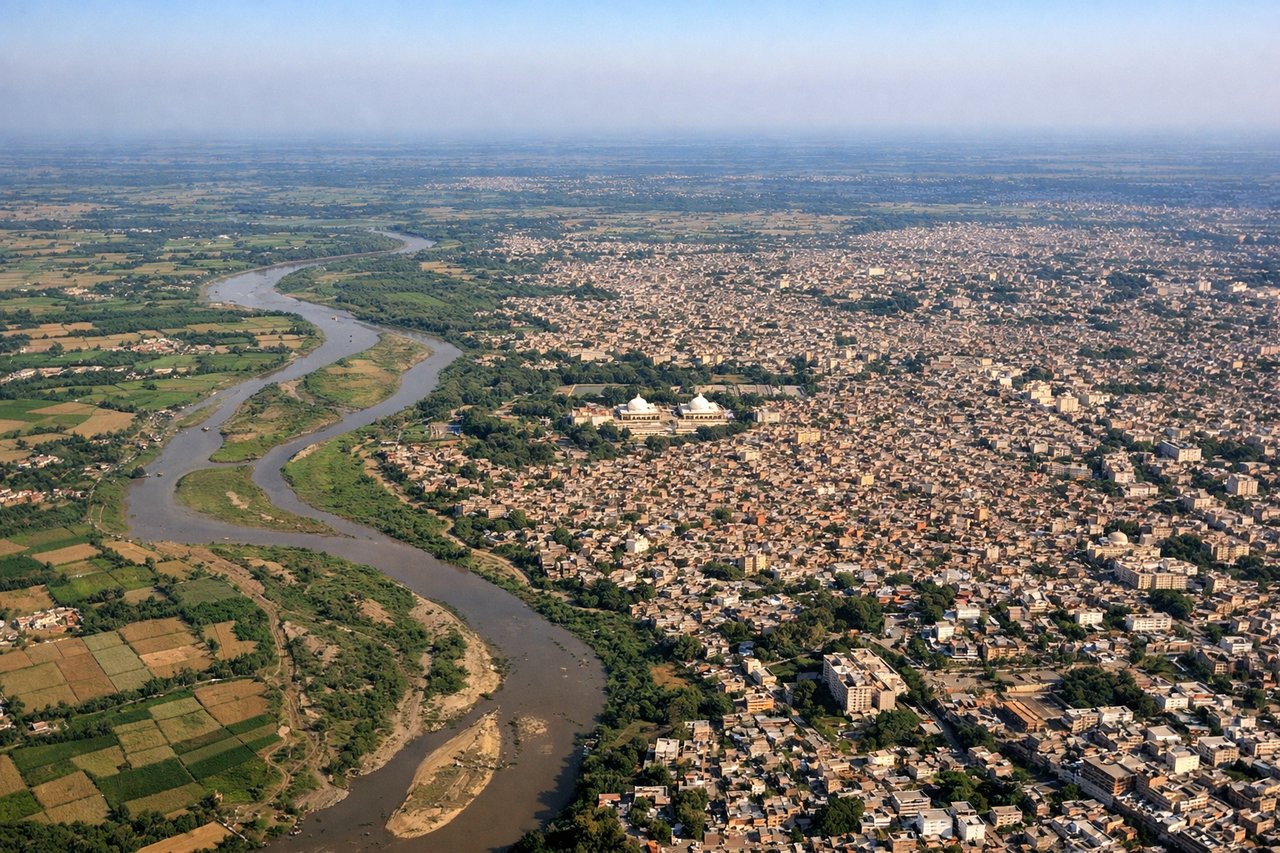
LEFTLKO approaches from the west (Runway 09). Left-side seats face south during descent and see the Gomti River valley and the city's eastern approach. Right seats see agricultural plains and less distinctive features. Left provides better views of the river and urban landmarks during final approach.
Will your flight be in sunlight?
Pick a date and time in the Sun Map to watch the sun move across your whole flight.
About This Route
Which side of the plane should I sit on flying from Chhatrapati Shivaji International (BOM) to Lucknow (LKO)?
Sit on the Right side of the plane for the best views on flights from Bombay to Lucknow. Right-side seats capture the dramatic Western Ghats departure and the Gomti River valley approach. While left has advantages on landing, the takeoff view of the Ghats and the overall flight path trending northeast makes right the stronger choice for the full journey.
What can I see during takeoff from Chhatrapati Shivaji International in Bombay?
During takeoff from Chhatrapati Shivaji International (BOM), sit on the Right side for the best views. BOM typically departs eastbound (Runway 09L/09R). Right-side seats face north across the Arabian Sea initially, then turn inland toward the Western Ghats. Left seats see the urban sprawl of Mumbai and industrial areas. Right offers the cleaner transition from coastal to mountainous terrain. Notable sights include: Arabian Sea (immediate west), Mumbai harbor and docks (southwest), Western Ghats escarpment (east-northeast at 15-20 miles), Thane Creek (north).
What can I see when landing at Lucknow in Lucknow?
When landing at Lucknow (LKO), sit on the Left side for the best views. LKO approaches from the west (Runway 09). Left-side seats face south during descent and see the Gomti River valley and the city's eastern approach. Right seats see agricultural plains and less distinctive features. Left provides better views of the river and urban landmarks during final approach. Notable sights include: Gomti River (serpentine through city), Lucknow city grid (central), Bara Imambara and Chota Imambara domes (visible as white structures in old city), agricultural plains (surrounding).
How long is the flight from Bombay to Lucknow?
The flight from Chhatrapati Shivaji International (BOM) to Lucknow (LKO) takes about 2 hours 10 minutes. The shortest flight path between them is 735 miles (1,184 km); winds and air traffic control usually add a few percent.
What does the Bombay to Lucknow flight path pass over?
The flight path crosses the Western Ghats escarpment (visible as a distinct ridge with elevation changes), then traverses the Deccan Plateau transitioning to the Indo-Gangetic Plain. The Aurangabad region passes to the south (not directly under flight path). The landscape transitions from forested hills to increasingly flat agricultural terrain. The Godavari River basin is crossed in the southern portion of the route. No major lakes or water bodies lie directly on the standard flight path, but the terrain becomes progressively flatter and more cultivated as the aircraft moves northeast toward Lucknow.