While the takeoff offers brief North Sea views on the right, the landing approach on the left provides more sustained and dramatic scenery with the San Gabriel Mountains and Pacific coastline. The left side captures the most visually distinctive portion of the entire flight.
Flown BRU to LAX? Did we get it right?
Flight Path
Brussels to Los Angeles is 5,626 miles (9,053 km), a flight of about 10 hours 45 minutes.
The flight path crosses the Atlantic Ocean with no significant visible landmarks for roughly 6-7 hours. Over Greenland (if northern routing) or the Canadian Arctic, you may see ice sheets and tundra, though these are often obscured by cloud cover. The approach to North America brings views of the Canadian Rockies or Great Plains depending on exact routing. The final descent into Southern California crosses the Sierra Nevada or San Gabriel Mountains before reaching the Los Angeles basin.
Great circle distance and headings ›


Phase by phase
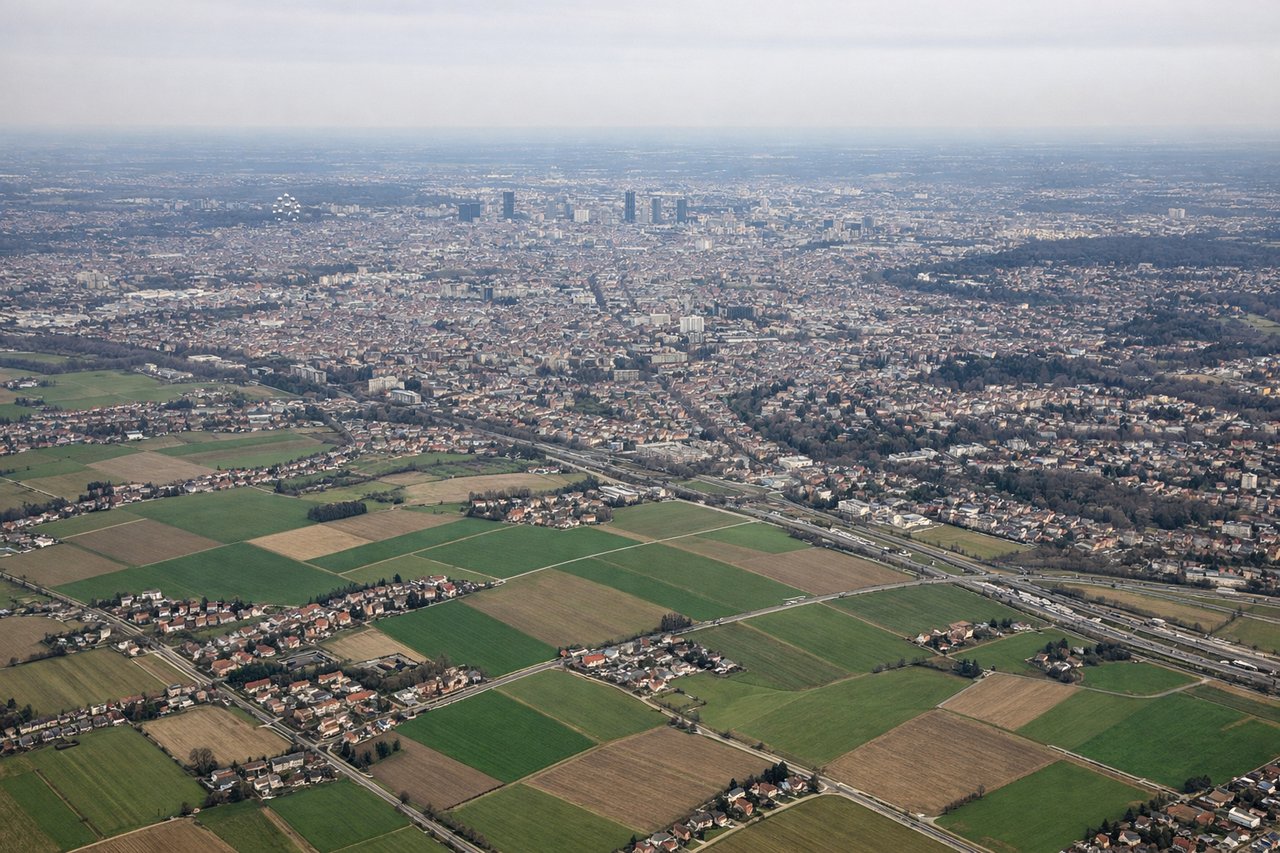
Takeoff from BRU
RIGHTRight-side seats offer views of the North Sea coast and the Low Countries' patchwork landscape during the initial climb northwestward from Brussels. You'll see the Belgian-Dutch border region with its distinctive canal networks and flat terrain before heading out over water.
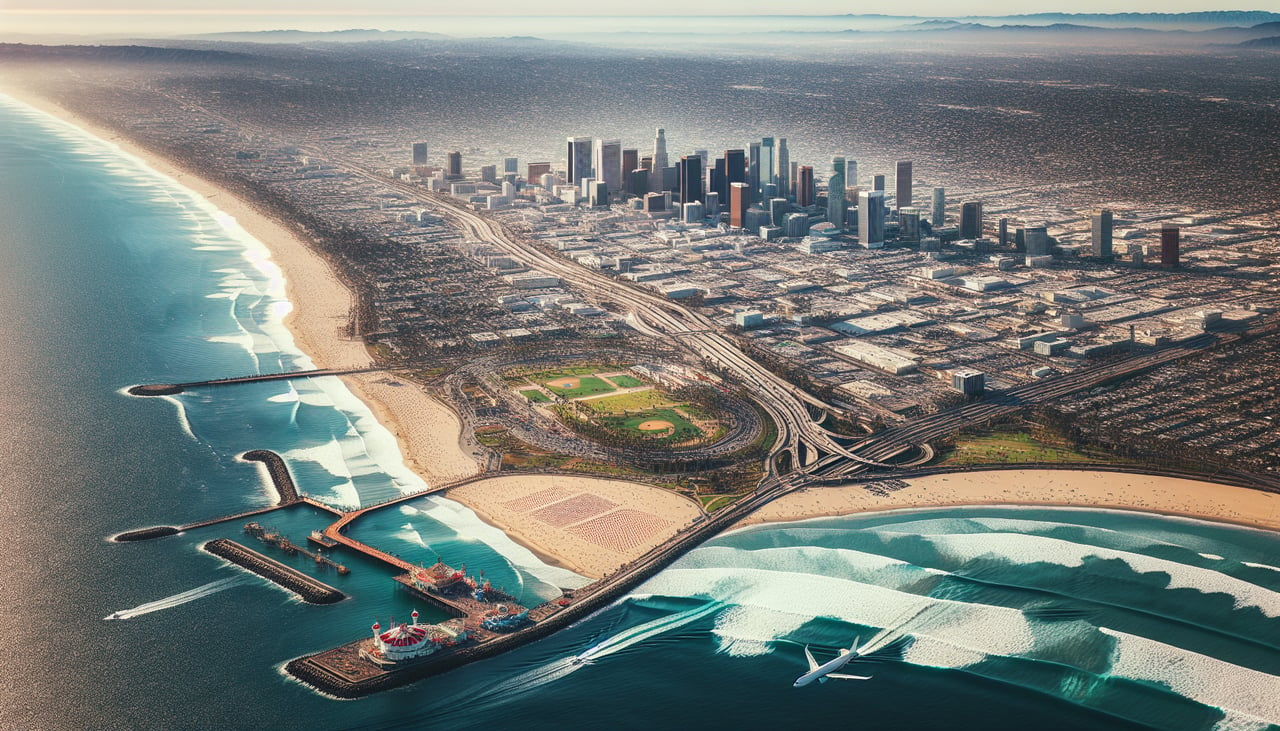
Landing at LAX
LEFTLeft-side seats provide excellent views during the descent into LAX, particularly of the San Gabriel Mountains to the northeast and the Los Angeles basin sprawl. As you descend on the typical westbound approach, the left side faces inland toward the mountain ranges and urban grid of greater Los Angeles.
Will your flight be in sunlight?
Pick a date and time in the Sun Map to watch the sun move across your whole flight.
About This Route
Which side of the plane should I sit on flying from Brussels Natl (BRU) to Los Angeles International (LAX)?
Sit on the Left side of the plane for the best views on flights from Brussels to Los Angeles. While the takeoff offers brief North Sea views on the right, the landing approach on the left provides more sustained and dramatic scenery with the San Gabriel Mountains and Pacific coastline. The left side captures the most visually distinctive portion of the entire flight.
What can I see during takeoff from Brussels Natl in Brussels?
During takeoff from Brussels Natl (BRU), sit on the Right side for the best views. Right-side seats offer views of the North Sea coast and the Low Countries' patchwork landscape during the initial climb northwestward from Brussels. You'll see the Belgian-Dutch border region with its distinctive canal networks and flat terrain before heading out over water. Notable sights include: North Sea coastline, Dutch canal systems and polders, Belgian agricultural plains, English Channel (visible at higher altitude).
What can I see when landing at Los Angeles International in Los Angeles?
When landing at Los Angeles International (LAX), sit on the Left side for the best views. Left-side seats provide excellent views during the descent into LAX, particularly of the San Gabriel Mountains to the northeast and the Los Angeles basin sprawl. As you descend on the typical westbound approach, the left side faces inland toward the mountain ranges and urban grid of greater Los Angeles. Notable sights include: San Gabriel Mountains, Los Angeles urban sprawl and grid pattern, Pacific Ocean coastline, Long Beach harbor and port facilities.
How long is the flight from Brussels to Los Angeles?
The flight from Brussels Natl (BRU) to Los Angeles International (LAX) takes about 10 hours 45 minutes. The shortest flight path between them is 5,626 miles (9,053 km); winds and air traffic control usually add a few percent.
What does the Brussels to Los Angeles flight path pass over?
The flight path crosses the Atlantic Ocean with no significant visible landmarks for roughly 6-7 hours. Over Greenland (if northern routing) or the Canadian Arctic, you may see ice sheets and tundra, though these are often obscured by cloud cover. The approach to North America brings views of the Canadian Rockies or Great Plains depending on exact routing. The final descent into Southern California crosses the Sierra Nevada or San Gabriel Mountains before reaching the Los Angeles basin.