While takeoff offers Brasília's urban geometry, the landing approach into Lisbon provides more dramatic and varied scenery: the Tagus estuary, historic hillside neighborhoods, and the Sintra mountains create a more visually compelling final descent than the cerrado plateau visible on departure.
Flight Path
The flight path crosses the Atlantic Ocean for approximately 5,000 miles. Notable geographic features along the route include the African coast (Morocco and Western Sahara) visible during the eastern Atlantic crossing, the Canary Islands region, and the approach to the Iberian Peninsula. The mid-Atlantic offers open ocean with no significant landmarks, but the transition from African coastal geography to European geography marks the flight's progression.
Great circle distance and headings ›Phase by phase

Takeoff from BSB
LEFTLeft side offers views of Brasília's distinctive modernist urban layout and the surrounding cerrado plateau terrain as you climb out. The city's geometric design and artificial lakes are visible during the initial climb.
Landing at LIS
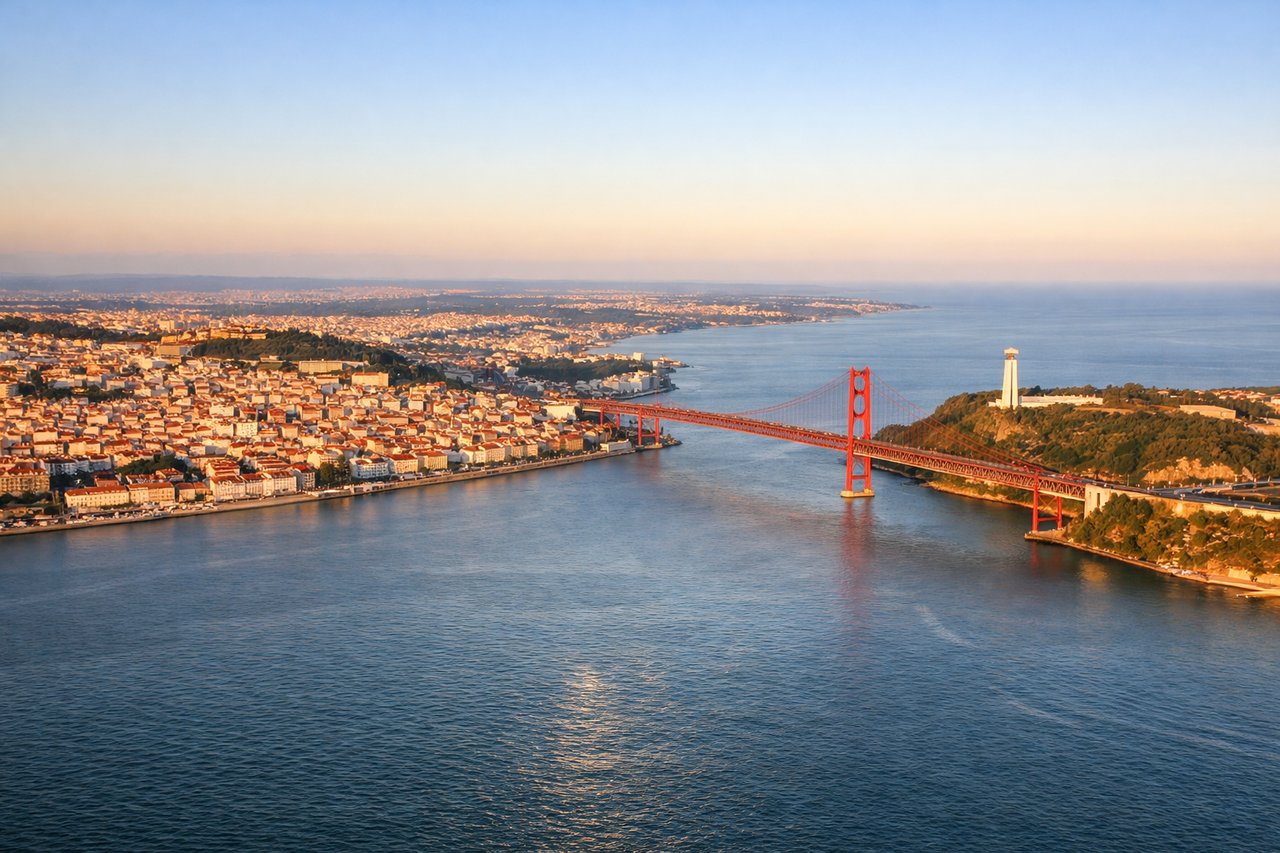
RIGHTRight side provides excellent views of the Atlantic coastline, the Tagus River estuary, and Lisbon's hillside neighborhoods as you descend into the approach. The Sintra mountains are also visible inland on the right during final descent.
Landmarks on this routeAll landmarks →
Will your flight be in sunlight?
See exactly which side of the plane gets sun and shade at your departure time.
About This Route
Which side of the plane should I sit on flying from Presidente Juscelino Kubitschek (BSB) to Lisboa (LIS)?
Sit on the Right side of the plane for the best views on flights from Brasilia to Lisbon. While takeoff offers Brasília's urban geometry, the landing approach into Lisbon provides more dramatic and varied scenery: the Tagus estuary, historic hillside neighborhoods, and the Sintra mountains create a more visually compelling final descent than the cerrado plateau visible on departure.
What can I see during takeoff from Presidente Juscelino Kubitschek in Brasilia?
During takeoff from Presidente Juscelino Kubitschek (BSB), sit on the Left side for the best views. Left side offers views of Brasília's distinctive modernist urban layout and the surrounding cerrado plateau terrain as you climb out. The city's geometric design and artificial lakes are visible during the initial climb. Notable sights include: Brasília city center (Plano Piloto), Paranoá Lake, cerrado grassland plateau, surrounding ridge formations.
What can I see when landing at Lisboa in Lisbon?
When landing at Lisboa (LIS), sit on the Right side for the best views. Right side provides excellent views of the Atlantic coastline, the Tagus River estuary, and Lisbon's hillside neighborhoods as you descend into the approach. The Sintra mountains are also visible inland on the right during final descent. Notable sights include: Tagus River estuary, Lisbon's Alfama and Baixa districts on hillsides, Sintra mountain range, Atlantic coastline.
How long is the flight from Brasilia to Lisbon?
The flight from Presidente Juscelino Kubitschek (BSB) to Lisboa (LIS) takes 9h 15m.
What does the Brasilia to Lisbon flight path pass over?
The flight path crosses the Atlantic Ocean for approximately 5,000 miles. Notable geographic features along the route include the African coast (Morocco and Western Sahara) visible during the eastern Atlantic crossing, the Canary Islands region, and the approach to the Iberian Peninsula. The mid-Atlantic offers open ocean with no significant landmarks, but the transition from African coastal geography to European geography marks the flight's progression.