Tagus River estuary, 25 de Abril Bridge, Lisbon city center and Baixa district
🛬 Landing at Lisbon (LIS)
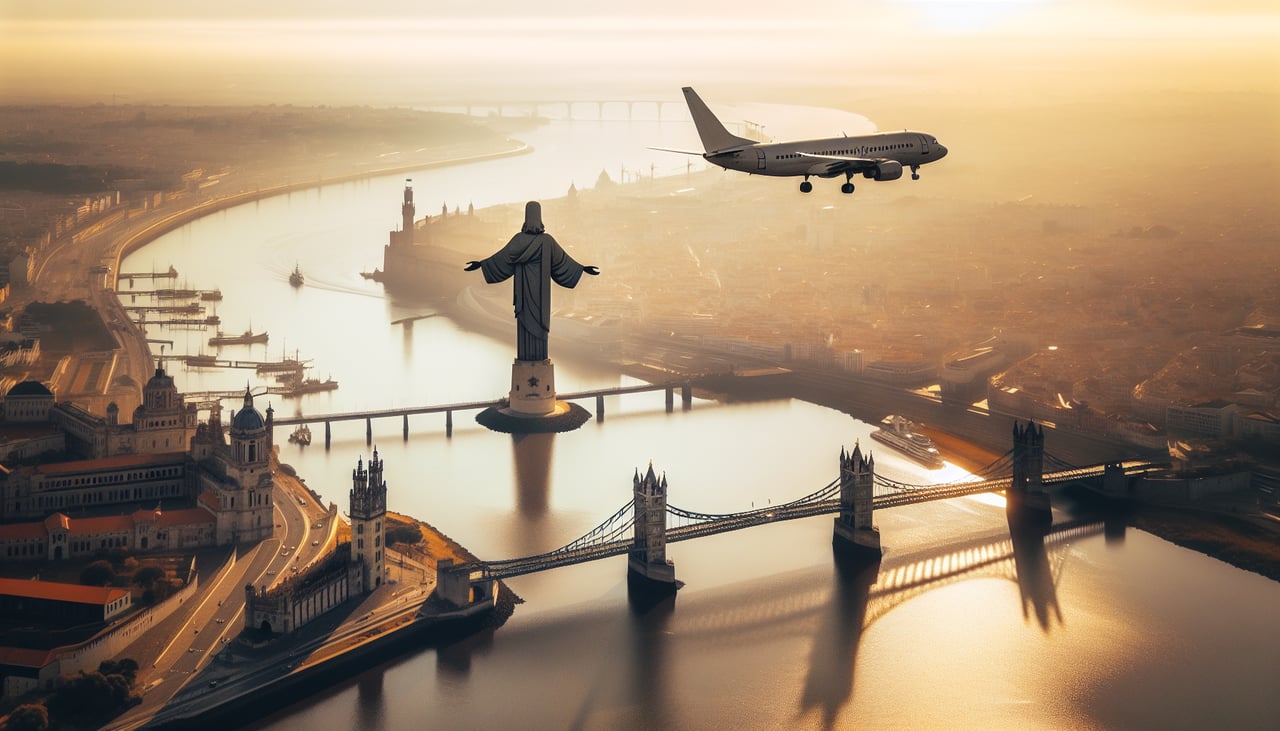 Left Side
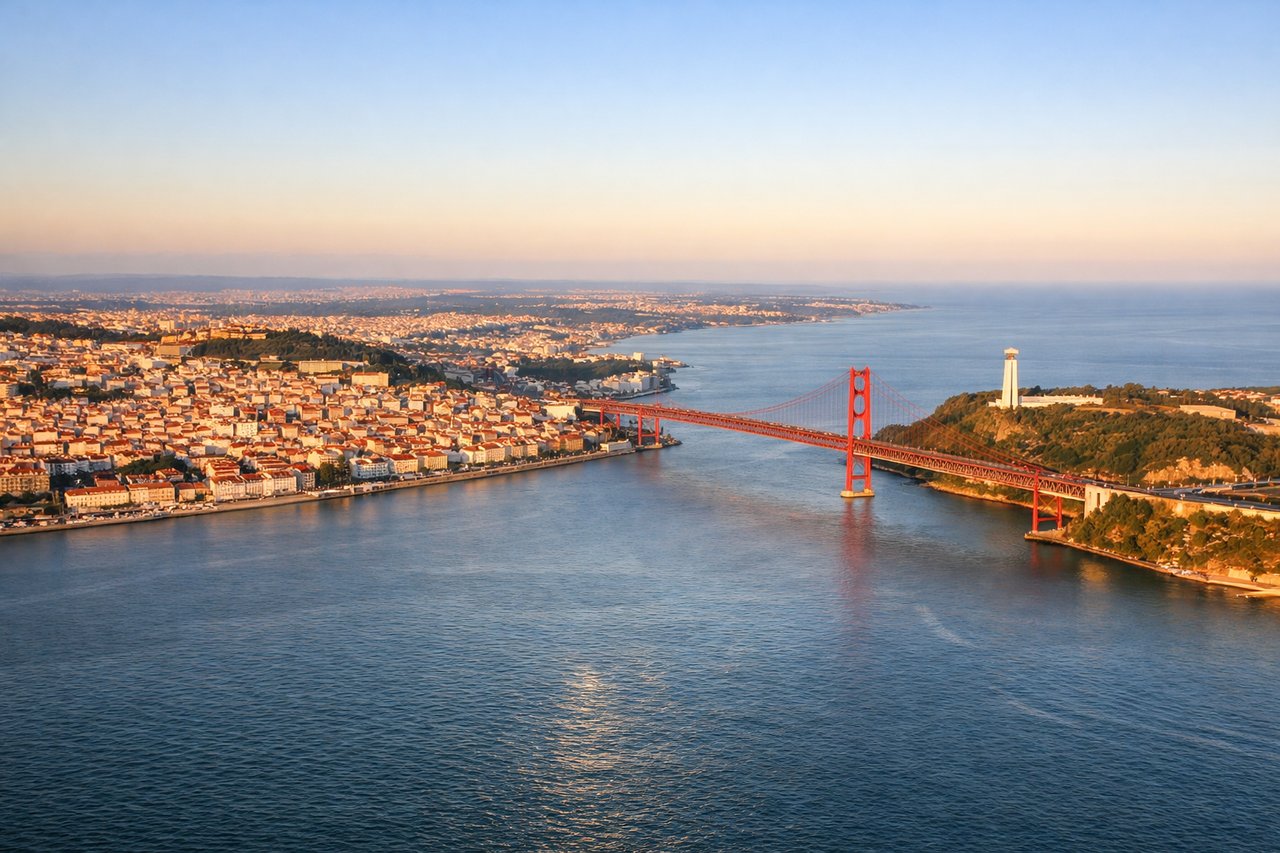 Right Side
 Photo: thorl5
Humberto Delgado Airport sits unusually close to the city center, just a few miles north, making for quick transfers but also noise over residential areas. It has two main terminals and serves as the main gateway to Portugal, though its compact layout can feel congested during peak hours.
Landmarks on routes to LisbonAll landmarks →
Popular Routes to Lisboa (LIS)
North America
Europe
Asia
South America
Africa
Elsewhere
About This Airport
Which side of the plane has the best views landing at Lisboa (LIS)?
When landing at Lisboa (LIS), sit on the Left side for the best views. Landing on runway 20 (southbound) means the aircraft approaches from the north over Lisbon's city center and the Tagus River estuary. The left side offers direct views of the Tagus, the city's historic downtown, and the bridge crossing, while the right side faces the airport's industrial perimeter and less scenic terrain. Notable sights include: Tagus River estuary, 25 de Abril Bridge (red suspension bridge), Lisbon city center and Baixa district, Cristo Rei monument on the south bank.
What can I see when arriving at Lisbon?
Arriving at Lisboa in Lisbon, passengers on the Left side enjoy views of Tagus River estuary, 25 de Abril Bridge (red suspension bridge), Lisbon city center and Baixa district, Cristo Rei monument on the south bank. Landing on runway 20 (southbound) means the aircraft approaches from the north over Lisbon's city center and the Tagus River estuary. The left side offers direct views of the Tagus, the city's historic downtown, and the bridge crossing, while the right side faces the airport's industrial perimeter and less scenic terrain.
What factors affect the best window seat landing at Lisboa?
The best window seat landing at Lisboa (LIS) depends on several factors: the approach path and runway in use, geographic features around Lisbon (mountains, coastlines, city skylines), weather conditions, and time of day. Morning and evening arrivals often offer the best lighting.