The left side wins narrowly due to the more memorable NYC skyline and Long Island coastline views during takeoff, while both sides are limited overall by the five-plus hours of open Atlantic Ocean crossing in between.
Flight Path
Open North Atlantic Ocean, with no land visible for several hours between the North American coast and the European continental shelf
Great circle distance and headings ›.jpg?width=600)
.jpg?width=600)
Phase by phase
Takeoff from JFK
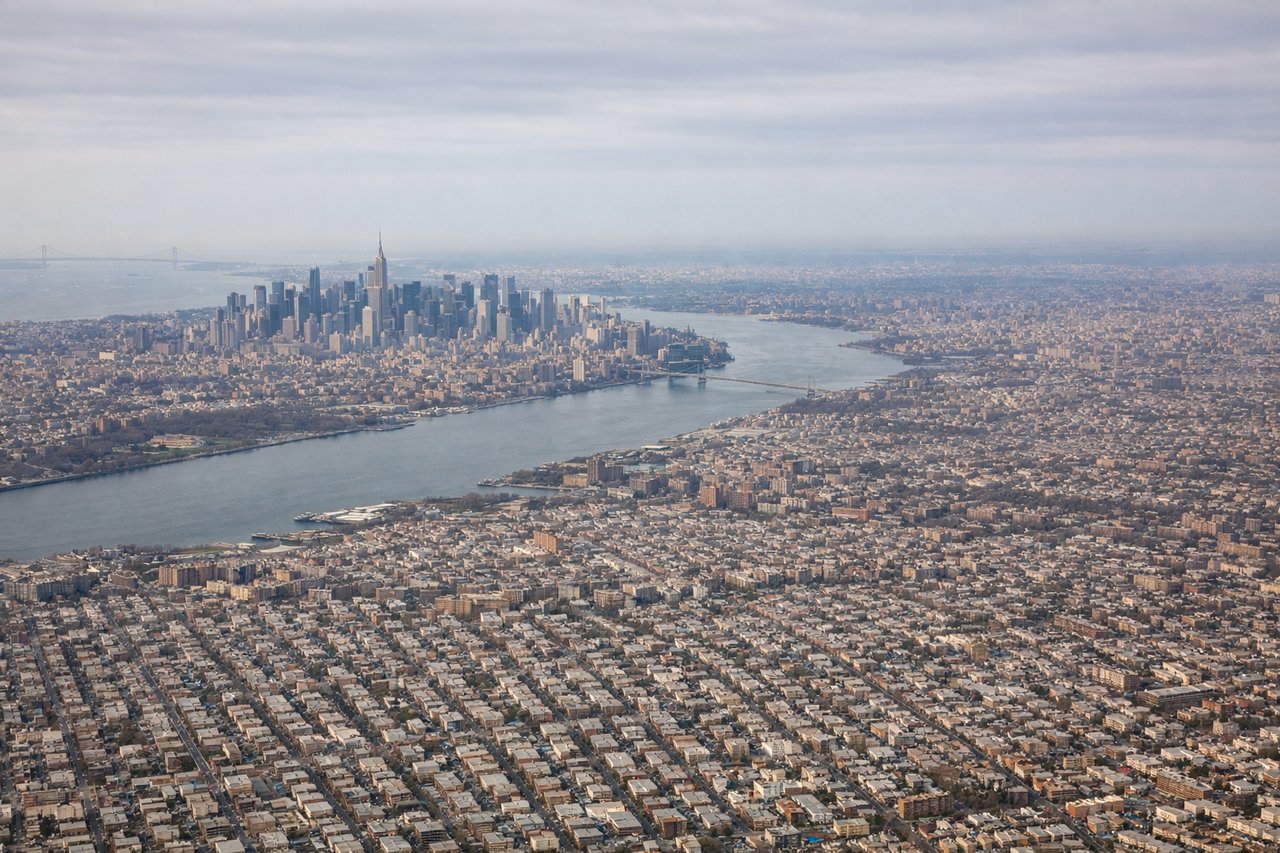
LEFTDeparting JFK to the east/northeast, the left side offers views of Long Island's coastline and the New York City skyline including Manhattan as the plane banks over the Atlantic seaboard. The right side mostly shows Queens and Brooklyn rooftops receding quickly with less distinctive detail.
Landing at LIS
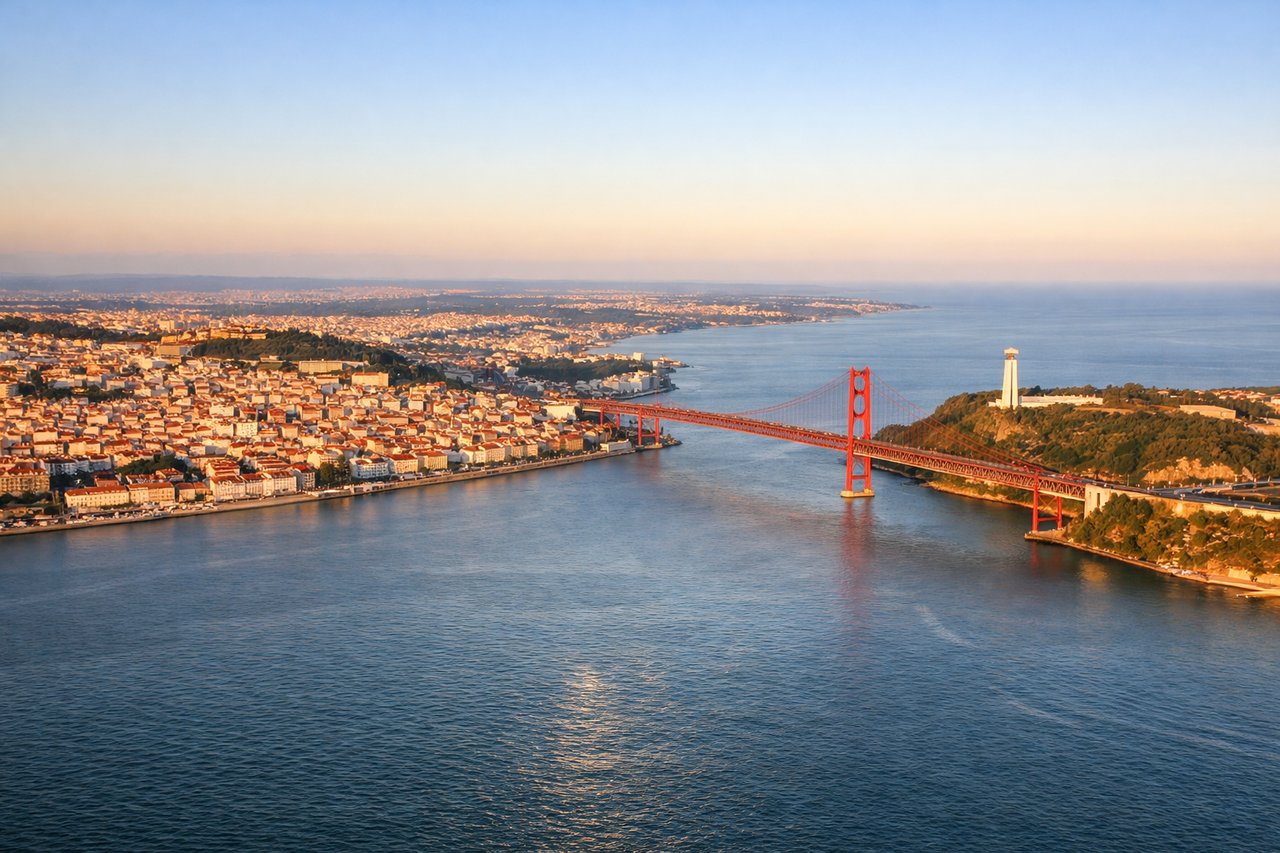
RIGHTArriving into Lisbon from the north or northwest, the right side typically faces west toward the Atlantic coastline and the mouth of the Tagus River estuary, giving views of the coast near Cascais and Sintra's hills. The left side generally shows the flatter interior countryside with less visual interest.
Landmarks on this routeAll landmarks →
Will your flight be in sunlight?
See exactly which side of the plane gets sun and shade at your departure time.
About This Route
Which side of the plane should I sit on flying from John F Kennedy International (JFK) to Lisboa (LIS)?
Sit on the Left side of the plane for the best views on flights from New York to Lisbon. The left side wins narrowly due to the more memorable NYC skyline and Long Island coastline views during takeoff, while both sides are limited overall by the five-plus hours of open Atlantic Ocean crossing in between.
What can I see during takeoff from John F Kennedy International in New York?
During takeoff from John F Kennedy International (JFK), sit on the Left side for the best views. Departing JFK to the east/northeast, the left side offers views of Long Island's coastline and the New York City skyline including Manhattan as the plane banks over the Atlantic seaboard. The right side mostly shows Queens and Brooklyn rooftops receding quickly with less distinctive detail. Notable sights include: Manhattan skyline, Long Island Sound coastline, Jones Beach barrier islands, Rockaway Peninsula.
What can I see when landing at Lisboa in Lisbon?
When landing at Lisboa (LIS), sit on the Right side for the best views. Arriving into Lisbon from the north or northwest, the right side typically faces west toward the Atlantic coastline and the mouth of the Tagus River estuary, giving views of the coast near Cascais and Sintra's hills. The left side generally shows the flatter interior countryside with less visual interest. Notable sights include: Tagus River estuary, Sintra mountains, Cascais coastline, Lisbon's 25 de Abril Bridge.
How long is the flight from New York to Lisbon?
The flight from John F Kennedy International (JFK) to Lisboa (LIS) takes 6h 50m.
What does the New York to Lisbon flight path pass over?
Open North Atlantic Ocean, with no land visible for several hours between the North American coast and the European continental shelf