While landing favors the left, the takeoff experience from Cairo is more visually rewarding—the Nile Delta's geometric agricultural pattern and the dramatic green-to-desert transition are among the world's most distinctive aerial views. Right-side seats capture this better than the relatively flat approach into Perth.
Flight Path
The flight path crosses the Arabian Sea and Indian Ocean for the majority of the journey. Notable waypoints include the Red Sea (visible during initial eastward climb from Cairo), the Arabian Peninsula's eastern coastline near Oman, and the vast open Indian Ocean. The Strait of Hormuz and Persian Gulf may be visible on some routing variations. No major landmasses are visible during the long oceanic crossing—the midpoint consists primarily of open water with occasional cloud formations. The transition from Middle Eastern airspace to Indian Ocean occurs roughly 4-5 hours into the flight.
Great circle distance and headings ›

.jpg?width=600)
.JPG?width=600)

Phase by phase
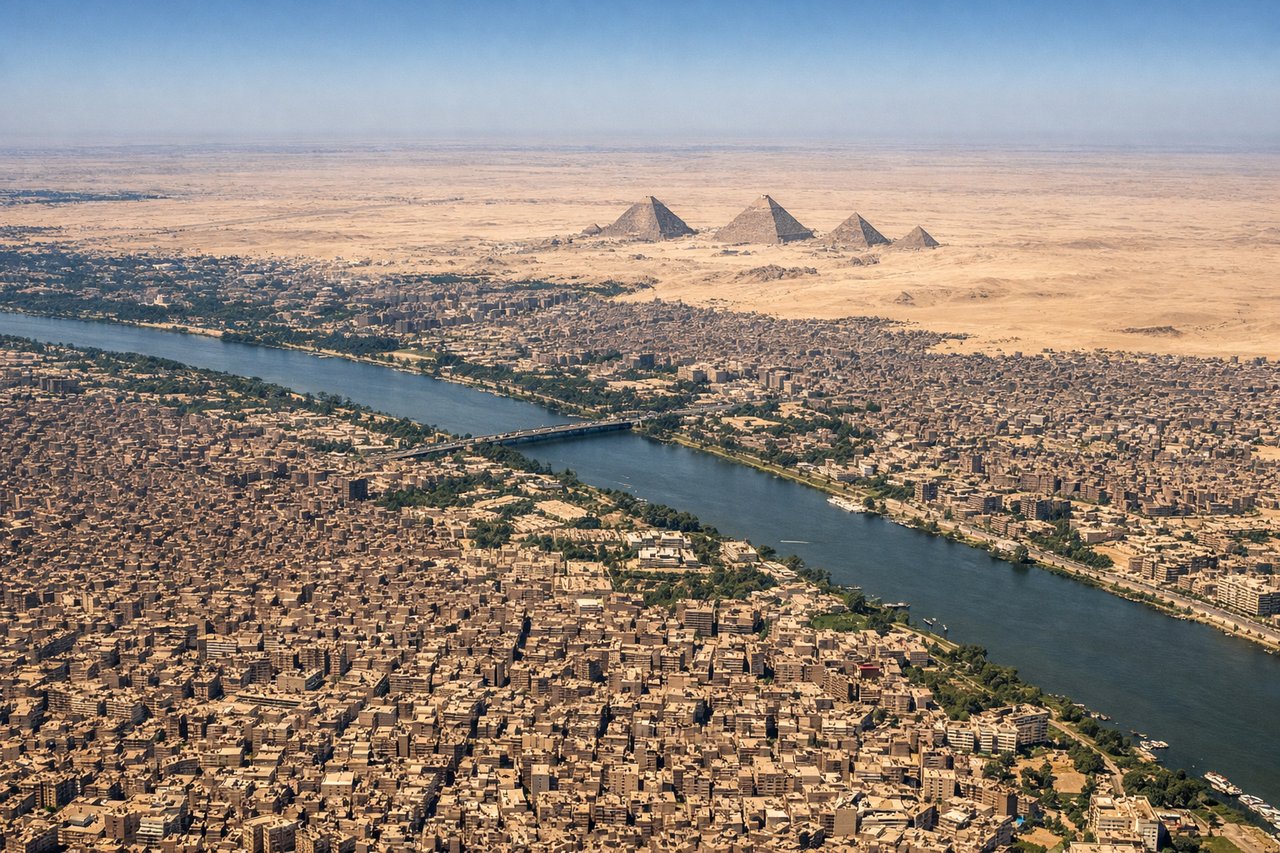
Takeoff from CAI
RIGHTRight-side seats offer views of the Nile Delta's intricate waterway network immediately after departure. The delta's braided channels, agricultural fields, and the transition from green cultivated land to desert are visually striking during the initial climb-out northeastward from Cairo.
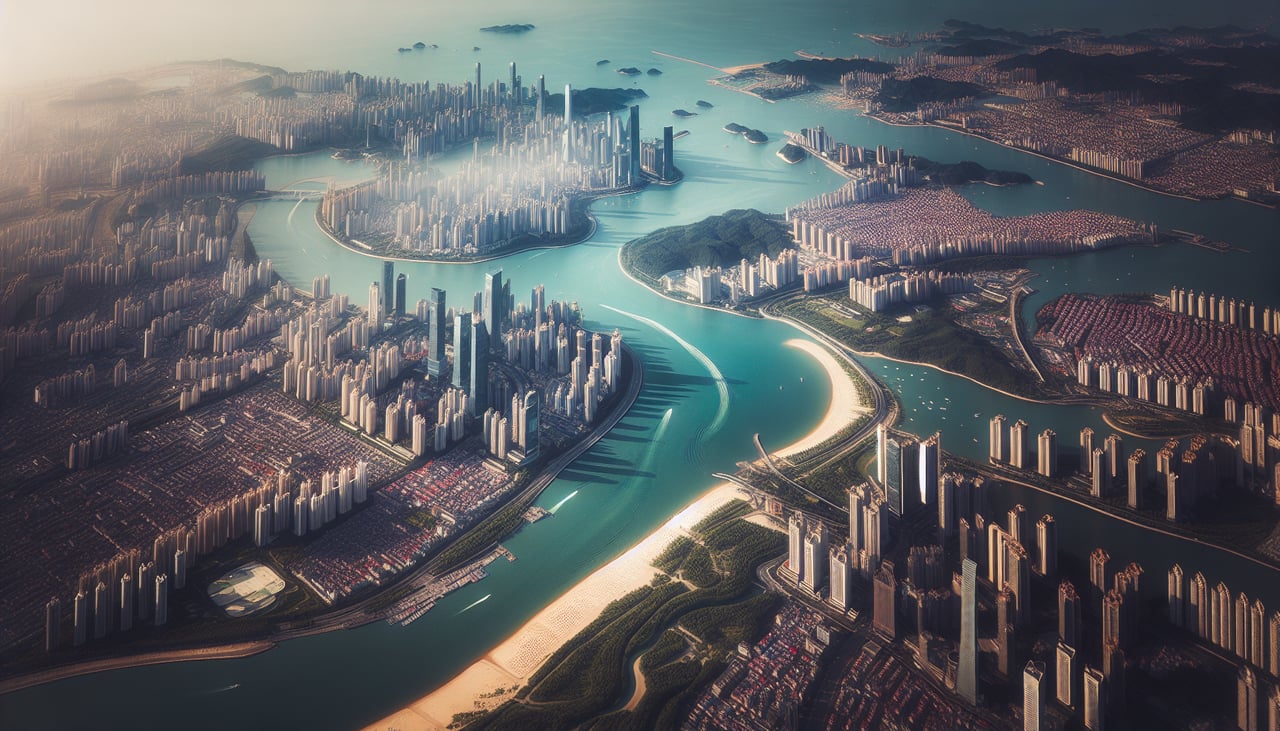
Landing at PER
LEFTLeft-side seats during descent into Perth provide excellent views of the Indian Ocean coastline, Rottnest Island's distinctive shape, and the Swan River estuary. These features are prominent on the standard approach path from the northwest, offering a clear geographic context for arrival.
Landmarks on this routeAll landmarks →
Will your flight be in sunlight?
See exactly which side of the plane gets sun and shade at your departure time.
About This Route
Which side of the plane should I sit on flying from Cairo International (CAI) to Perth International (PER)?
Sit on the Right side of the plane for the best views on flights from Cairo to Perth. While landing favors the left, the takeoff experience from Cairo is more visually rewarding—the Nile Delta's geometric agricultural pattern and the dramatic green-to-desert transition are among the world's most distinctive aerial views. Right-side seats capture this better than the relatively flat approach into Perth.
What can I see during takeoff from Cairo International in Cairo?
During takeoff from Cairo International (CAI), sit on the Right side for the best views. Right-side seats offer views of the Nile Delta's intricate waterway network immediately after departure. The delta's braided channels, agricultural fields, and the transition from green cultivated land to desert are visually striking during the initial climb-out northeastward from Cairo. Notable sights include: Nile Delta with its distinctive fan-shaped irrigation pattern, Mediterranean Sea coastline, Cairo urban sprawl to the southwest, desert plateau to the east.
What can I see when landing at Perth International in Perth?
When landing at Perth International (PER), sit on the Left side for the best views. Left-side seats during descent into Perth provide excellent views of the Indian Ocean coastline, Rottnest Island's distinctive shape, and the Swan River estuary. These features are prominent on the standard approach path from the northwest, offering a clear geographic context for arrival. Notable sights include: Rottnest Island with its characteristic irregular coastline, Swan River estuary, Perth city skyline, Indian Ocean with visible reef patterns.
How long is the flight from Cairo to Perth?
The flight from Cairo International (CAI) to Perth International (PER) takes Approximately 14-15 hours with standard routing.
What does the Cairo to Perth flight path pass over?
The flight path crosses the Arabian Sea and Indian Ocean for the majority of the journey. Notable waypoints include the Red Sea (visible during initial eastward climb from Cairo), the Arabian Peninsula's eastern coastline near Oman, and the vast open Indian Ocean. The Strait of Hormuz and Persian Gulf may be visible on some routing variations. No major landmasses are visible during the long oceanic crossing—the midpoint consists primarily of open water with occasional cloud formations. The transition from Middle Eastern airspace to Indian Ocean occurs roughly 4-5 hours into the flight.