Guangzhou to Vancouver is 6,340 miles (10,203 km), a flight of about 11 hours 30 minutes.
The right side captures the most scenic bookends of the flight — Guangzhou's river delta on departure and the dramatic Coast Mountains backdrop on arrival — while the long cruise over Siberian tundra and the Bering Sea offers little differentiation between sides.
Flight Path
Mongolian steppe, Lake Baikal region, Siberian taiga, Kamchatka Peninsula coastline, Bering Sea, Alaska Range near Denali
Great circle distance and headings ›


Phase by phase
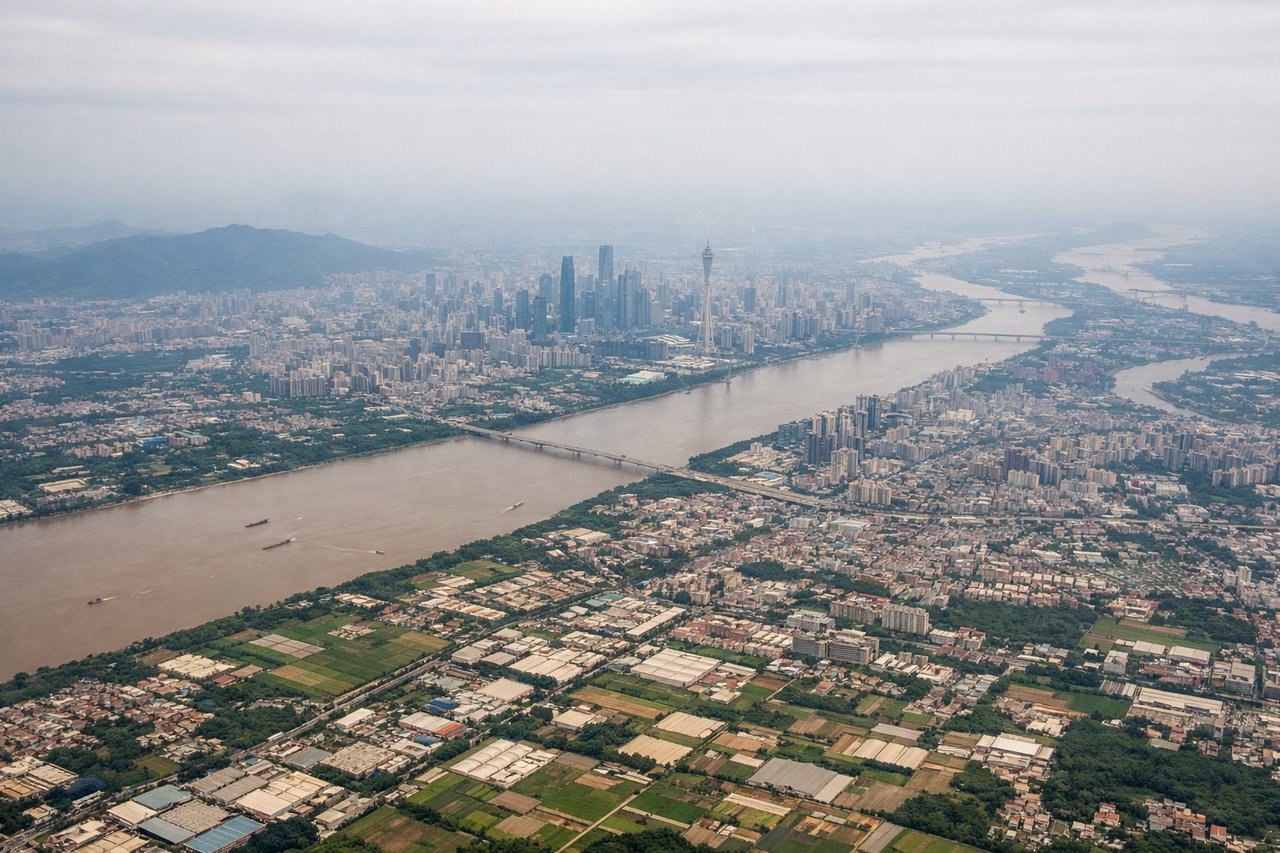
Takeoff from CAN
RIGHTDeparting CAN to the north before curving northeast toward Mongolia and Siberia, the right-side windows give the best look at the Pearl River Delta, Guangzhou's dense urban core, and the hilly terrain of northern Guangdong as the aircraft climbs out.
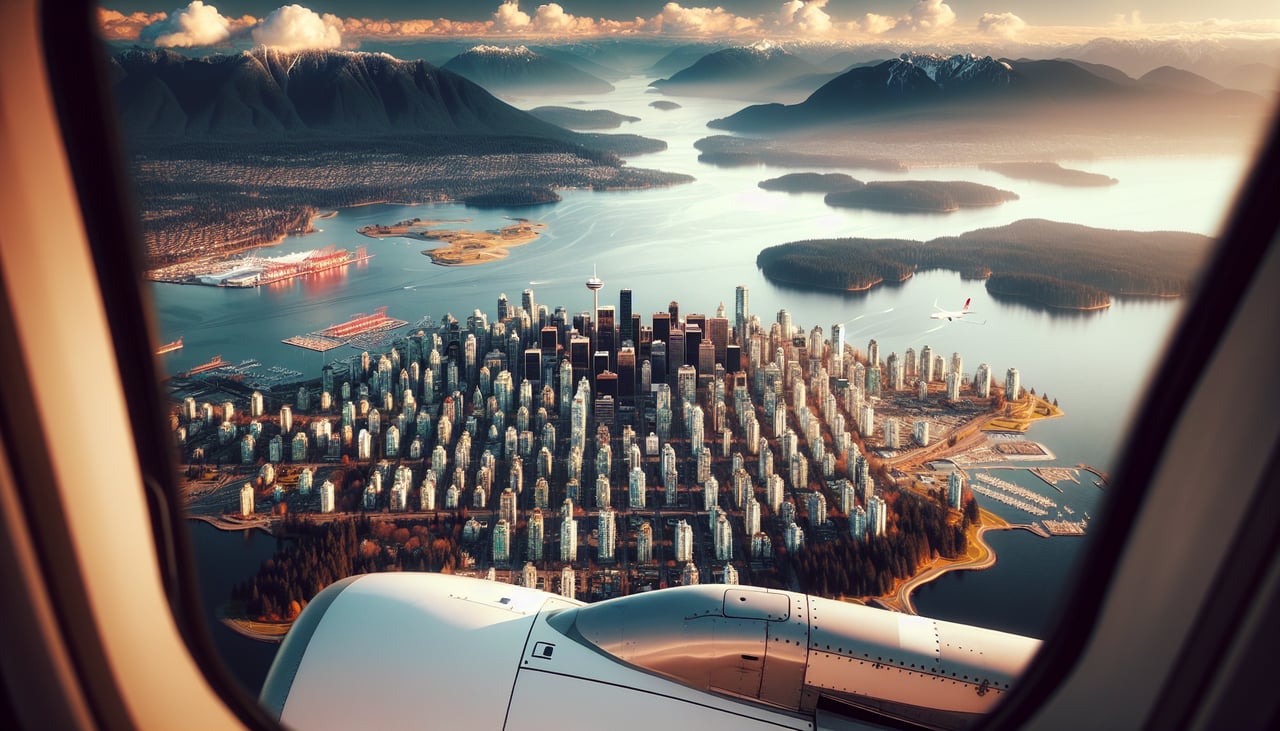
Landing at YVR
RIGHTOn the typical eastward descent into YVR before turning to land westbound on runway 26, the right side faces north toward the Coast Mountains and North Shore peaks, while the final turn reveals the Fraser Valley and Georgia Strait fjord-like inlets.
Landmarks on this routeAll landmarks →
Will your flight be in sunlight?
Pick a date and time in the Sun Map to watch the sun move across your whole flight.
About This Route
Which side of the plane should I sit on flying from Guangzhou Baiyun International Airport (CAN) to Vancouver International (YVR)?
Sit on the Right side of the plane for the best views on flights from Guangzhou to Vancouver. The right side captures the most scenic bookends of the flight — Guangzhou's river delta on departure and the dramatic Coast Mountains backdrop on arrival — while the long cruise over Siberian tundra and the Bering Sea offers little differentiation between sides.
What can I see during takeoff from Guangzhou Baiyun International Airport in Guangzhou?
During takeoff from Guangzhou Baiyun International Airport (CAN), sit on the Right side for the best views. Departing CAN to the north before curving northeast toward Mongolia and Siberia, the right-side windows give the best look at the Pearl River Delta, Guangzhou's dense urban core, and the hilly terrain of northern Guangdong as the aircraft climbs out. Notable sights include: Pearl River, Guangzhou city center, Baiyun Mountain foothills, Guangdong hill country.
What can I see when landing at Vancouver International in Vancouver?
When landing at Vancouver International (YVR), sit on the Right side for the best views. On the typical eastward descent into YVR before turning to land westbound on runway 26, the right side faces north toward the Coast Mountains and North Shore peaks, while the final turn reveals the Fraser Valley and Georgia Strait fjord-like inlets. Notable sights include: Coast Mountains, Grouse and Seymour peaks, Burrard Inlet, Georgia Strait.
How long is the flight from Guangzhou to Vancouver?
The flight from Guangzhou Baiyun International Airport (CAN) to Vancouver International (YVR) takes about 11 hours 30 minutes. The shortest flight path between them is 6,340 miles (10,203 km); winds and air traffic control usually add a few percent.
What does the Guangzhou to Vancouver flight path pass over?
Mongolian steppe, Lake Baikal region, Siberian taiga, Kamchatka Peninsula coastline, Bering Sea, Alaska Range near Denali