The left side wins both ends: a Paris/Seine glimpse at departure and, more importantly, the potential Mount Rainier and Puget Sound approach into Seattle, which is a signature scenic landing when skies are clear. The right side spends most of the flight over open ocean or featureless Canadian prairie with little to see.
Flight Path
Southern tip of Greenland's icefields, Labrador Sea, and the northern Canadian tundra and boreal forest are visible along the great-circle route before the descent toward the Pacific Northwest.
Great circle distance and headings ›.jpg?width=600)
.jpeg?width=600)


.jpg?width=600)

Phase by phase
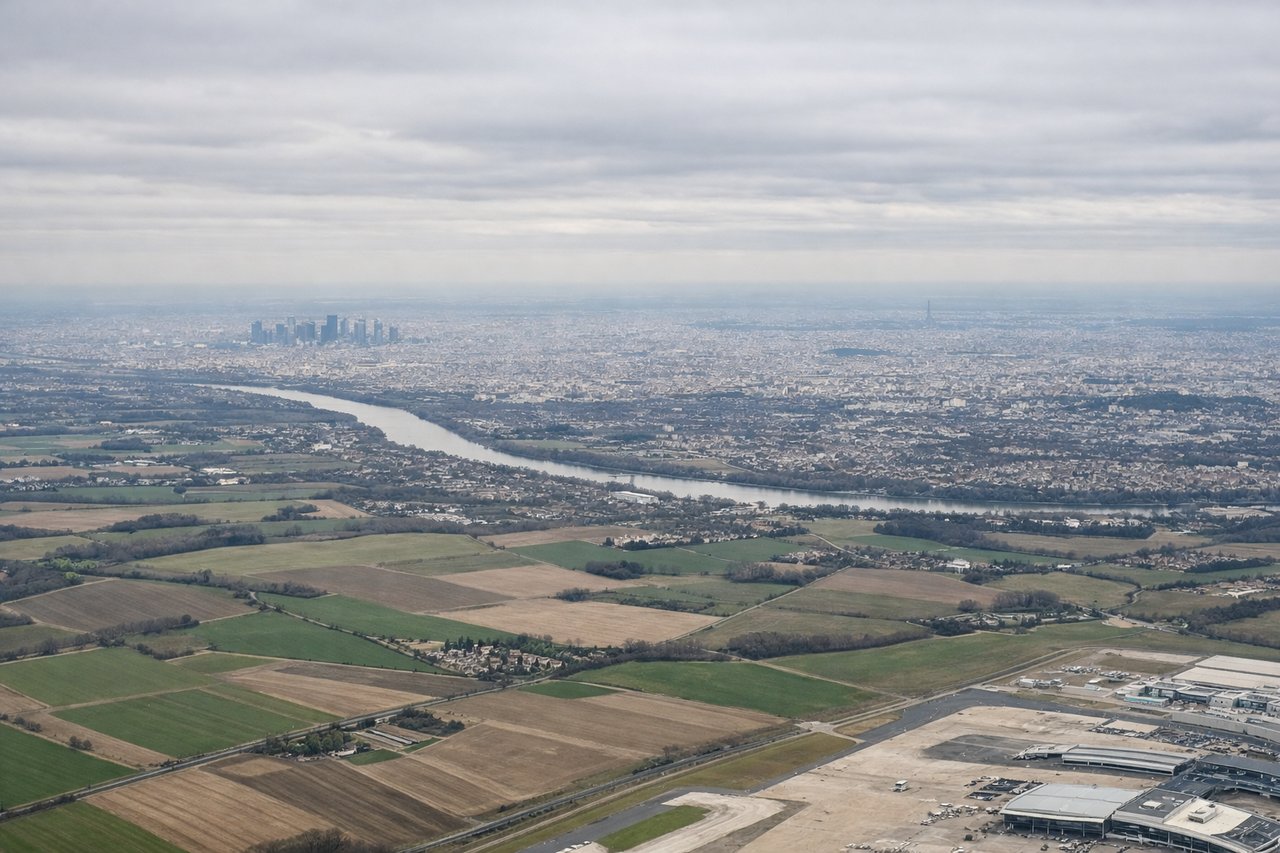
Takeoff from CDG
LEFTDeparting CDG heading northwest, the left side offers views over Paris itself before the route turns toward the English Channel and southern England. Passengers can catch glimpses of the Seine valley and northern French countryside.
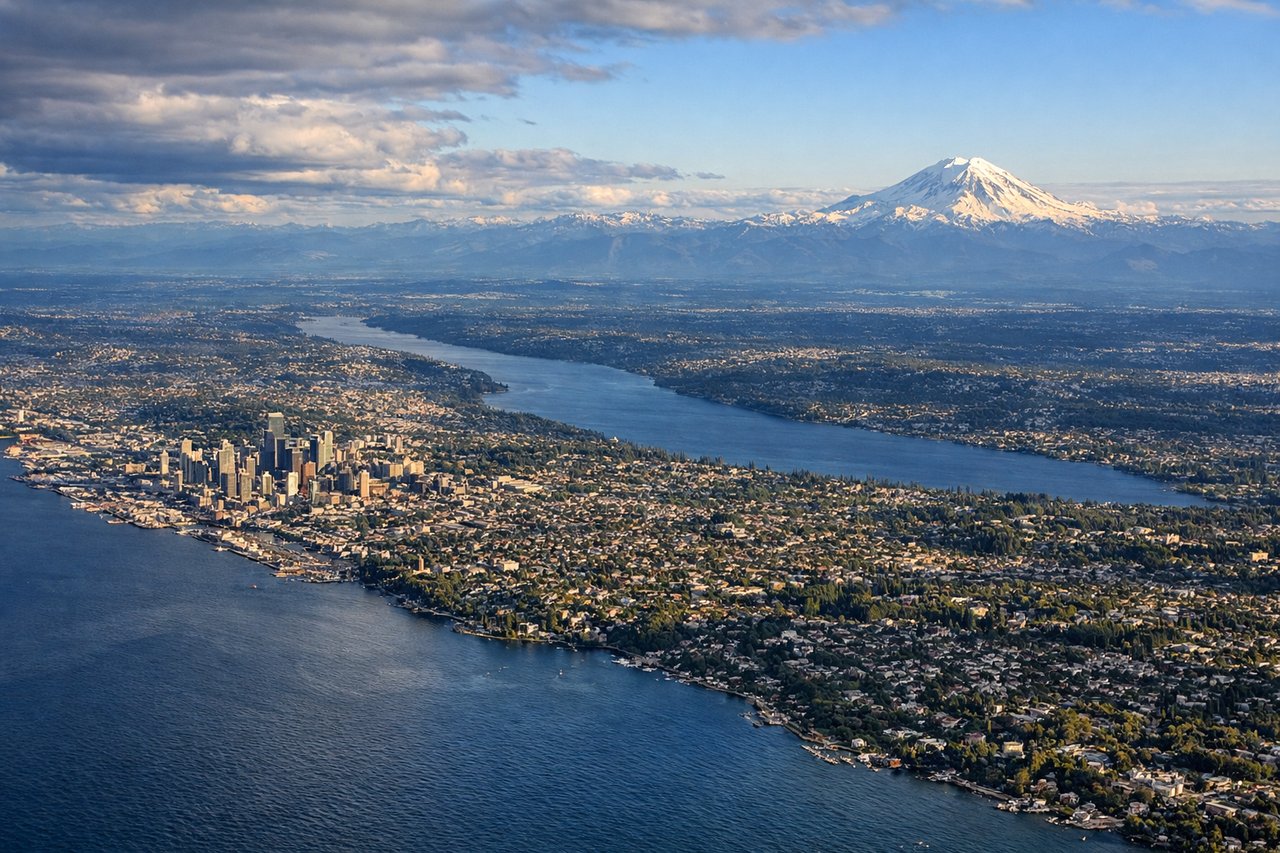
Landing at SEA
LEFTOn approach into SEA from the south or east, the left side typically reveals the Cascade Range and often Mount Rainier's snow-capped cone, plus views over Puget Sound and the Seattle skyline. This is one of the most dramatic approaches in North America when weather is clear.
Landmarks on this routeAll landmarks →
Will your flight be in sunlight?
See exactly which side of the plane gets sun and shade at your departure time.
About This Route
Which side of the plane should I sit on flying from Charles De Gaulle (CDG) to Seattle Tacoma International (SEA)?
Sit on the Left side of the plane for the best views on flights from Paris to Seattle. The left side wins both ends: a Paris/Seine glimpse at departure and, more importantly, the potential Mount Rainier and Puget Sound approach into Seattle, which is a signature scenic landing when skies are clear. The right side spends most of the flight over open ocean or featureless Canadian prairie with little to see.
What can I see during takeoff from Charles De Gaulle in Paris?
During takeoff from Charles De Gaulle (CDG), sit on the Left side for the best views. Departing CDG heading northwest, the left side offers views over Paris itself before the route turns toward the English Channel and southern England. Passengers can catch glimpses of the Seine valley and northern French countryside. Notable sights include: Paris rooftops and Seine river bends, Charles de Gaulle airport layout, northern French farmland patchwork, English Channel coastline near Normandy.
What can I see when landing at Seattle Tacoma International in Seattle?
When landing at Seattle Tacoma International (SEA), sit on the Left side for the best views. On approach into SEA from the south or east, the left side typically reveals the Cascade Range and often Mount Rainier's snow-capped cone, plus views over Puget Sound and the Seattle skyline. This is one of the most dramatic approaches in North America when weather is clear. Notable sights include: Mount Rainier, Puget Sound waterways, Seattle downtown skyline, Olympic Mountains in the distance.
How long is the flight from Paris to Seattle?
The flight from Charles De Gaulle (CDG) to Seattle Tacoma International (SEA) takes 9h 50m.
What does the Paris to Seattle flight path pass over?
Southern tip of Greenland's icefields, Labrador Sea, and the northern Canadian tundra and boreal forest are visible along the great-circle route before the descent toward the Pacific Northwest.