While the left side wins the shorter takeoff and landing segments, the right side dominates the long cruise phase, where the flight path crosses the Adriatic, skirts the Balkan coastline, and passes close to the southern Alps and Dolomites in northern Italy — the most dramatic scenery of the entire route.
Flight Path
Adriatic Sea crossing between Greece and Italy, the Apennine Mountains and Po Valley of northern Italy, and the southern edge of the Alps (Dolomites/western Alps) before the route continues over France toward the English Channel
Great circle distance and headings ›


.jpg?width=600)


.jpeg?width=600)
Phase by phase
Takeoff from CHQ
LEFTDeparting runway 29, the aircraft climbs out over Souda Bay and the Cretan Sea before banking onto its northwesterly track. That bank exposes the White Mountains and Crete's rugged southern coast on the left, while the right side looks out mostly over open water.
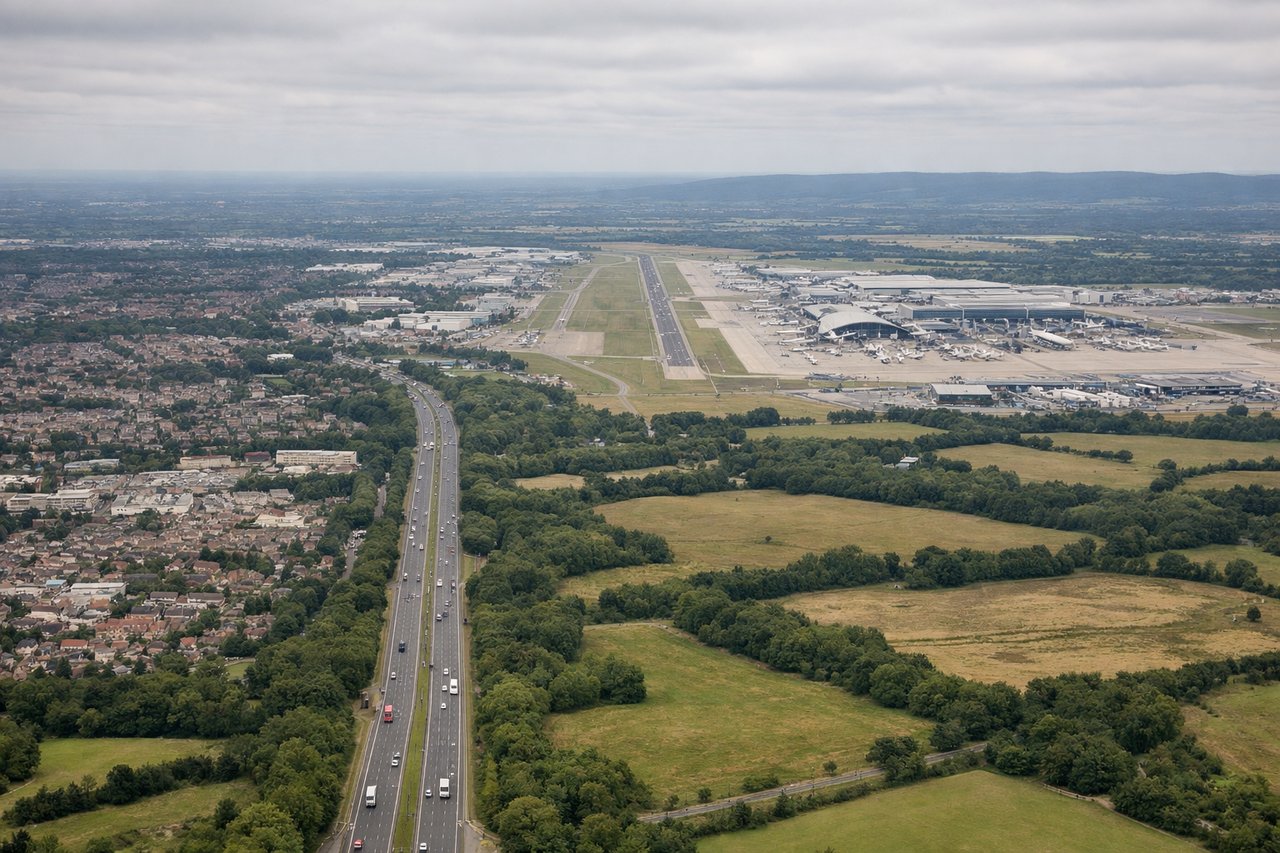
Landing at LGW
LEFTGatwick's westbound landings on runway 26 bring aircraft in from the east, turning onto final over Sussex. The South Downs' chalk ridge and hints of the coast toward Brighton pass on the left, while the right side shows flatter suburban terrain toward London.
Landmarks on this routeAll landmarks →
Will your flight be in sunlight?
See exactly which side of the plane gets sun and shade at your departure time.
About This Route
Which side of the plane should I sit on flying from Souda (CHQ) to Gatwick (LGW)?
Sit on the Right side of the plane for the best views on flights from Chania to London. While the left side wins the shorter takeoff and landing segments, the right side dominates the long cruise phase, where the flight path crosses the Adriatic, skirts the Balkan coastline, and passes close to the southern Alps and Dolomites in northern Italy — the most dramatic scenery of the entire route.
What can I see during takeoff from Souda in Chania?
During takeoff from Souda (CHQ), sit on the Left side for the best views. Departing runway 29, the aircraft climbs out over Souda Bay and the Cretan Sea before banking onto its northwesterly track. That bank exposes the White Mountains and Crete's rugged southern coast on the left, while the right side looks out mostly over open water. Notable sights include: White Mountains (Lefka Ori), Souda Bay, Akrotiri Peninsula coastline, Cretan Sea.
What can I see when landing at Gatwick in London?
When landing at Gatwick (LGW), sit on the Left side for the best views. Gatwick's westbound landings on runway 26 bring aircraft in from the east, turning onto final over Sussex. The South Downs' chalk ridge and hints of the coast toward Brighton pass on the left, while the right side shows flatter suburban terrain toward London. Notable sights include: South Downs ridge, Sussex farmland patchwork, distant coastline near Brighton, Adur/Arun river valleys.
How long is the flight from Chania to London?
The flight from Souda (CHQ) to Gatwick (LGW) takes 3h 45m.
What does the Chania to London flight path pass over?
Adriatic Sea crossing between Greece and Italy, the Apennine Mountains and Po Valley of northern Italy, and the southern edge of the Alps (Dolomites/western Alps) before the route continues over France toward the English Channel