The Lefka Ori on approach into Chania is one of the most dramatic mountain views available on any short-haul European route — bare limestone peaks rising directly from the sea. The left seat also captures the Alps crossing over France and Switzerland in the cruise, whereas the right side at takeoff from Gatwick offers pleasant but relatively modest Surrey countryside.
Flight Path
The route tracks southeast across France, crossing the Alps near Mont Blanc or the western Swiss Alps depending on routing — visible as a vast snowfield and peak complex from cruise altitude. The aircraft then crosses northern Italy, the Adriatic Sea, and the western coast of Greece near Preveza before crossing the Ionian Sea and descending toward Crete. The Peloponnese peninsula may be visible to the left on descent.
Great circle distance and headings ›.jpeg?width=600)


.jpg?width=600)


Phase by phase
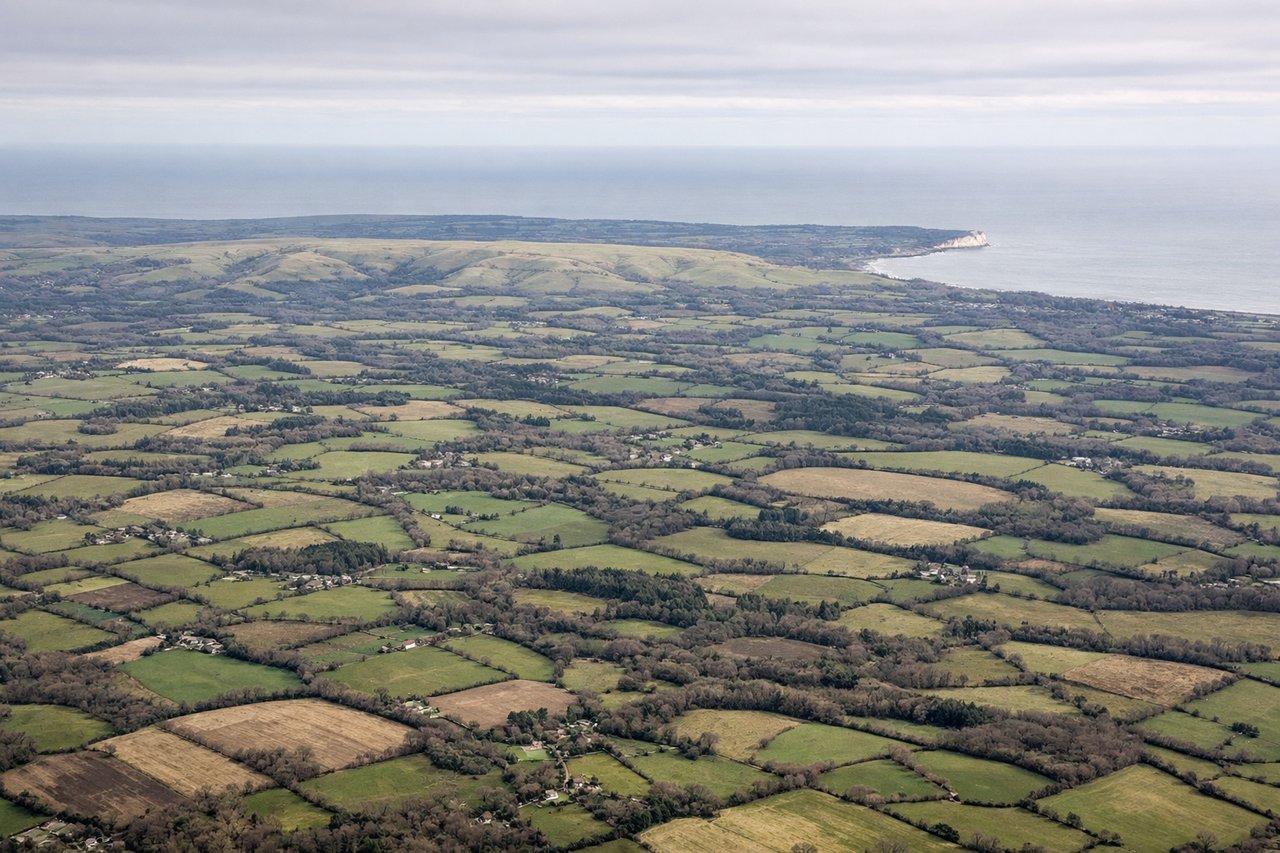
Takeoff from LGW
RIGHTGatwick's main runway 08R/26L means westbound departures head east then turn south. On a southeasterly departure track, the right side gives views over the Surrey Hills and the North Downs before the aircraft banks toward the Channel. Left side faces northwest toward Crawley and suburban sprawl.
Landing at CHQ
LEFTChania airport runway 29 is the dominant arrival direction, meaning aircraft approach from the east over the sea and land heading west. The left side faces south toward the White Mountains (Lefka Ori), the most dramatic terrain on Crete, while the right side looks north over Souda Bay and the open Mediterranean.
Landmarks on this routeAll landmarks →
Will your flight be in sunlight?
See exactly which side of the plane gets sun and shade at your departure time.
About This Route
Which side of the plane should I sit on flying from Gatwick (LGW) to Souda (CHQ)?
Sit on the Left side of the plane for the best views on flights from London to Chania. The Lefka Ori on approach into Chania is one of the most dramatic mountain views available on any short-haul European route — bare limestone peaks rising directly from the sea. The left seat also captures the Alps crossing over France and Switzerland in the cruise, whereas the right side at takeoff from Gatwick offers pleasant but relatively modest Surrey countryside.
What can I see during takeoff from Gatwick in London?
During takeoff from Gatwick (LGW), sit on the Right side for the best views. Gatwick's main runway 08R/26L means westbound departures head east then turn south. On a southeasterly departure track, the right side gives views over the Surrey Hills and the North Downs before the aircraft banks toward the Channel. Left side faces northwest toward Crawley and suburban sprawl. Notable sights include: Surrey Hills AONB, the North Downs ridge, Ashdown Forest to the southeast, the English Channel coastline near Eastbourne.
What can I see when landing at Souda in Chania?
When landing at Souda (CHQ), sit on the Left side for the best views. Chania airport runway 29 is the dominant arrival direction, meaning aircraft approach from the east over the sea and land heading west. The left side faces south toward the White Mountains (Lefka Ori), the most dramatic terrain on Crete, while the right side looks north over Souda Bay and the open Mediterranean. Notable sights include: Lefka Ori (White Mountains) massif with peaks above 2,400m, Souda Bay naval anchorage, the old Venetian harbour of Chania town, the Akrotiri peninsula.
How long is the flight from London to Chania?
The flight from Gatwick (LGW) to Souda (CHQ) takes Approximately 3 hours 30 minutes to 3 hours 45 minutes.
What does the London to Chania flight path pass over?
The route tracks southeast across France, crossing the Alps near Mont Blanc or the western Swiss Alps depending on routing — visible as a vast snowfield and peak complex from cruise altitude. The aircraft then crosses northern Italy, the Adriatic Sea, and the western coast of Greece near Preveza before crossing the Ionian Sea and descending toward Crete. The Peloponnese peninsula may be visible to the left on descent.