While takeoff is fairly flat and similar on both sides, the left side wins overall thanks to the scenic Puerto Rico coastal approach into SJU, with Old San Juan, El Morro, and the bay clearly visible — far more dramatic than the open-ocean cruise or flat Carolina departure.
Flown CLT to SJU? Did we get it right?
Flight Path
Charlotte to San Juan is 1,477 miles (2,376 km), a flight of about 2 hours 55 minutes.
Open Atlantic Ocean, passing east of the Bahamas and near the Turks and Caicos Islands before making landfall on Puerto Rico's north coast
Great circle distance and headings ›Phase by phase
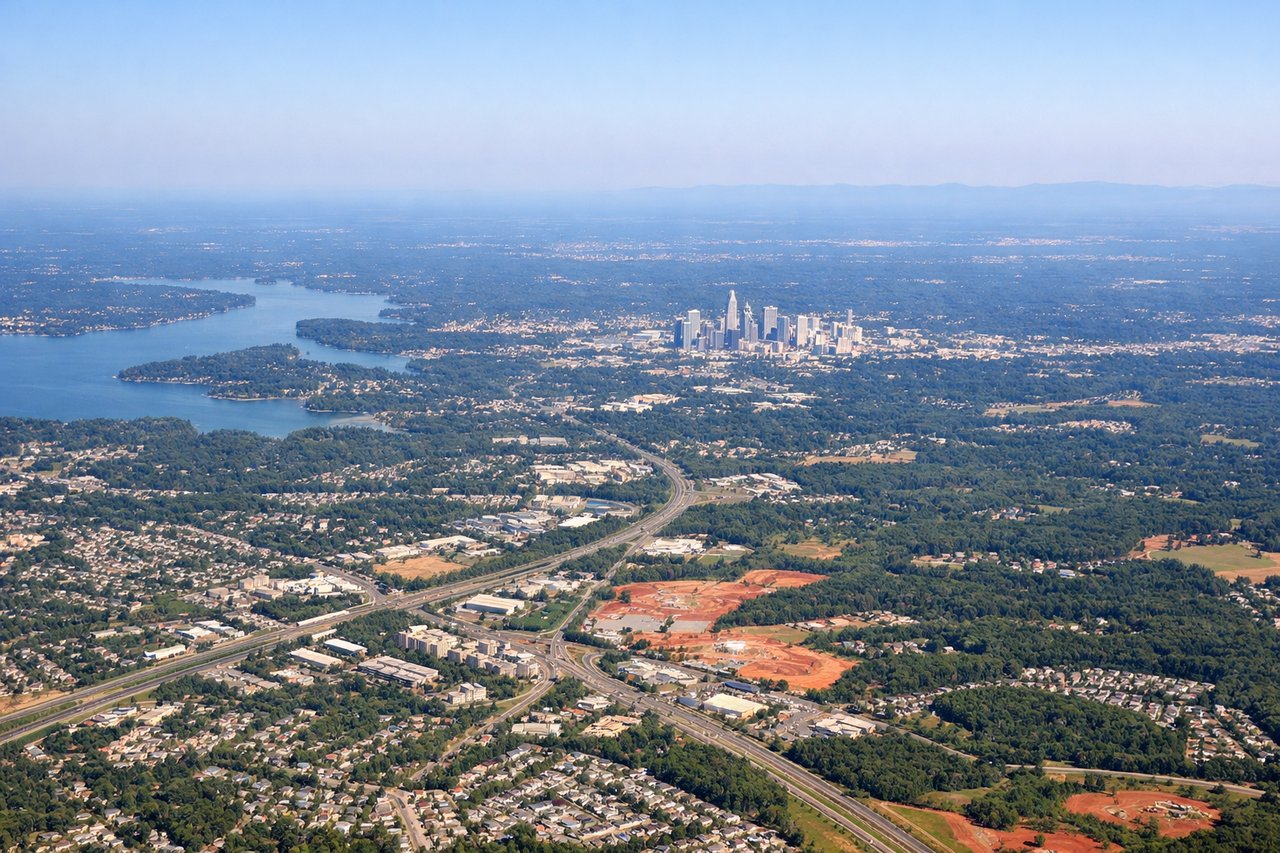
Takeoff from CLT
RIGHTDeparting CLT to the south before turning southeast, the right side offers a brief glimpse of Charlotte's skyline and the rolling Piedmont countryside before the plane heads out over flatter coastal plain terrain toward the Atlantic.
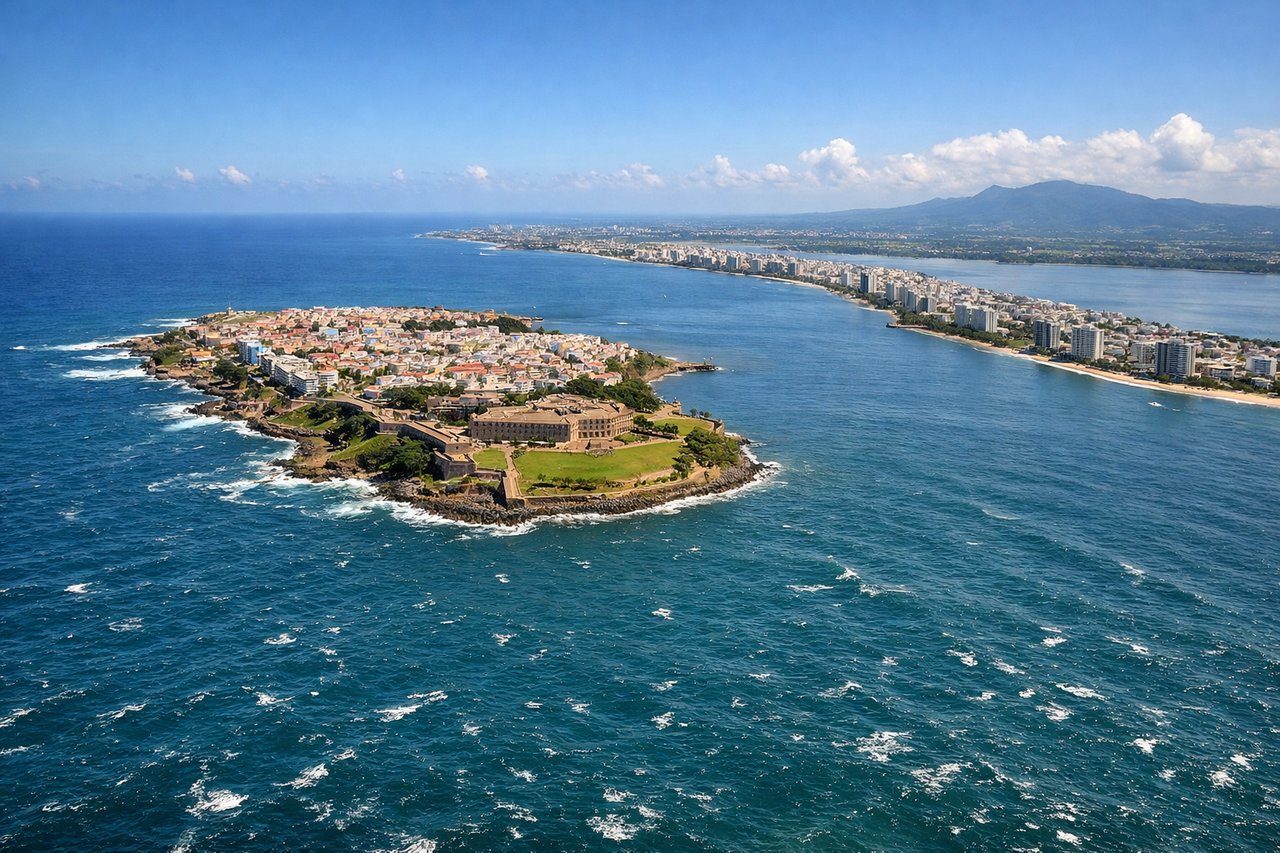
Landing at SJU
LEFTOn approach to SJU's runway 08 from the west, the aircraft tracks along Puerto Rico's north coast, giving left-side passengers a sweeping view of San Juan Bay, the fortified walls of Old San Juan, and the Condado skyline before touchdown.
Will your flight be in sunlight?
Pick a date and time in the Sun Map to watch the sun move across your whole flight.
About This Route
Which side of the plane should I sit on flying from Charlotte Douglas International (CLT) to Luis Munoz Marin International (SJU)?
Sit on the Left side of the plane for the best views on flights from Charlotte to San Juan. While takeoff is fairly flat and similar on both sides, the left side wins overall thanks to the scenic Puerto Rico coastal approach into SJU, with Old San Juan, El Morro, and the bay clearly visible — far more dramatic than the open-ocean cruise or flat Carolina departure.
What can I see during takeoff from Charlotte Douglas International in Charlotte?
During takeoff from Charlotte Douglas International (CLT), sit on the Right side for the best views. Departing CLT to the south before turning southeast, the right side offers a brief glimpse of Charlotte's skyline and the rolling Piedmont countryside before the plane heads out over flatter coastal plain terrain toward the Atlantic. Notable sights include: Charlotte skyline, Piedmont farmland, Catawba River tributaries.
What can I see when landing at Luis Munoz Marin International in San Juan?
When landing at Luis Munoz Marin International (SJU), sit on the Left side for the best views. On approach to SJU's runway 08 from the west, the aircraft tracks along Puerto Rico's north coast, giving left-side passengers a sweeping view of San Juan Bay, the fortified walls of Old San Juan, and the Condado skyline before touchdown. Notable sights include: El Morro fortress, Old San Juan, San Juan Bay, Condado beachfront skyline.
How long is the flight from Charlotte to San Juan?
The flight from Charlotte Douglas International (CLT) to Luis Munoz Marin International (SJU) takes about 2 hours 55 minutes. The shortest flight path between them is 1,477 miles (2,376 km); winds and air traffic control usually add a few percent.
What does the Charlotte to San Juan flight path pass over?
Open Atlantic Ocean, passing east of the Bahamas and near the Turks and Caicos Islands before making landfall on Puerto Rico's north coast