Belo Horizonte to Miami is 3,974 miles (6,396 km), a flight of about 8 hours.
While takeoff offers highland scenery, the landing approach into Miami provides more dramatic and visually distinctive features—the Everglades, Florida Bay, and the Keys are far more striking from the window than the departure views from Belo Horizonte.
Flight Path
The flight path crosses the Caribbean Sea and passes over or near the Bahamas archipelago. From cruise altitude, the shallow turquoise waters around the Bahamas banks are visible, with the deeper blue of the Atlantic Ocean to the east and the darker waters of the Caribbean to the south. The Yucatan Peninsula's northern coast may be visible to the west depending on exact routing. No major mountain ranges or significant inland features are visible during the oceanic midpoint of the journey.
Great circle distance and headings ›Phase by phase
Takeoff from CNF
RIGHTRight-side seats offer views of the Serra da Moeda and the broader Atlantic-facing slopes of the Brazilian highlands as the aircraft climbs northeastward out of Belo Horizonte. The terrain drops away dramatically to the east, revealing the transition from plateau to coastal lowlands.
Landing at MIA
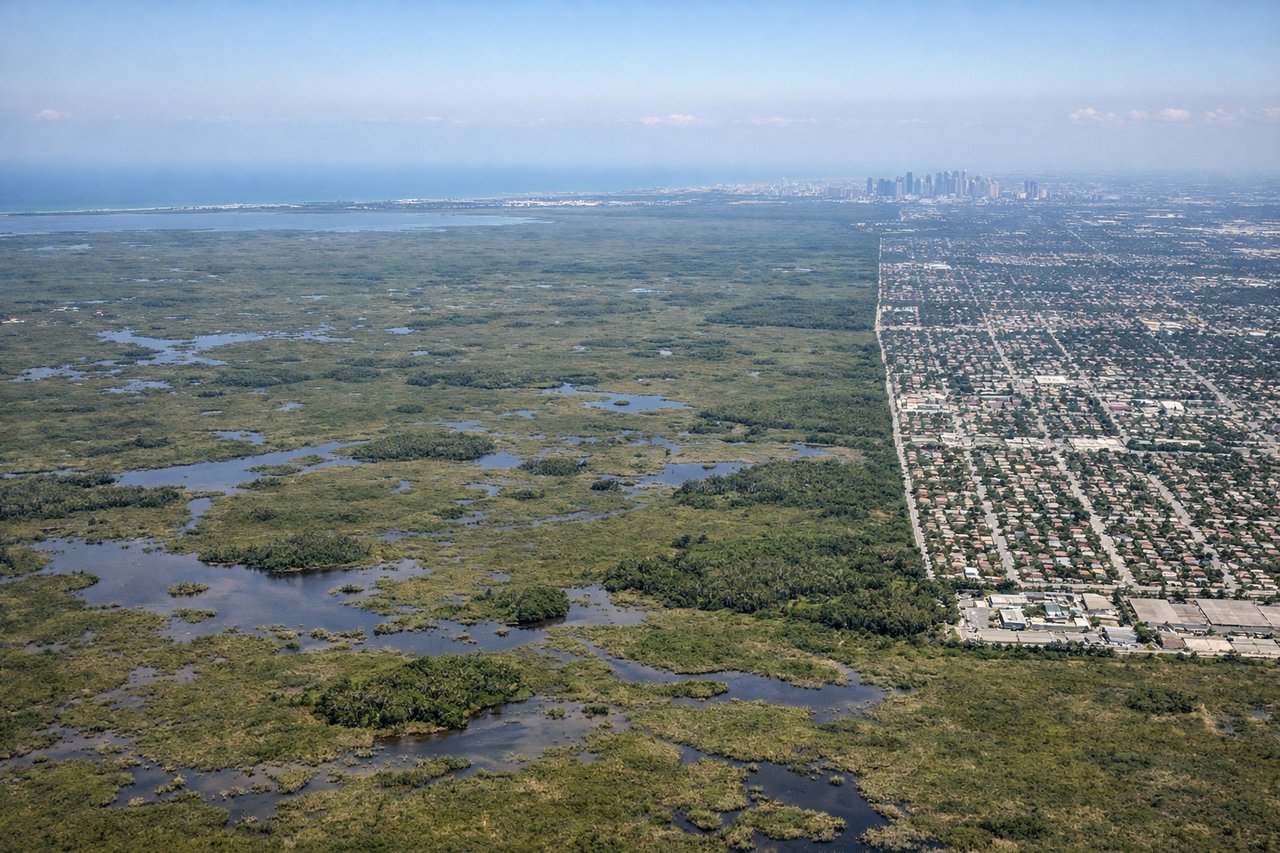
LEFTLeft-side seats provide excellent views during the descent approach into Miami, including the Everglades wetlands, Florida Bay, and the Florida Keys archipelago stretching southwest. The contrast between dark mangrove forests and shallow turquoise water is striking from altitude.
Landmarks on this routeAll landmarks →
Will your flight be in sunlight?
Pick a date and time in the Sun Map to watch the sun move across your whole flight.
About This Route
Which side of the plane should I sit on flying from Tancredo Neves (CNF) to Miami International (MIA)?
Sit on the Left side of the plane for the best views on flights from Belo Horizonte to Miami. While takeoff offers highland scenery, the landing approach into Miami provides more dramatic and visually distinctive features—the Everglades, Florida Bay, and the Keys are far more striking from the window than the departure views from Belo Horizonte.
What can I see during takeoff from Tancredo Neves in Belo Horizonte?
During takeoff from Tancredo Neves (CNF), sit on the Right side for the best views. Right-side seats offer views of the Serra da Moeda and the broader Atlantic-facing slopes of the Brazilian highlands as the aircraft climbs northeastward out of Belo Horizonte. The terrain drops away dramatically to the east, revealing the transition from plateau to coastal lowlands. Notable sights include: Serra da Moeda (iron-rich ridge to the southeast), Pampulha Lagoon (artificial reservoir visible near the airport), Atlantic-facing escarpment of the Brazilian Shield, Rio das Velhas valley system.
What can I see when landing at Miami International in Miami?
When landing at Miami International (MIA), sit on the Left side for the best views. Left-side seats provide excellent views during the descent approach into Miami, including the Everglades wetlands, Florida Bay, and the Florida Keys archipelago stretching southwest. The contrast between dark mangrove forests and shallow turquoise water is striking from altitude. Notable sights include: Everglades wetlands (vast dark-green sawgrass marshes), Florida Bay (shallow turquoise water with visible sandbars), Florida Keys (linear chain of small islands extending southwest), Biscayne Bay (deeper blue water east of Miami).
How long is the flight from Belo Horizonte to Miami?
The flight from Tancredo Neves (CNF) to Miami International (MIA) takes about 8 hours. The shortest flight path between them is 3,974 miles (6,396 km); winds and air traffic control usually add a few percent.
What does the Belo Horizonte to Miami flight path pass over?
The flight path crosses the Caribbean Sea and passes over or near the Bahamas archipelago. From cruise altitude, the shallow turquoise waters around the Bahamas banks are visible, with the deeper blue of the Atlantic Ocean to the east and the darker waters of the Caribbean to the south. The Yucatan Peninsula's northern coast may be visible to the west depending on exact routing. No major mountain ranges or significant inland features are visible during the oceanic midpoint of the journey.