Miami to Belo Horizonte is 3,974 miles (6,396 km), a flight of about 8 hours 30 minutes.
The right side delivers the spectacular Miami Beach and Biscayne Bay departure, and during the flight the route tracks southeast over the Caribbean, giving right-side passengers views of Cuba's northern coast and later the Venezuelan coastline. The left side landing view at CNF is strong but the takeoff and overwater scenery tips the balance to the right.
Flight Path
The route crosses Cuba's northern coast near Havana, then tracks over the Caribbean Sea passing east of Jamaica and Haiti. It crosses the northeastern tip of Venezuela near Caracas and the coastal Cordillera range, then enters the vast Brazilian interior over the cerrado plateau of Minas Gerais state before descending into the Belo Horizonte basin.
Great circle distance and headings ›Phase by phase
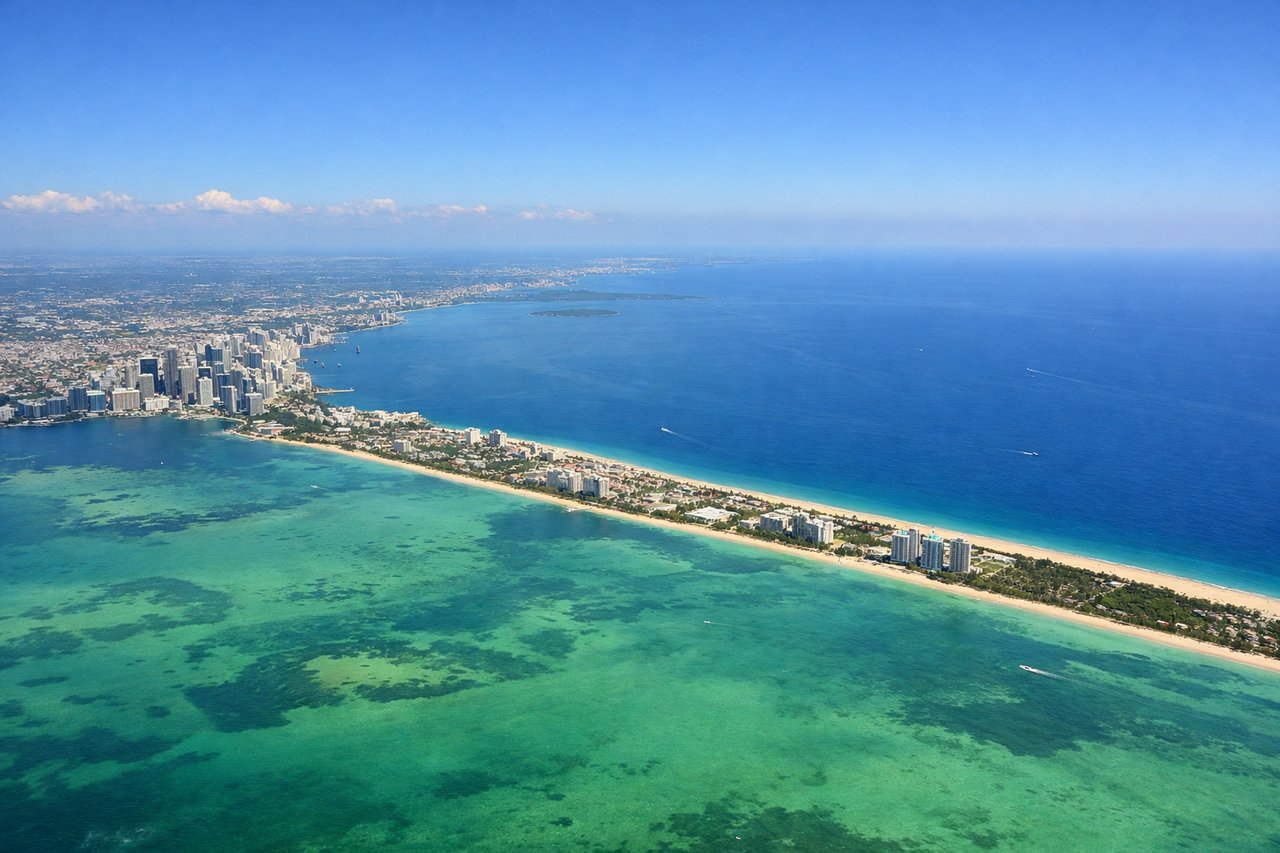
Takeoff from MIA
RIGHTMIA typically departs east on runway 08R/09, then turns south over Biscayne Bay. The right side gives you the Miami Beach barrier island, the causeway grid, and the open Atlantic. Left side faces inland toward the Everglades flatlands.
Landing at CNF
LEFTCNF sits in a valley in the Serra do Espinhaco foothills, and aircraft typically approach from the north or east on runway 16. The left side faces west toward the Serra da Canastra highlands and gives a broader view of the mountainous terrain surrounding Belo Horizonte. The right side looks toward lower, less dramatic terrain to the east.
Landmarks on this routeAll landmarks →
Will your flight be in sunlight?
Pick a date and time in the Sun Map to watch the sun move across your whole flight.
About This Route
Which side of the plane should I sit on flying from Miami International (MIA) to Tancredo Neves (CNF)?
Sit on the Right side of the plane for the best views on flights from Miami to Belo Horizonte. The right side delivers the spectacular Miami Beach and Biscayne Bay departure, and during the flight the route tracks southeast over the Caribbean, giving right-side passengers views of Cuba's northern coast and later the Venezuelan coastline. The left side landing view at CNF is strong but the takeoff and overwater scenery tips the balance to the right.
What can I see during takeoff from Miami International in Miami?
During takeoff from Miami International (MIA), sit on the Right side for the best views. MIA typically departs east on runway 08R/09, then turns south over Biscayne Bay. The right side gives you the Miami Beach barrier island, the causeway grid, and the open Atlantic. Left side faces inland toward the Everglades flatlands. Notable sights include: Biscayne Bay, Miami Beach and South Beach peninsula, Port of Miami cruise terminals, Virginia Key and Key Biscayne.
What can I see when landing at Tancredo Neves in Belo Horizonte?
When landing at Tancredo Neves (CNF), sit on the Left side for the best views. CNF sits in a valley in the Serra do Espinhaco foothills, and aircraft typically approach from the north or east on runway 16. The left side faces west toward the Serra da Canastra highlands and gives a broader view of the mountainous terrain surrounding Belo Horizonte. The right side looks toward lower, less dramatic terrain to the east. Notable sights include: Serra do Espinhaco mountain range, Belo Horizonte urban sprawl in the valley basin, Lagoa Santa reservoir area to the north, Pampulha Lake district on the city's northwest edge.
How long is the flight from Miami to Belo Horizonte?
The flight from Miami International (MIA) to Tancredo Neves (CNF) takes about 8 hours 30 minutes. The shortest flight path between them is 3,974 miles (6,396 km); winds and air traffic control usually add a few percent.
What does the Miami to Belo Horizonte flight path pass over?
The route crosses Cuba's northern coast near Havana, then tracks over the Caribbean Sea passing east of Jamaica and Haiti. It crosses the northeastern tip of Venezuela near Caracas and the coastal Cordillera range, then enters the vast Brazilian interior over the cerrado plateau of Minas Gerais state before descending into the Belo Horizonte basin.