Copenhagen to London is 609 miles (979 km), a flight of about 2 hours 10 minutes.
The left seat wins at takeoff with the Øresund Bridge view, but the right seat delivers the more sustained and dramatic experience — crossing the North Sea, the Dutch and Belgian coasts appear on the right side, and the London approach from the east on runway 27 gives the right seat a prolonged view over the Thames and central London skyline during descent.
Flight Path
The route tracks southwest across the North Sea, passing south of the Danish coast near Esbjerg, then over the southern North Sea. The Dutch coast near Den Haag or Rotterdam may be visible depending on exact routing, followed by crossing into Belgian or Dutch airspace. The English coast is crossed somewhere near the Thames Estuary or East Anglia. The North Sea itself is the dominant midpoint feature — largely featureless open water with occasional offshore wind farm arrays visible as tiny white dot clusters at lower altitudes.
Great circle distance and headings ›Phase by phase
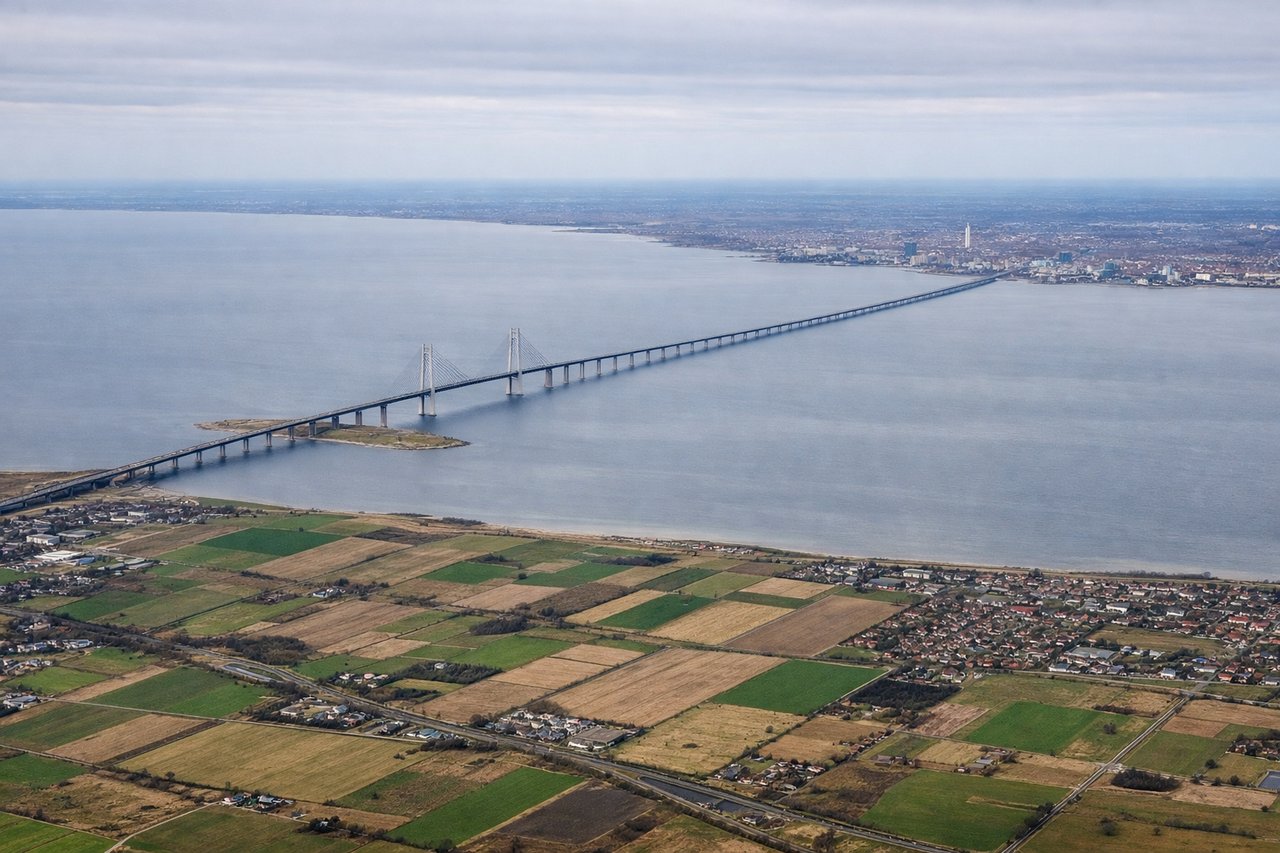
Takeoff from CPH
LEFTCPH typically departs on runway 22L/22R heading southwest, which puts the left side facing southeast over the Øresund strait and the Øresund Bridge connecting Denmark to Sweden. You get a clear view of the bridge and the Swedish coastline around Malmö before the aircraft turns west.
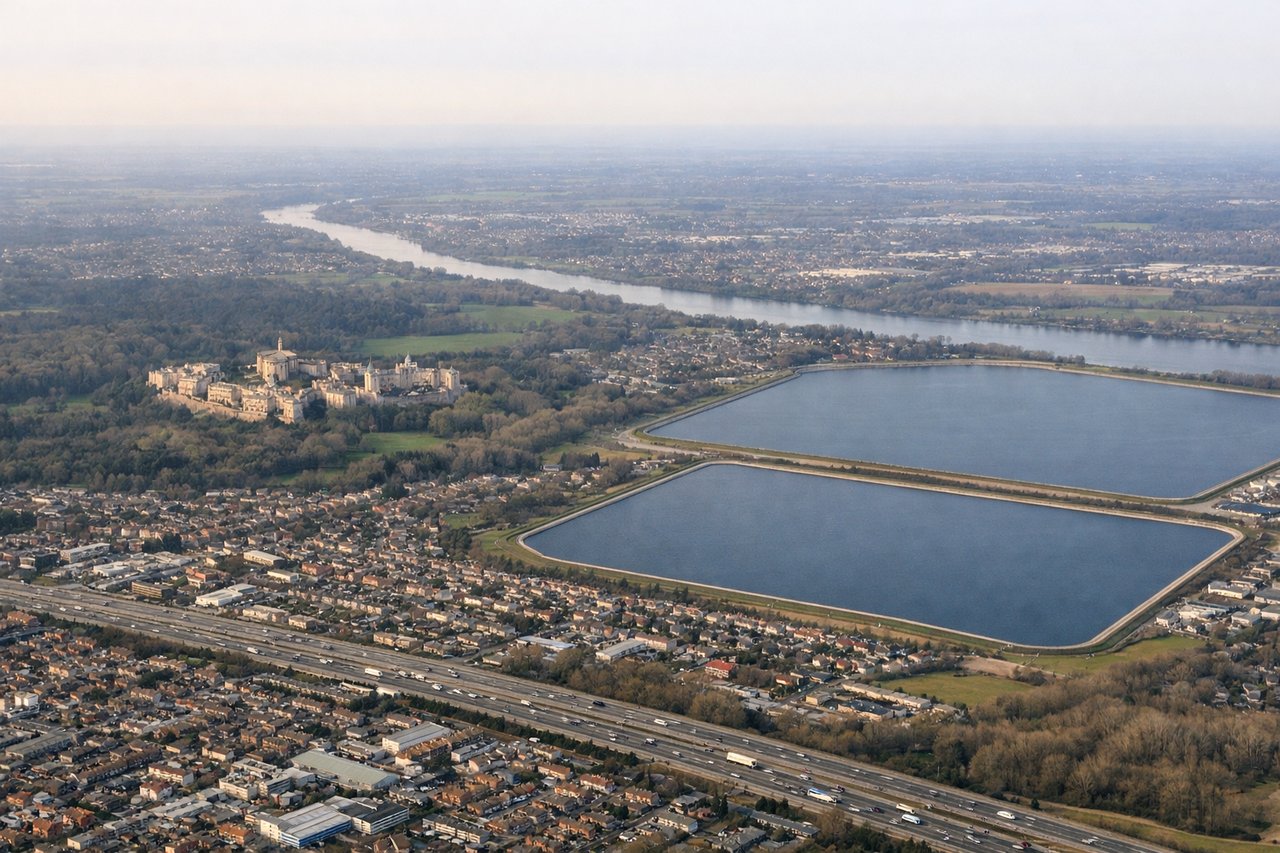
Landing at LHR
RIGHTHeathrow most commonly lands on runway 27L or 27R, approaching from the east over London. The right side faces south, giving views over central London including the Thames, the City, and Canary Wharf as the aircraft descends over the eastern suburbs.
Landmarks on this routeAll landmarks →
Will your flight be in sunlight?
Pick a date and time in the Sun Map to watch the sun move across your whole flight.
About This Route
Which side of the plane should I sit on flying from Kastrup (CPH) to Heathrow (LHR)?
Sit on the Right side of the plane for the best views on flights from Copenhagen to London. The left seat wins at takeoff with the Øresund Bridge view, but the right seat delivers the more sustained and dramatic experience — crossing the North Sea, the Dutch and Belgian coasts appear on the right side, and the London approach from the east on runway 27 gives the right seat a prolonged view over the Thames and central London skyline during descent.
What can I see during takeoff from Kastrup in Copenhagen?
During takeoff from Kastrup (CPH), sit on the Left side for the best views. CPH typically departs on runway 22L/22R heading southwest, which puts the left side facing southeast over the Øresund strait and the Øresund Bridge connecting Denmark to Sweden. You get a clear view of the bridge and the Swedish coastline around Malmö before the aircraft turns west. Notable sights include: Øresund Bridge, Malmö city waterfront, Amager Fælled wetlands, Copenhagen city centre across the water.
What can I see when landing at Heathrow in London?
When landing at Heathrow (LHR), sit on the Right side for the best views. Heathrow most commonly lands on runway 27L or 27R, approaching from the east over London. The right side faces south, giving views over central London including the Thames, the City, and Canary Wharf as the aircraft descends over the eastern suburbs. Notable sights include: River Thames bends through central London, Canary Wharf tower cluster, The City of London, Windsor Castle and Windsor Great Park to the west on final approach.
How long is the flight from Copenhagen to London?
The flight from Kastrup (CPH) to Heathrow (LHR) takes about 2 hours 10 minutes. The shortest flight path between them is 609 miles (979 km); winds and air traffic control usually add a few percent.
What does the Copenhagen to London flight path pass over?
The route tracks southwest across the North Sea, passing south of the Danish coast near Esbjerg, then over the southern North Sea. The Dutch coast near Den Haag or Rotterdam may be visible depending on exact routing, followed by crossing into Belgian or Dutch airspace. The English coast is crossed somewhere near the Thames Estuary or East Anglia. The North Sea itself is the dominant midpoint feature — largely featureless open water with occasional offshore wind farm arrays visible as tiny white dot clusters at lower altitudes.