The right side captures the most dramatic geography: the Yamuna and Delhi's landscape during departure, and the approach to Mexico City's volcanic peaks and valley during descent. The left side offers good landing views but less distinctive departure scenery.
Flown DEL to MEX? Did we get it right?
Flight Path
Delhi to Mexico City is 9,111 miles (14,663 km), a flight of about 16 hours.
This route typically crosses the Arabian Peninsula (Rub' al Khali desert visible as vast tan expanse), the Persian Gulf, Iraq's Tigris-Euphrates valley, the Mediterranean coast, and the Atlantic Ocean. Depending on routing, passengers may see the Zagros Mountains (Iran), the Taurus Mountains (Turkey), the Atlas Mountains (North Africa), and the Sahara Desert. The Atlantic crossing offers open ocean views for several hours. Approach to Mexico involves the Sierra Madre mountain ranges and the Mexican plateau before descending into the Valley of Mexico.
Great circle distance and headings ›


Phase by phase
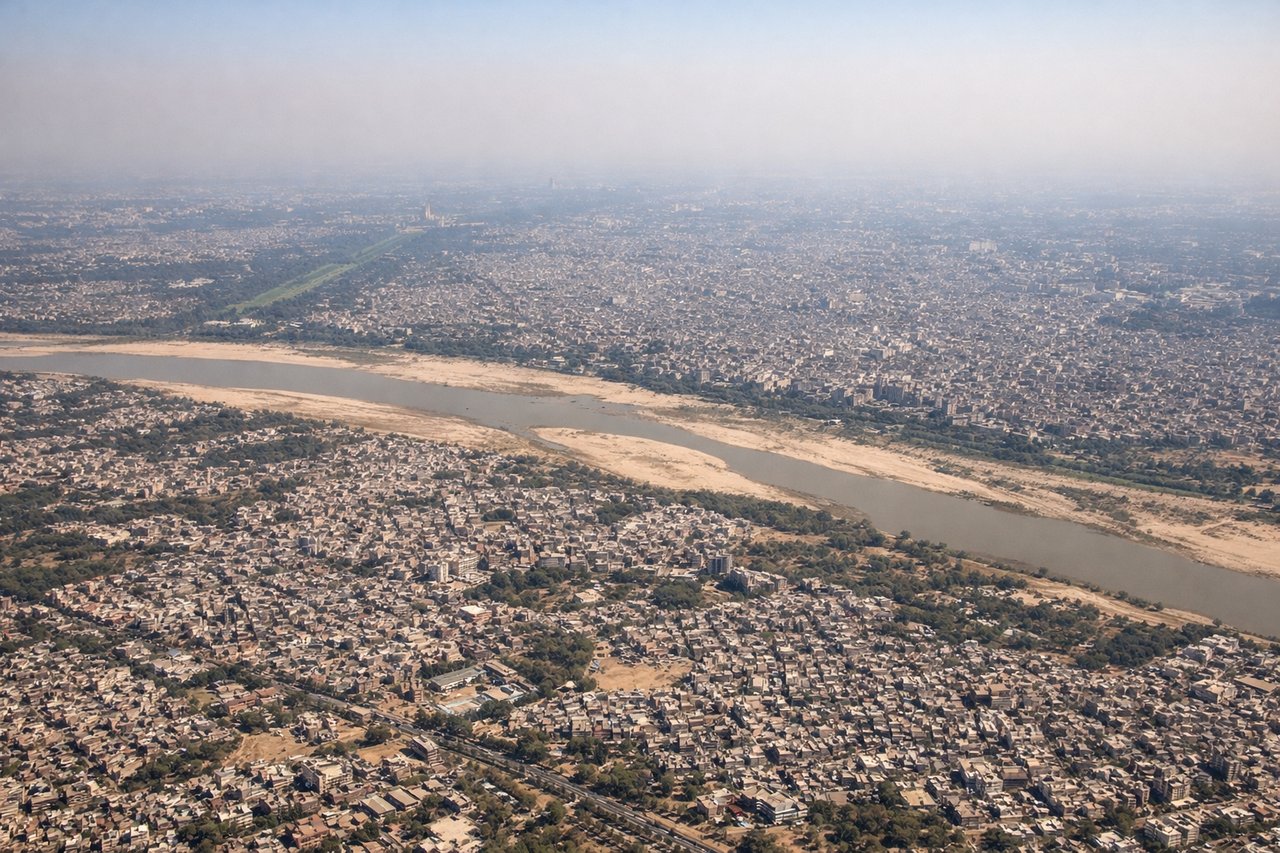
Takeoff from DEL
RIGHTRight-side seats offer views of the Yamuna River and Delhi's urban sprawl as the aircraft climbs northwestward. The river's distinctive curves and the contrast between developed areas and surrounding plains are clearly visible during the initial climb.
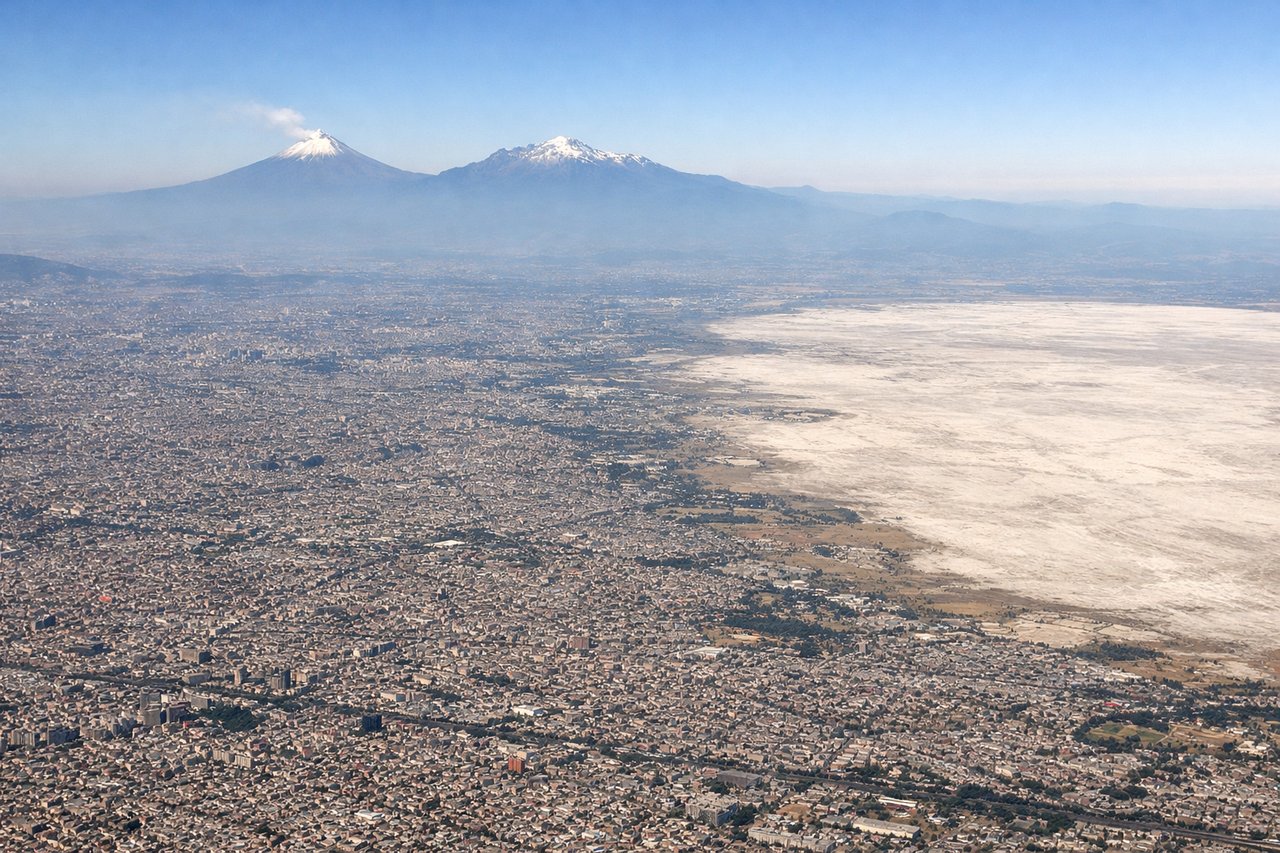
Landing at MEX
LEFTLeft-side seats provide excellent views of Mexico City's approach from the east. The Valley of Mexico, the city's sprawling urban expanse, and the surrounding volcanic peaks (Popocatépetl and Iztaccíhuatl) become visible during descent, with the city's grid pattern and major landmarks like Chapultepec Park visible.
Will your flight be in sunlight?
Pick a date and time in the Sun Map to watch the sun move across your whole flight.
About This Route
Which side of the plane should I sit on flying from Indira Gandhi International (DEL) to Licenciado Benito Juarez International (MEX)?
Sit on the Right side of the plane for the best views on flights from Delhi to Mexico City. The right side captures the most dramatic geography: the Yamuna and Delhi's landscape during departure, and the approach to Mexico City's volcanic peaks and valley during descent. The left side offers good landing views but less distinctive departure scenery.
What can I see during takeoff from Indira Gandhi International in Delhi?
During takeoff from Indira Gandhi International (DEL), sit on the Right side for the best views. Right-side seats offer views of the Yamuna River and Delhi's urban sprawl as the aircraft climbs northwestward. The river's distinctive curves and the contrast between developed areas and surrounding plains are clearly visible during the initial climb. Notable sights include: Yamuna River, Delhi urban grid, Aravalli Hills (distant southeast), Indo-Gangetic Plain.
What can I see when landing at Licenciado Benito Juarez International in Mexico City?
When landing at Licenciado Benito Juarez International (MEX), sit on the Left side for the best views. Left-side seats provide excellent views of Mexico City's approach from the east. The Valley of Mexico, the city's sprawling urban expanse, and the surrounding volcanic peaks (Popocatépetl and Iztaccíhuatl) become visible during descent, with the city's grid pattern and major landmarks like Chapultepec Park visible. Notable sights include: Valley of Mexico, Mexico City urban grid, Popocatépetl volcano (southeast), Iztaccíhuatl volcano (east).
How long is the flight from Delhi to Mexico City?
The flight from Indira Gandhi International (DEL) to Licenciado Benito Juarez International (MEX) takes about 16 hours. The shortest flight path between them is 9,111 miles (14,663 km); winds and air traffic control usually add a few percent.
What does the Delhi to Mexico City flight path pass over?
This route typically crosses the Arabian Peninsula (Rub' al Khali desert visible as vast tan expanse), the Persian Gulf, Iraq's Tigris-Euphrates valley, the Mediterranean coast, and the Atlantic Ocean. Depending on routing, passengers may see the Zagros Mountains (Iran), the Taurus Mountains (Turkey), the Atlas Mountains (North Africa), and the Sahara Desert. The Atlantic crossing offers open ocean views for several hours. Approach to Mexico involves the Sierra Madre mountain ranges and the Mexican plateau before descending into the Valley of Mexico.