Dallas-Fort Worth to Rome is 5,616 miles (9,037 km), a flight of about 11 hours 30 minutes.
The left side wins overall due to the spectacular Ciampino approach over Rome and the Alban Hills crater lakes. While the right side has the better Dallas departure view, the landing scenery on the left is genuinely world-class and more memorable for the duration of the descent.
Flight Path
The route tracks northeast from DFW across the central US, crossing the Mississippi River valley and the Great Lakes region or southern Ontario, then over the North Atlantic. Mid-ocean the flight passes south of Greenland and Iceland. Approaching Europe, the route crosses over Ireland or southern England, then France, the Alps (visible as a dramatic snow-capped arc from either side depending on exact routing), and finally descends over the Italian peninsula toward Rome.
Great circle distance and headings ›


Phase by phase
Takeoff from DFW
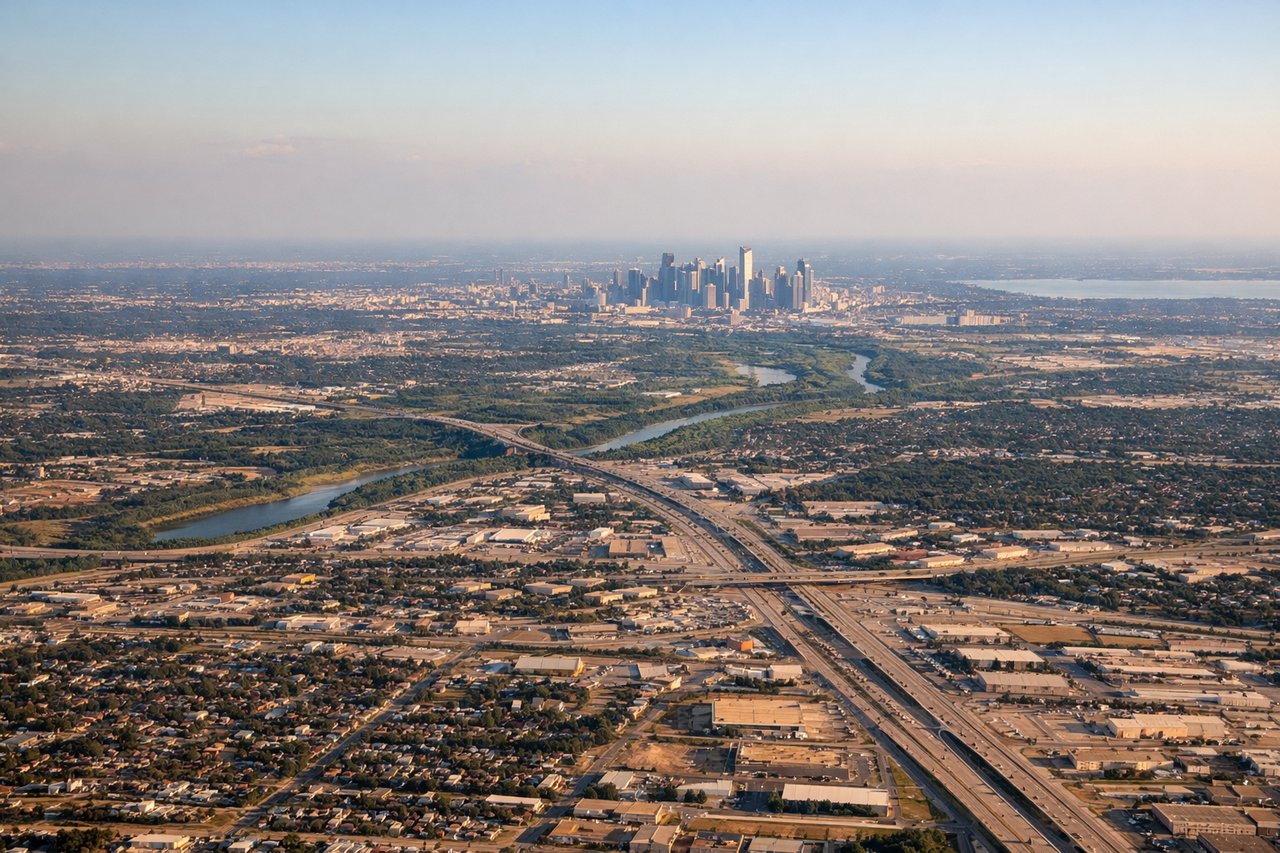
RIGHTDFW departures heading northeast (typical for transatlantic routing) on runways 17L/17R or 18L/18R mean the right side faces east toward downtown Dallas. You get a clear view of the Dallas skyline, White Rock Lake, and the urban sprawl of the Metroplex as you climb out.
Landing at CIA
LEFTCIA (Ciampino) sits southeast of Rome. Aircraft typically approach from the northwest on runway 15, meaning the left side faces northeast toward central Rome, the Tiber River, and the Alban Hills volcanic complex to the southeast. You get a direct view over the historic city center and the distinctive crater lakes of the Castelli Romani.
Landmarks on this routeAll landmarks →
Will your flight be in sunlight?
Pick a date and time in the Sun Map to watch the sun move across your whole flight.
About This Route
Which side of the plane should I sit on flying from Dallas Fort Worth International (DFW) to Ciampino (CIA)?
Sit on the Left side of the plane for the best views on flights from Dallas-Fort Worth to Rome. The left side wins overall due to the spectacular Ciampino approach over Rome and the Alban Hills crater lakes. While the right side has the better Dallas departure view, the landing scenery on the left is genuinely world-class and more memorable for the duration of the descent.
What can I see during takeoff from Dallas Fort Worth International in Dallas-Fort Worth?
During takeoff from Dallas Fort Worth International (DFW), sit on the Right side for the best views. DFW departures heading northeast (typical for transatlantic routing) on runways 17L/17R or 18L/18R mean the right side faces east toward downtown Dallas. You get a clear view of the Dallas skyline, White Rock Lake, and the urban sprawl of the Metroplex as you climb out. Notable sights include: Downtown Dallas skyline, White Rock Lake, Lake Ray Hubbard to the east, the sprawling DFW suburban grid.
What can I see when landing at Ciampino in Rome?
When landing at Ciampino (CIA), sit on the Left side for the best views. CIA (Ciampino) sits southeast of Rome. Aircraft typically approach from the northwest on runway 15, meaning the left side faces northeast toward central Rome, the Tiber River, and the Alban Hills volcanic complex to the southeast. You get a direct view over the historic city center and the distinctive crater lakes of the Castelli Romani. Notable sights include: Central Rome and the Tiber River bends, Lago Albano (volcanic crater lake), Lago di Nemi (smaller crater lake), the Alban Hills (Colli Albani).
How long is the flight from Dallas-Fort Worth to Rome?
The flight from Dallas Fort Worth International (DFW) to Ciampino (CIA) takes about 11 hours 30 minutes. The shortest flight path between them is 5,616 miles (9,037 km); winds and air traffic control usually add a few percent.
What does the Dallas-Fort Worth to Rome flight path pass over?
The route tracks northeast from DFW across the central US, crossing the Mississippi River valley and the Great Lakes region or southern Ontario, then over the North Atlantic. Mid-ocean the flight passes south of Greenland and Iceland. Approaching Europe, the route crosses over Ireland or southern England, then France, the Alps (visible as a dramatic snow-capped arc from either side depending on exact routing), and finally descends over the Italian peninsula toward Rome.