The left side wins on both ends of the flight, with a scenic Doha coastal departure and a Chicago lakefront/skyline arrival, while the right side sees mostly featureless desert on takeoff and flat Midwest farmland on landing.
Flight Path
Eastern Turkey and the Caucasus foothills, the Black Sea, Eastern Europe, the North Atlantic, southern Greenland's icecap and fjords, and the Labrador coast before crossing into Canada and the Great Lakes region
Great circle distance and headings ›


Phase by phase
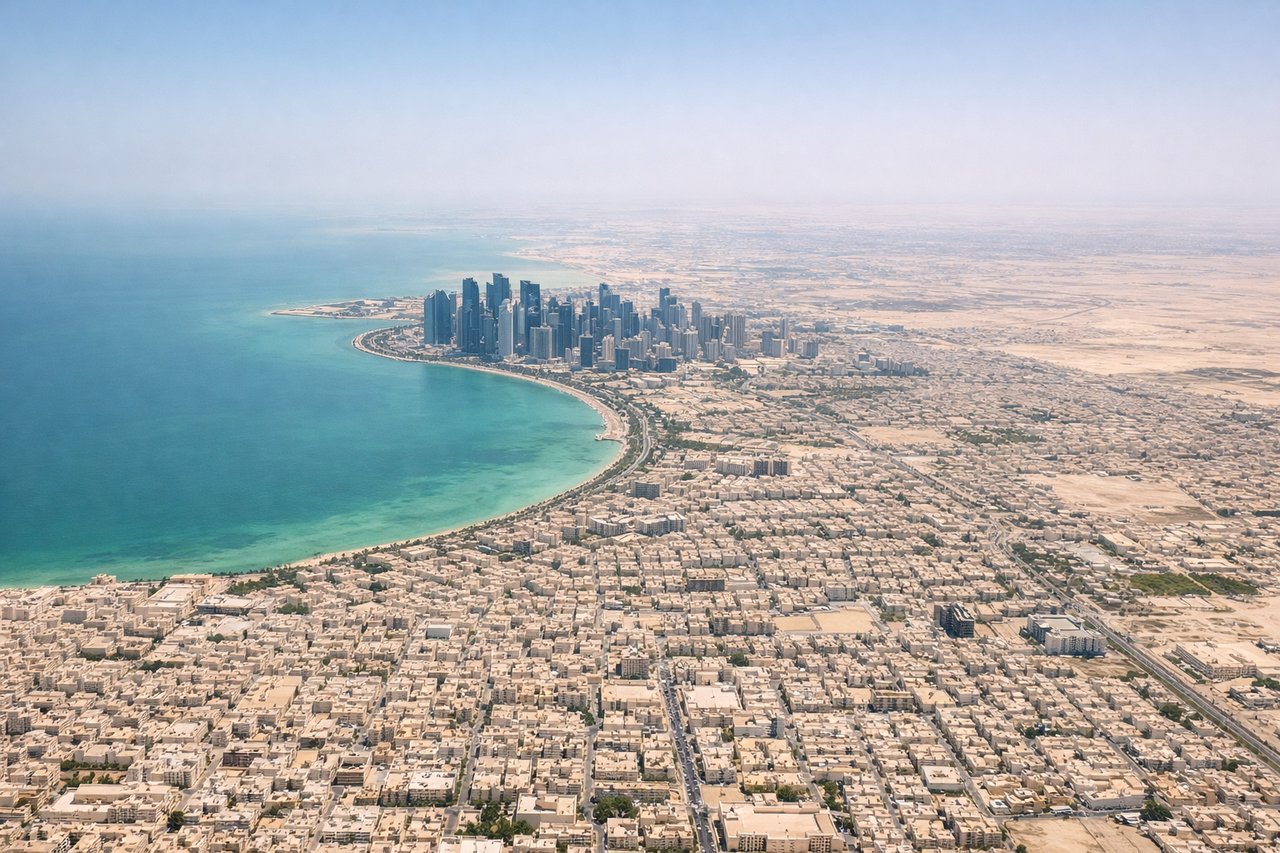
Takeoff from DOH
LEFTDeparting Doha to the northwest, the left side gives good views of the Qatari coastline and the turquoise shallows of the Persian Gulf before the aircraft turns inland over the Arabian desert. The geometric patterns of Doha's West Bay skyline and artificial islands are visible briefly on this side too.
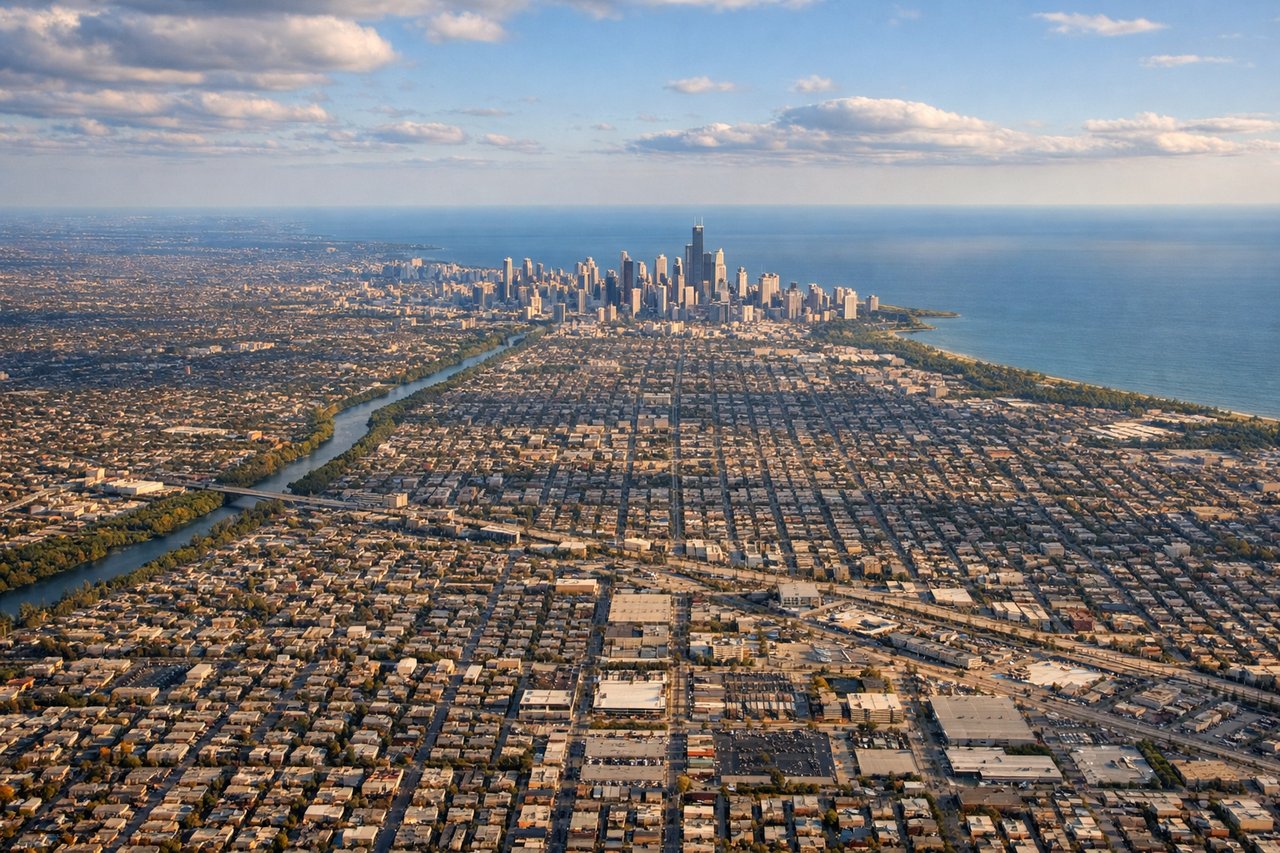
Landing at ORD
LEFTOn approach into O'Hare from the northeast, the left side offers views of Lake Michigan's shoreline and the Chicago skyline including the Loop and lakefront towers before the turn onto final approach. The right side mostly shows flat Illinois farmland and suburban grids.
Landmarks on this routeAll landmarks →
Will your flight be in sunlight?
See exactly which side of the plane gets sun and shade at your departure time.
About This Route
Which side of the plane should I sit on flying from Hamad International Airport (DOH) to Chicago Ohare International (ORD)?
Sit on the Left side of the plane for the best views on flights from Doha to Chicago. The left side wins on both ends of the flight, with a scenic Doha coastal departure and a Chicago lakefront/skyline arrival, while the right side sees mostly featureless desert on takeoff and flat Midwest farmland on landing.
What can I see during takeoff from Hamad International Airport in Doha?
During takeoff from Hamad International Airport (DOH), sit on the Left side for the best views. Departing Doha to the northwest, the left side gives good views of the Qatari coastline and the turquoise shallows of the Persian Gulf before the aircraft turns inland over the Arabian desert. The geometric patterns of Doha's West Bay skyline and artificial islands are visible briefly on this side too. Notable sights include: Doha West Bay skyline, The Pearl-Qatar island, Persian Gulf coastline, Arabian desert interior.
What can I see when landing at Chicago Ohare International in Chicago?
When landing at Chicago Ohare International (ORD), sit on the Left side for the best views. On approach into O'Hare from the northeast, the left side offers views of Lake Michigan's shoreline and the Chicago skyline including the Loop and lakefront towers before the turn onto final approach. The right side mostly shows flat Illinois farmland and suburban grids. Notable sights include: Lake Michigan shoreline, Chicago Loop skyline, Navy Pier, O'Hare airport grounds.
How long is the flight from Doha to Chicago?
The flight from Hamad International Airport (DOH) to Chicago Ohare International (ORD) takes 14h 05m.
What does the Doha to Chicago flight path pass over?
Eastern Turkey and the Caucasus foothills, the Black Sea, Eastern Europe, the North Atlantic, southern Greenland's icecap and fjords, and the Labrador coast before crossing into Canada and the Great Lakes region