Although the Tokyo approach on the left is spectacular, the right side accumulates more scenic variety across the long cruise: Hudson Bay's coastline, Alaska's Denali and the Alaska Range, and the volcanic peaks of the Kamchatka Peninsula all appear on that side as the great-circle route bends westward, giving a richer overall experience than the largely remote or oceanic views on the left for most of the flight.
Flight Path
Hudson Bay and northern Canadian tundra, the Alaska Range including Denali, the Bering Sea, and the volcanic peaks of Russia's Kamchatka Peninsula before descending toward the Sea of Okhotsk and Japan
Great circle distance and headings ›


Phase by phase
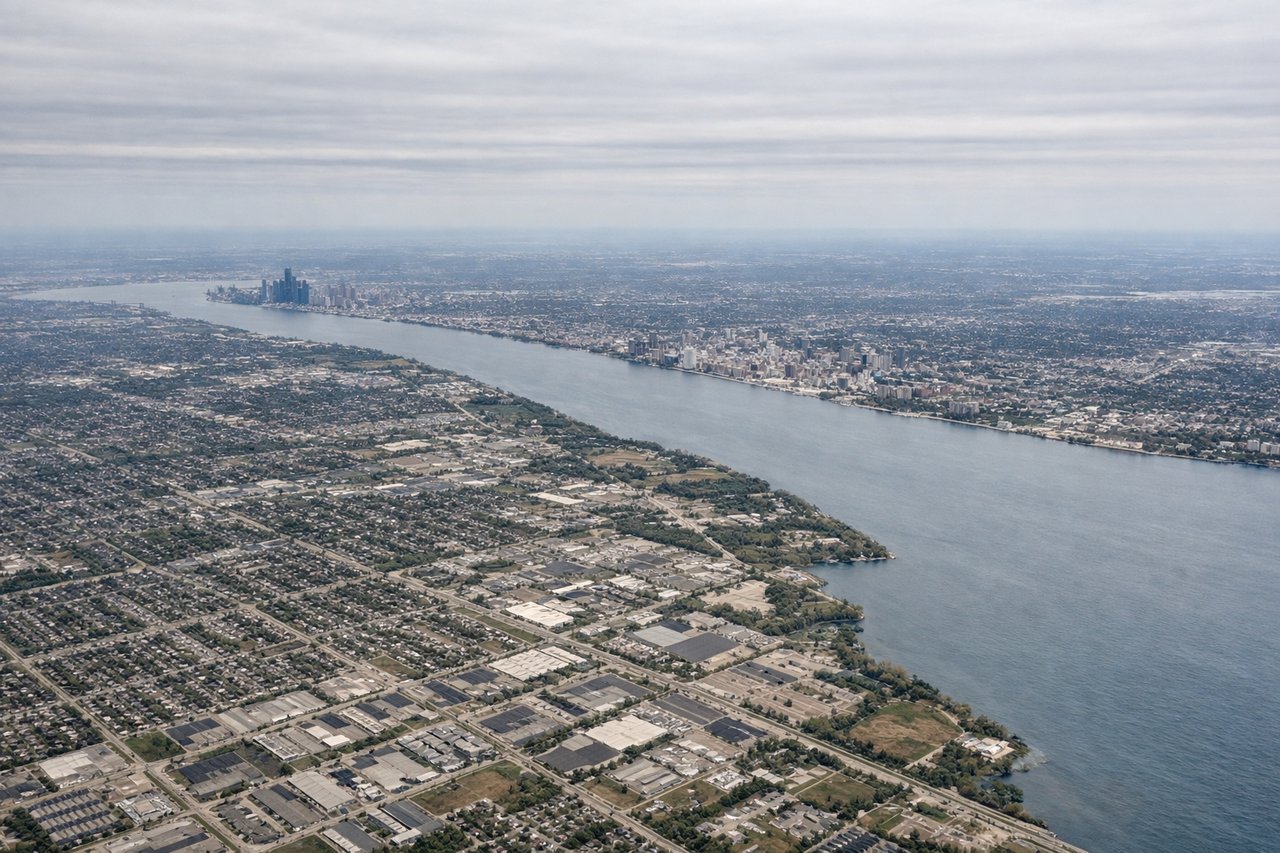
Takeoff from DTW
RIGHTDeparting DTW and turning onto the northwesterly track toward Canada swings the right side of the aircraft over the Detroit River, Lake St. Clair, and the Windsor/Detroit skyline before the climb levels off. The left side mostly shows flat Michigan farmland receding quickly.
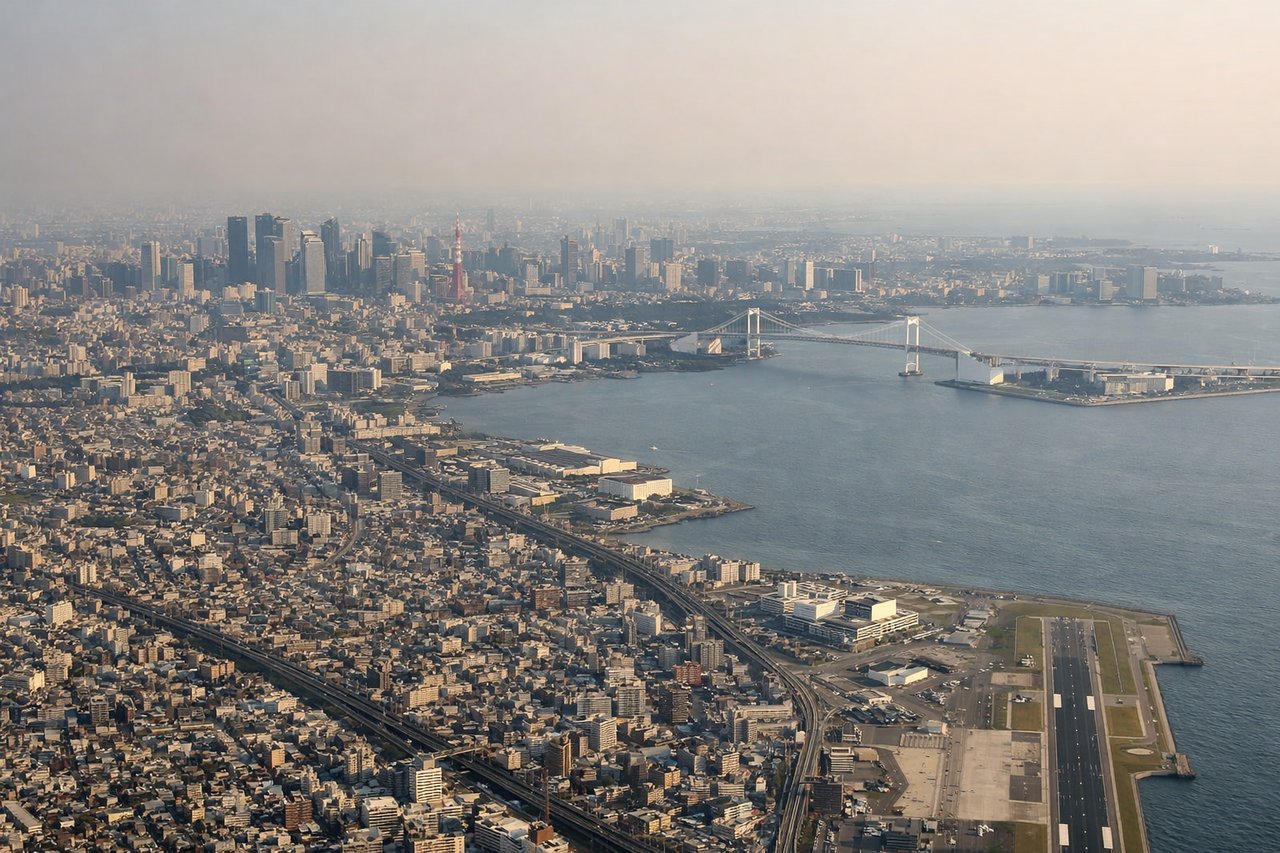
Landing at HND
LEFTOn the descent into Haneda from the north, the final approach over the Kanto Plain and Tokyo Bay puts Mount Fuji's distinctive cone on the southwest horizon on the left side, while the city skyline and bay bridges unfold below. The right side mostly faces open bay water and Chiba's flatter coastline.
Landmarks on this routeAll landmarks →
Will your flight be in sunlight?
See exactly which side of the plane gets sun and shade at your departure time.
About This Route
Which side of the plane should I sit on flying from Detroit Metro Wayne Co (DTW) to Tokyo International (HND)?
Sit on the Right side of the plane for the best views on flights from Detroit to Tokyo. Although the Tokyo approach on the left is spectacular, the right side accumulates more scenic variety across the long cruise: Hudson Bay's coastline, Alaska's Denali and the Alaska Range, and the volcanic peaks of the Kamchatka Peninsula all appear on that side as the great-circle route bends westward, giving a richer overall experience than the largely remote or oceanic views on the left for most of the flight.
What can I see during takeoff from Detroit Metro Wayne Co in Detroit?
During takeoff from Detroit Metro Wayne Co (DTW), sit on the Right side for the best views. Departing DTW and turning onto the northwesterly track toward Canada swings the right side of the aircraft over the Detroit River, Lake St. Clair, and the Windsor/Detroit skyline before the climb levels off. The left side mostly shows flat Michigan farmland receding quickly. Notable sights include: Detroit skyline and Renaissance Center, Detroit River, Lake St. Clair, Windsor, Ontario shoreline.
What can I see when landing at Tokyo International in Tokyo?
When landing at Tokyo International (HND), sit on the Left side for the best views. On the descent into Haneda from the north, the final approach over the Kanto Plain and Tokyo Bay puts Mount Fuji's distinctive cone on the southwest horizon on the left side, while the city skyline and bay bridges unfold below. The right side mostly faces open bay water and Chiba's flatter coastline. Notable sights include: Mount Fuji, Tokyo Bay, Tokyo skyline and Rainbow Bridge, Haneda's artificial runway islands.
How long is the flight from Detroit to Tokyo?
The flight from Detroit Metro Wayne Co (DTW) to Tokyo International (HND) takes 13h 10m.
What does the Detroit to Tokyo flight path pass over?
Hudson Bay and northern Canadian tundra, the Alaska Range including Denali, the Bering Sea, and the volcanic peaks of Russia's Kamchatka Peninsula before descending toward the Sea of Okhotsk and Japan